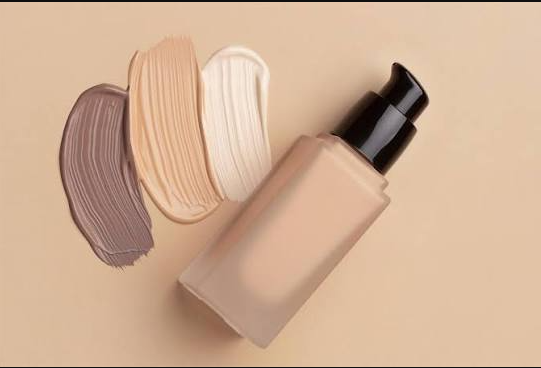
Finding the perfect foundation becomes increasingly important as skin changes with age. Mature skin often develops fine lines, wrinkles, uneven texture, dryness, and age spots that require products designed to enhance natural beauty rather than emphasize imperfections. The right foundation can create a smooth, radiant complexion while providing comfortable, long-lasting coverage.
If you’re wondering how to choose the right foundation for mature skin, this comprehensive guide covers everything you need to know—from selecting the ideal formula and shade to application techniques and common mistakes to avoid.
Understanding Mature Skin
As we age, our skin naturally undergoes several changes that affect how makeup looks and feels.
Common characteristics of mature skin include:
- Fine lines and wrinkles
- Loss of elasticity
- Dry or dehydrated skin
- Uneven skin tone
- Age spots and hyperpigmentation
- Reduced collagen production
- More visible pores
Because of these changes, the foundation you used in your twenties or thirties may no longer provide the best results.
Why Choosing the Right Foundation Matters
The wrong foundation can settle into fine lines, highlight dry patches, or make your skin appear dull and cakey. A well-chosen foundation, however, can:
- Create a smoother complexion
- Add a youthful glow
- Even out skin tone
- Hydrate the skin
- Minimize the appearance of wrinkles
- Provide natural-looking coverage
Selecting the right formula is just as important as choosing the correct shade.
Choose a Hydrating Formula
Hydration is one of the most important factors for mature skin.
Look for foundations labeled as:
- Hydrating
- Moisturizing
- Dewy finish
- Radiant finish
- Serum foundation
These formulas help keep the skin looking fresh and healthy throughout the day.
Ingredients that provide hydration include:
- Hyaluronic acid
- Glycerin
- Squalane
- Ceramides
- Vitamin E
These ingredients help lock in moisture while improving the skin’s appearance.
Select Light to Medium Coverage
Heavy foundations often settle into wrinkles and create a mask-like appearance.
Instead, choose:
- Light coverage
- Medium coverage
- Buildable formulas
Buildable coverage allows you to conceal areas that need extra attention without making your entire face look heavy.
Pick the Right Finish
Foundation finish plays a major role in how mature skin looks.
Dewy Finish
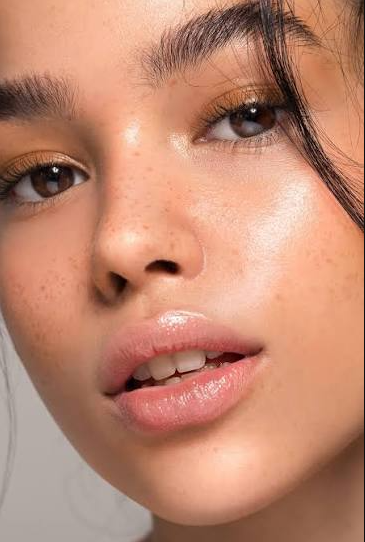
A dewy finish reflects light and creates a youthful glow.
Best for:
- Dry skin
- Normal skin
- Dull complexions
Satin Finish
A satin finish offers a balance between matte and radiant.
Ideal for:
- Combination skin
- Everyday wear
- Natural-looking makeup
Avoid Ultra-Matte Foundations
Very matte foundations may:
- Emphasize wrinkles
- Highlight dry patches
- Make skin appear older
A natural glow generally flatters mature skin more than an overly matte finish.
Match Your Skin Tone Correctly
Choosing the correct shade is essential.
Test foundation on:
- Jawline
- Neck
- Lower cheek
The right shade should blend seamlessly into your skin without creating noticeable lines.
Always test foundation in natural daylight whenever possible.
Understand Your Undertone
Skin undertones generally fall into three categories.
Warm Undertones
Characteristics:
- Golden
- Yellow
- Peach
Look for foundations labeled:
- Warm
- Golden
- Honey
Cool Undertones
Characteristics:
- Pink
- Red
- Blue
Choose shades labeled:
- Cool
- Rose
- Ivory
Neutral Undertones
Neutral skin combines warm and cool tones.
Look for foundations marked:
- Neutral
- Beige
- Natural
Knowing your undertone helps achieve a more natural finish.
Consider Your Skin Type
Dry Mature Skin
Choose:
- Cream foundations
- Liquid foundations
- Hydrating formulas
Avoid powder-heavy products.
Combination Skin
Look for:
- Satin finish
- Lightweight liquids
- Buildable coverage
Oily Mature Skin
Choose:
- Oil-free formulas
- Long-wear foundations
- Lightweight matte (not flat matte) finishes
Balance is key to preventing excess shine without drying the skin.
Look for Anti-Aging Ingredients
Many modern foundations offer skincare benefits alongside coverage.
Helpful ingredients include:
- Hyaluronic acid
- Peptides
- Niacinamide
- Vitamin C
- SPF
- Antioxidants
These ingredients help support healthier-looking skin over time.
Don’t Forget SPF Protection
Sun exposure is one of the leading causes of premature skin aging.
While foundation with SPF provides some protection, it’s still best to apply a separate broad-spectrum sunscreen before makeup for more reliable coverage.
Use the Right Primer
Primer creates a smoother surface and helps foundation last longer.
Choose primers designed for mature skin that:
- Hydrate
- Blur fine lines
- Minimize pores
- Improve makeup longevity
A moisturizing primer can significantly improve foundation application.
Best Application Techniques
Application matters just as much as product selection.
Use a Damp Makeup Sponge
A damp sponge helps:
- Blend foundation evenly
- Prevent cakiness
- Create a natural finish
Apply Thin Layers
Instead of using a large amount at once:
- Start with a small amount
- Build coverage gradually
- Blend thoroughly
This creates a more skin-like appearance.
Focus on Problem Areas
Rather than applying thick foundation everywhere, add extra coverage only where needed.
This keeps makeup looking fresh and lightweight.
Common Foundation Mistakes for Mature Skin
Avoid these common errors:
- Choosing overly matte formulas
- Wearing shades that are too light or too dark
- Applying too much product
- Skipping moisturizer
- Ignoring primer
- Using dirty makeup brushes
- Setting the entire face with heavy powder
Less is often more when it comes to makeup for mature skin.
Powder: Use Sparingly
Too much powder can settle into fine lines.
Instead:
- Lightly dust powder only on oily areas
- Leave naturally dry areas untouched
- Use finely milled translucent powder
This helps maintain a radiant complexion.
Replace Foundation When Needed
Foundation doesn’t last forever.
Replace it if you notice:
- Changes in smell
- Separation
- Thickening
- Expired packaging date
Using fresh products helps maintain both performance and skin hygiene.
Final Thoughts
Learning how to choose the right foundation for mature skin begins with understanding your skin’s changing needs. Lightweight, hydrating formulas with buildable coverage and a radiant finish tend to deliver the most flattering results. Pair your foundation with good skincare, proper hydration, and thoughtful application techniques to achieve a smooth, youthful-looking complexion.
Remember, the goal isn’t to hide your skin—it’s to enhance its natural beauty. With the right foundation and a consistent skincare routine, mature skin can look healthy, radiant, and beautifully polished at any age.
Frequently Asked Questions (FAQs)
1. What type of foundation is best for mature skin?
Liquid or cream foundations with hydrating, lightweight, and buildable formulas are generally the best choices. They provide natural-looking coverage without emphasizing fine lines.
2. Should mature skin use matte or dewy foundation?
A dewy or satin finish is usually more flattering because it adds radiance and helps the skin appear smoother. Extremely matte foundations may highlight wrinkles and dryness.
3. How can I stop foundation from settling into wrinkles?
Start with a well-moisturized face, apply a hydrating primer, use thin layers of foundation, and blend thoroughly. Avoid using excessive powder, especially around the eyes and mouth.
4. Is powder foundation good for mature skin?
Powder foundations can work for some skin types, but they may accentuate dry patches and fine lines. Many people with mature skin find liquid or cream formulas more comfortable and natural-looking.
5. How do I find the right foundation shade?
Test foundation along your jawline in natural light. The correct shade should blend seamlessly into both your face and neck without leaving a noticeable line.
6. Can foundation improve the appearance of mature skin?
Yes. A well-formulated foundation can even out skin tone, soften the appearance of fine lines, add hydration, and create a smoother, more radiant complexion when paired with proper skincare and application techniques.