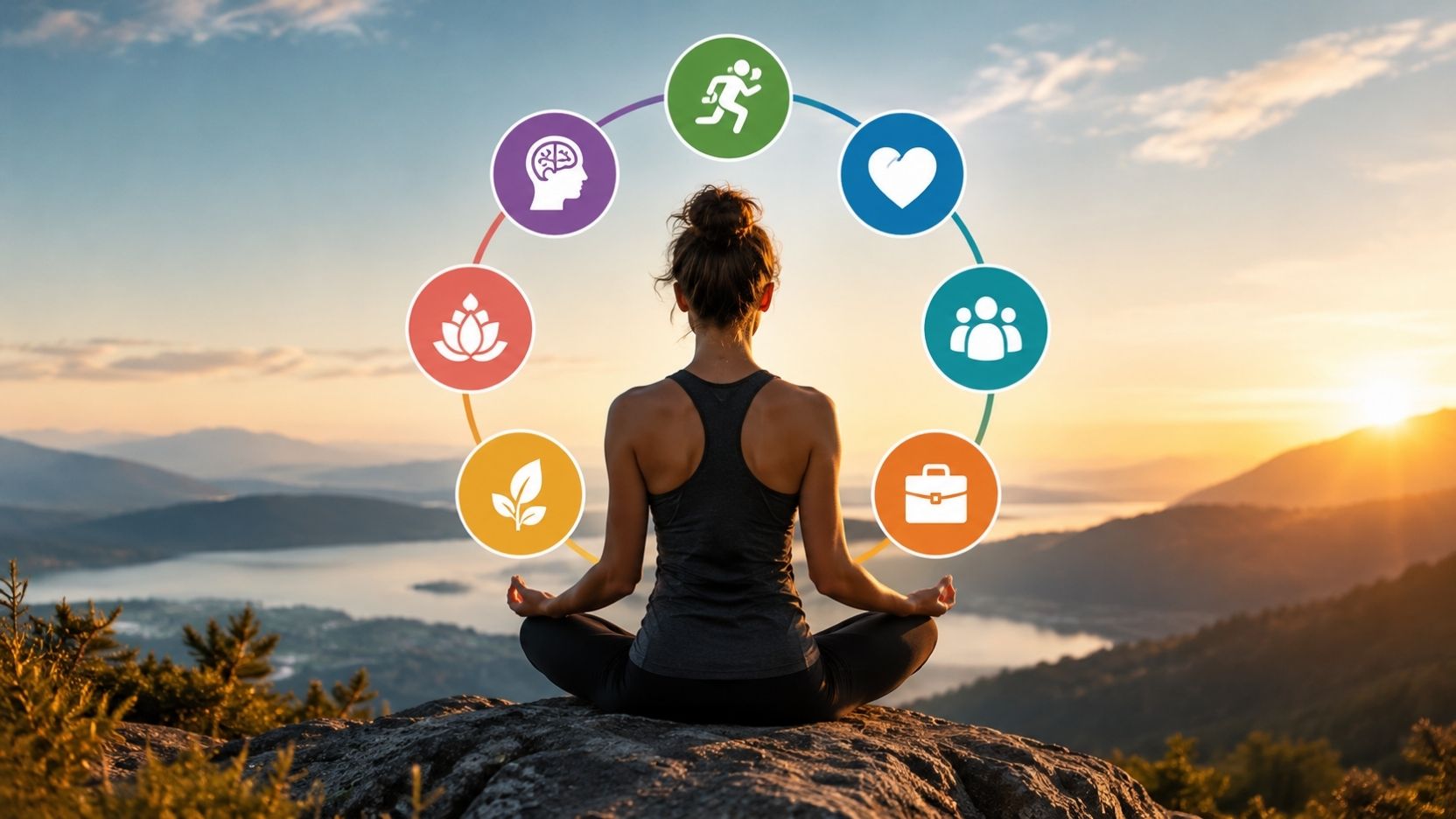

Wellness activities are intentional practices that support your physical, mental, emotional, social, financial, and spiritual health. They range from a ten minute walk to a company wide mental health day, and the right ones depend entirely on who is doing them and why.
This guide breaks down wellness activities by audience, by dimension of wellness, and by setting, so you can find ideas that actually fit your life, your classroom, or your workplace instead of a generic checklist.
What Counts As A Wellness Activity, Exactly?
A wellness activity is any structured or semi structured practice that improves one or more areas of well being. That definition is broader than most people expect.
It is not limited to yoga classes and green smoothies. Reading for twenty minutes, budgeting for fifteen, or having a real conversation with a friend all qualify, because they support a specific dimension of health.
Public health researchers have long organized wellness into distinct dimensions rather than treating it as one vague concept. The Substance Abuse and Mental Health Services Administration defines wellness as the connection of all aspects of behavioral health, including emotional, spiritual, intellectual, physical, environmental, financial, occupational, and social dimensions, each of which can affect overall quality of life.
That framework is useful because it explains why a single “wellness activity” list never satisfies everyone. A financial workshop and a hiking trip are both wellness activities, but they serve completely different needs.
See More: Nutrition And Wellness
The Eight Dimensions Of Wellness: Explained Simply
Before choosing activities, it helps to know what you are actually trying to improve. Here is what each dimension covers, using the framework SAMHSA developed to describe emotional, financial, social, spiritual, occupational, physical, intellectual, and environmental wellness.
| Dimension | What It Covers | Example Activity |
| Physical | Movement, sleep, nutrition, and rest | Walking meetings, stretching breaks |
| Emotional | Coping skills and healthy relationships | Journaling, therapy check ins |
| Social | Connection, belonging, and support systems | Team lunches, volunteer days |
| Occupational | Satisfaction and meaning from work | Skill workshops, mentorship programs |
| Intellectual | Creativity and continued learning | Book clubs, puzzle challenges |
| Environmental | Healthy, stimulating surroundings | Desk plants, decluttering sessions |
| Financial | Security and confidence about money | Budgeting workshops, savings challenges |
| Spiritual | Sense of purpose and meaning | Meditation, gratitude practices |
You do not need to address all eight dimensions at once. Most people, teams, and schools get better results by picking two or three dimensions that are genuinely lacking and building activities around those first.
Why Wellness Activities Matter Right Now
Wellness activities are not a trend. They are a response to measurable, ongoing stress across American life, especially in the workplace.
Recent national survey data paints a clear picture. Nearly seven in ten employed adults identified work as one of the most prominent sources of personal stress, and job insecurity alone is weighing heavily on the workforce.
More than half of U.S. workers said job insecurity has had a significant impact on their stress levels, and roughly two thirds said their organization has been affected by recent policy or economic changes. That stress does not stay contained to work hours.
It shows up in performance, too. About 56% of employees report that workplace stress affects their job performance, and deadlines, interpersonal friction, and staff management issues are named among the most common triggers.
On the physical side, most Americans are not meeting basic movement guidelines. Only about 25% of U.S. adults currently meet the CDC’s exercise recommendations, despite the fact that even small amounts of activity produce measurable benefits.
This is the gap wellness activities are meant to close: not eliminating stress entirely, but giving people practical, repeatable tools to manage it before it becomes chronic.
Wellness Activities For Adults: Everyday Options
Adult wellness activities work best when they fit into an already busy schedule rather than demanding a total lifestyle overhaul. Here are practical options organized by how much time they take.
Under fifteen minutes:
- A brisk walk around the block
- Five minutes of deep breathing or box breathing
- Writing down three things you are grateful for
- Stretching before bed
- Drinking a full glass of water before your first coffee
Fifteen to sixty minutes:
- A full workout, run, or fitness class
- Meal prepping healthy lunches for the week
- A phone call with a friend or family member
- Reading a book chapter without checking your phone
- A guided meditation session
Weekly or occasional:
- A digital detox afternoon
- Trying a new hobby class, like pottery or dance
- A weekend hike or nature walk
- A budgeting or financial planning session
- Volunteering for a few hours
The CDC’s physical activity guidelines are a useful benchmark here. Adults are advised to get 150 minutes of moderate intensity physical activity and two days of muscle strengthening activity each week, which can be broken into smaller chunks such as 30 minutes a day, five days a week. You do not have to hit that target in one session, and any amount of movement is better than none.
Wellness Activities For Employees And The Workplace
Workplace wellness activities work when they are built into the actual workday, not bolted on as an optional extra people feel guilty skipping. Below are activities organized by how much organizational effort they require.
Low Effort, High Impact Workplace Ideas
- Walking meetings instead of sitting in a conference room
- A quiet room or designated space for breaks
- Flexible start times to reduce commute stress
- A recurring “no meeting” block for focused work
- Standing desks or stretch breaks between calls
Structured Workplace Wellness Programs
- Monthly mental health days built into the calendar
- Subsidized gym memberships or fitness stipends
- An employee assistance program with confidential counseling
- Financial wellness workshops on budgeting or retirement planning
- Peer recognition programs that highlight contributions
Connection matters more than most wellness budgets account for. Research on job insecurity found that people who feel they matter to their coworkers are more likely to believe their work is meaningful and are less likely to be stressed by job insecurity. That single insight explains why team building and peer support activities consistently outperform standalone perk programs.
Out of the Box Wellness Ideas for Employees
If your team is tired of the same yoga session and step challenge, consider these less conventional options:
- Skill swap sessions. Employees teach each other a personal skill, from photography to a second language, during a lunch hour.
- Silent co working walks. Small groups walk a set route together without talking, simply to decompress.
- A “worry jar” Slack channel. Employees post low stakes concerns anonymously, and the wellness team addresses common themes monthly.
- Sensory reset rooms. A quiet, low light space with noise cancelling headphones for a five minute reset.
- Reverse mentorship. Junior employees mentor senior leaders on a topic they know well, building occupational and social wellness at once.
- Financial wellness bingo. A lighthearted challenge card covering small money tasks like checking a credit report or setting up autopay.
- Micro volunteering hours. One paid hour a month for a cause of the employee’s choosing, done individually or in small groups.
Virtual And Remote Wellness Activities
Remote teams need wellness activities that do not rely on a shared physical office.
- Virtual coffee chats with randomized pairings
- Online guided meditation sessions before the workday starts
- A shared step or activity tracking channel for friendly competition
- Async gratitude threads where team members post one win per week
- Virtual lunch and learns on topics unrelated to work output
Wellness Activities For Students
Students face a distinct mix of academic, social, and financial pressures, so student wellness activities should target those specific stressors rather than copying adult workplace programs wholesale.
On campus or in class:
- Study break walks between long study sessions
- Peer study groups that double as social connection
- Campus counseling drop in hours
- Stress management workshops before exam periods
- Mindfulness minutes at the start of class
Independent student wellness habits:
- A consistent sleep schedule, even on weekends
- Time blocking to reduce last minute cramming stress
- Journaling to process academic pressure
- Limiting caffeine intake in the afternoon
- Setting a screen free hour before bed
Health and wellness activities for younger students (K-12):
- Short movement breaks between lessons
- Simple breathing exercises before tests
- Art or music time unrelated to grades
- Buddy systems that pair younger and older students
- Nature time during recess, even for a few minutes
Financial stress deserves specific mention here. Data from national surveys shows workplace stress climbs sharply with income uncertainty, and workplace stress increases as salary decreases, jumping from lower levels among higher earners to much higher levels among those with less financial stability. Students carrying tuition or living cost pressure benefit from financial literacy activities just as much as relaxation focused ones.
Wellness Activities For Kids
For children, wellness activities work best disguised as play rather than presented as a formal program.
- Freeze dance or movement games for physical wellness
- “Feelings charades” to build emotional vocabulary
- Gratitude jars where kids add one note per day
- Nature scavenger hunts for outdoor time
- Simple breathing exercises taught as “balloon breaths”
- Storytelling circles that build social connection
- Chore based responsibility charts for a sense of contribution
Keep kids’ wellness activities short, sensory, and low pressure. A five minute activity done consistently builds better habits than a long session done rarely.
Mental Wellness Activities
Mental wellness activities focus specifically on emotional regulation, stress reduction, and psychological resilience.
- Journaling. Writing thoughts down, even briefly, helps process stress before it accumulates.
- Mindfulness meditation. Even five minutes of focused breathing can lower physiological stress markers.
- Cognitive reframing exercises. Writing down a stressful thought and a more balanced alternative view.
- Talk therapy or counseling. Regular sessions with a licensed professional, not just crisis response.
- Digital boundaries. Scheduled time away from news and social media.
- Support groups. Structured peer spaces for people facing similar challenges.
These activities matter because the current stress landscape is significant. National survey data found that stress related to misinformation rose to 69% of adults citing it as a major stressor, up from 62% the prior year, while concern about the pace of AI advancement climbed to 57%. Mental wellness activities that build resilience to information overload are increasingly relevant, not just traditional relaxation techniques.
Physical Wellness Activities
Physical wellness activities support the body directly, but they also improve mood, sleep, and focus.
- Brisk walking, cycling, or swimming for cardiovascular health
- Strength training two or more days a week
- Stretching or mobility work to prevent stiffness
- Consistent sleep hygiene practices
- Balanced meal planning rather than restrictive dieting
- Hydration tracking throughout the day
For a clear benchmark, adults should aim for 150 minutes of moderate intensity activity or 75 to 150 minutes of vigorous intensity activity per week, along with muscle strengthening activities for all major muscle groups at least twice a week. Moderate activity includes things as ordinary as a brisk walk, playing tennis, or raking the yard, so the bar is more achievable than it sounds.
Emotional And Social Wellness Activities
Emotional and social wellness are closely linked, since most people process emotions more effectively when they feel connected to others.
Emotional wellness activities:
- Naming emotions out loud or in writing rather than suppressing them
- Practicing self compassion statements during setbacks
- Setting boundaries in relationships or at work
- Scheduling regular downtime without guilt
Social wellness activities:
- Group volunteering or community service
- Recurring friend or family check ins
- Joining a club, sports league, or hobby group
- Team building activities that involve genuine collaboration, not just games
Spiritual and Financial Wellness Activities
These two dimensions are often skipped in generic wellness lists, but they matter just as much as physical health for overall satisfaction.
Spiritual wellness activities:
- Meditation or quiet reflection time
- Gratitude practices, written or spoken
- Time in nature without a specific goal
- Volunteering for a cause aligned with personal values
- Attending a faith community or reflective group, where relevant
Financial wellness activities:
- Building or reviewing a monthly budget
- An emergency savings challenge
- A one on one session with a financial advisor
- Reviewing subscriptions and recurring expenses
- Setting one specific, measurable savings goal
Wellness Activities for Groups, Teams, and Wellness Days
Group wellness activities need a different design than individual ones. They should encourage participation without singling anyone out, and they should not require a high fitness or skill level to enjoy.
Group and team wellness activities:
- Group hikes or nature walks
- Cooking classes focused on healthy meals
- Trivia or puzzle challenges that build camaraderie
- Volunteer days for a shared cause
- Wellness scavenger hunts across an office or campus
Planning a wellness day: A wellness day works best with a mix of activity types rather than one long session of the same thing. Consider structuring it around:
- A morning movement session, such as a walk or light fitness class
- A midday mental health workshop or guided relaxation
- An afternoon social activity, like a team lunch or game
- A closing reflection or gratitude circle to end on a personal note
Wellness retreat activities: Retreats allow for deeper, longer format activities that a single wellness day cannot fit in.
- Extended nature immersion, such as guided hikes
- Multi session mindfulness or breathwork workshops
- Digital detox blocks with no phones or laptops
- Small group discussions on personal goals or values
- Skill building workshops in areas like nutrition or sleep
Wellness Activities at Home
Home based wellness activities are especially useful for people balancing caregiving, remote work, or limited free time.
- A consistent morning routine that does not involve checking your phone first
- A dedicated reading corner or quiet space
- Simple home workouts using bodyweight exercises
- Meal planning for the week on a set day
- A “no screens after 9pm” household rule
- Indoor plants or small environmental changes to your space
Environmental wellness plays a bigger role here than people expect. Regular exposure to calm, organized environments is linked to lower cortisol levels, lower blood pressure, and better mood, while cluttered or chaotic spaces are associated with higher anxiety and poorer sleep. Small changes to your physical space can support wellness just as much as scheduled activities.
Wellness Games and Fun Activities
Not every wellness activity needs to feel serious. Playful, game based formats often get higher participation than formal wellness sessions, especially in workplaces and classrooms where people are wary of anything that feels mandatory.
- Wellness bingo. A card of small daily actions, such as drinking water, taking a walk, or messaging a friend, checked off over a week or month.
- Two truths and a wellness win. A team icebreaker where participants share two ordinary facts and one recent personal win, building social connection without pressure.
- Step count relay. Teams combine daily step counts toward a shared distance goal, like walking the length of a well known trail collectively.
- Mindful minute challenges. A short guided breathing exercise dropped into the start of a meeting or class period.
- Gratitude chain. Each person adds one sentence to a shared note about something they appreciated that week.
- Desk yoga bingo. A card of simple stretches employees can do without leaving their chair.
Games work because they lower the barrier to participation. Someone who would skip a formal “wellness workshop” will often join a five minute bingo challenge without a second thought.
Corporate Wellness Programs: Building a Long Term Strategy
A single wellness day or one off activity rarely changes behavior on its own. Organizations that see lasting results tend to treat wellness as an ongoing program rather than an isolated event.
Elements of a sustainable corporate wellness strategy:
- Leadership participation. When managers visibly take part in wellness activities, employees are more likely to feel it is safe to participate too.
- Variety across dimensions. Rotating focus between physical, financial, social, and emotional wellness keeps the program from feeling repetitive.
- Feedback loops. Short anonymous surveys after each activity reveal what employees actually want more of.
- Realistic time commitments. Activities that fit inside a normal workday get far higher participation than after hours events.
- Clear, non punitive opt outs. Wellness programs work best when participation is genuinely optional, without social or professional consequences for skipping.
Cost is often a barrier to building a full program, but many effective wellness activities require little to no budget. A walking meeting, a peer recognition channel, or a quiet room repurposed from unused office space can all be implemented without new spending.
Occupational wellness deserves particular attention inside these programs, since work itself is one of the most consistently cited sources of stress. Programs that address root causes, such as unclear expectations or excessive workload, tend to outperform programs that only offer relaxation activities layered on top of an otherwise stressful job.
Intellectual and Environmental Wellness Activities
These two dimensions are frequently overlooked, yet they influence day to day mood and focus just as much as physical or emotional health.
Intellectual wellness activities:
- Reading outside your usual subject area
- Learning a new skill unrelated to work or school
- Puzzle games, such as crosswords or logic puzzles
- Attending a lecture, workshop, or museum exhibit
- Journaling about a new idea or perspective each week
Environmental wellness activities:
- Decluttering one small area of your home or desk
- Adding natural light or plants to a workspace
- Spending time outdoors, even briefly, during the day
- Reducing noise or visual clutter in shared spaces
- Organizing a neighborhood or community cleanup
Small environmental changes tend to produce outsized results relative to the effort involved. Rearranging a desk to face a window or adding a single plant costs little but can measurably improve how a space feels to work or study in.
Common Mistakes When Introducing Wellness Activities
Even well intentioned wellness programs can fall flat. Watch for these common issues:
- Treating wellness as a one time event. A single wellness day without follow up rarely changes long term habits.
- Making participation feel mandatory. Forced positivity tends to backfire and can increase resentment rather than reduce stress.
- Ignoring root causes. No amount of yoga fixes a workload problem or an unsustainable class schedule.
- Copying another organization’s program exactly. What works for one team, school, or family depends on their specific stressors and culture.
- Overloading people with too many options. A long list of activities can feel overwhelming rather than helpful. Start with one or two and build from there.
How to Choose the Right Wellness Activities
With so many options across every dimension, picking where to start can feel overwhelming. Use this simple process:
- Identify the gap. Which dimension of wellness feels weakest right now: physical, emotional, social, financial, occupational, environmental, spiritual, or intellectual?
- Start small. Choose one or two activities you can realistically repeat weekly, not a long list you will abandon after a week.
- Build in accountability. Pair the activity with a person, a calendar reminder, or a group, since solo intentions are the easiest to skip.
- Review after thirty days. Keep what worked, drop what did not, and adjust before adding anything new.
This approach applies whether you are building a personal routine, a classroom plan, or a company wide wellness program.
See More: How Your Mind Can Heal Your Body
Key Takeaways
Wellness activities are not one size fits all, and the most effective ones target a specific, real gap rather than following a generic checklist. Start with the dimension of wellness that needs the most attention, whether that is physical, emotional, social, financial, occupational, environmental, spiritual, or intellectual.
For workplaces, connection based activities tend to outperform isolated perks, especially given how strongly job insecurity and workplace stress are currently affecting employees. For individuals, consistency in small activities beats occasional large efforts. And for students, kids, and groups, activities work best when they feel natural to that specific setting rather than borrowed wholesale from an adult wellness program.
Frequently Asked Questions
What are examples of wellness activities?
Examples include walking, journaling, meditation, budgeting sessions, team volunteering, stretching breaks, and gratitude practices. The best example depends on which dimension of wellness, such as physical or financial, needs the most support.
What are the eight dimensions of wellness?
The eight dimensions, as defined by SAMHSA, are physical, emotional, social, occupational, intellectual, environmental, financial, and spiritual. Each dimension affects overall quality of life differently.
How often should you do wellness activities?
Daily short activities, like a ten minute walk or five minutes of journaling, tend to build stronger habits than occasional long sessions. Weekly or monthly activities work well for deeper practices like retreats or workshops.
What are good wellness activities for the workplace?
Effective workplace wellness activities include walking meetings, mental health days, financial wellness workshops, peer recognition programs, and flexible scheduling. Activities that build genuine connection between coworkers tend to have the strongest impact on stress.
What are simple wellness activities for students?
Study break walks, peer study groups, consistent sleep schedules, and short mindfulness moments before exams are effective options. Financial literacy activities also help students facing tuition or living cost stress.
How do you plan a wellness day for employees?
Structure it around a mix of movement, mental health content, and social connection, such as a morning walk, a midday workshop, and an afternoon team activity. Avoid making every activity mandatory, since forced participation can reduce genuine engagement.
What are mental wellness activities for anxiety or stress?
Journaling, mindfulness meditation, cognitive reframing exercises, and setting boundaries around news or social media are commonly recommended. For ongoing or severe symptoms, working with a licensed therapist is the most reliable option.
What are wellness activities for kids specifically?
Movement games, feelings based charades, gratitude jars, and nature scavenger hunts work well because they combine wellness goals with play. Keeping sessions short and sensory based holds children’s attention better than longer structured programs.
Can wellness activities be done virtually?
Yes. Virtual coffee chats, online meditation sessions, async gratitude threads, and shared activity tracking channels all translate well to remote teams and distributed groups.
What is the difference between physical and mental wellness activities?
Physical wellness activities target the body directly, such as exercise, sleep, and nutrition, while mental wellness activities target emotional regulation and psychological resilience, such as journaling or therapy. Both dimensions influence each other, so many effective wellness programs combine both.
How much exercise counts as a physical wellness activity?
According to CDC guidelines, adults should aim for 150 minutes of moderate intensity activity per week, or about 30 minutes a day, five days a week, along with muscle strengthening activity twice weekly. Any amount of movement provides some benefit, even below that target.
What are financial wellness activities?
Financial wellness activities include budgeting sessions, savings challenges, reviewing recurring expenses, and meeting with a financial advisor. These activities reduce a stressor that consistently ranks among the top sources of personal stress for adults.
Do wellness activities actually reduce stress?
Yes, when they are practiced consistently and target a real source of stress rather than acting as a generic distraction. A single activity done once has limited effect, but repeated practices like regular movement, journaling, or social connection build measurable resilience over time.
What is a good wellness activity for a small budget?
Walking, journaling, stretching, gratitude practices, and peer support conversations all require little to no money. Many of the most effective wellness activities depend on consistency rather than cost, which makes them accessible regardless of budget.