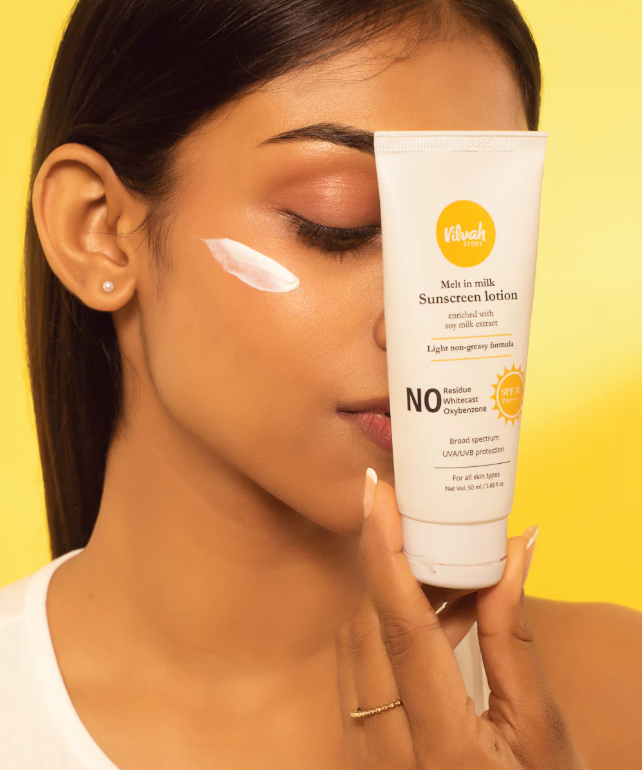
Finding the right sunscreen can be challenging, especially if you have oily skin. Many sunscreens feel heavy, leave a greasy finish, or create an unwanted white cast that makes the skin look unnatural. The good news is that modern formulas are designed specifically for oily and acne-prone skin, offering lightweight protection without leaving visible residue.
The best sunscreen for oily skin without white cast should provide strong UV protection, absorb excess oil, feel comfortable throughout the day, and blend seamlessly into the skin. Whether you have oily, combination, or acne-prone skin, choosing the right sunscreen can help protect your skin while maintaining a fresh, matte appearance.
This guide explains what to look for in a sunscreen, the best types for oily skin, common mistakes to avoid, and how to choose a formula that works for your daily routine.
Why Sunscreen Is Important for Oily Skin
Some people with oily skin avoid sunscreen because they worry it will make their face look shiny or cause breakouts. However, skipping sunscreen can lead to several skin concerns, including:
- Premature skin aging
- Dark spots and uneven skin tone
- Sun damage
- Increased sensitivity
- Worsening of pigmentation
Oily skin still needs daily sun protection. The key is selecting a lightweight sunscreen designed for your skin type.
What Makes a Good Sunscreen for Oily Skin?
The best sunscreen for oily skin should have specific features that improve comfort and appearance.
Lightweight Texture
Heavy creams can feel uncomfortable on oily skin. Gel, fluid, or water-based formulas usually feel lighter and absorb quickly.
Matte or Natural Finish
A matte finish helps reduce excess shine and keeps skin looking fresh throughout the day.
No White Cast
A good sunscreen should blend easily into the skin without leaving a noticeable white or gray layer.
Non-Comedogenic Formula
People with oily or acne-prone skin should look for products labeled non-comedogenic, meaning they are less likely to clog pores.
Broad-Spectrum Protection
Choose sunscreen that protects against both UVA and UVB rays for complete daily protection.
Best Types of Sunscreen for Oily Skin Without White Cast
| Sunscreen Type | Best For | Benefits |
|---|---|---|
| Gel Sunscreen | Very oily skin | Lightweight and fast absorbing |
| Fluid Sunscreen | Daily wear | Thin texture and easy application |
| Water-Based Sunscreen | Combination skin | Comfortable and hydrating |
| Mineral Sunscreen | Sensitive skin | Gentle protection |
| Hybrid Sunscreen | Most skin types | Balance of comfort and protection |
Key Ingredients to Look For
Certain ingredients can make sunscreen more suitable for oily skin.
Niacinamide
Niacinamide is commonly used in skincare products because it can help support the skin barrier and improve the appearance of uneven skin tone.
Zinc Oxide
Zinc oxide provides mineral sun protection and is often used in formulas designed for sensitive skin.
Silica
Silica can help absorb excess oil and create a smoother, less shiny finish.
Lightweight Hydrating Ingredients
Ingredients such as hyaluronic acid can provide hydration without making the skin feel greasy.
Best Sunscreen Features for Different Oily Skin Concerns
| Skin Concern | Look For |
|---|---|
| Excess shine | Matte finish and oil-control ingredients |
| Acne-prone skin | Non-comedogenic formulas |
| Sensitive skin | Fragrance-free and gentle formulas |
| Makeup use | Lightweight, quick-absorbing textures |
| Dark spots | High SPF and broad-spectrum protection |
How to Choose the Best Sunscreen for Oily Skin Without White Cast
Choose the Right SPF Level
A sunscreen with SPF 30 or higher is generally recommended for daily use. Higher SPF options may be preferred for extended outdoor exposure.
Consider Your Daily Routine
If you spend most of your time indoors, a lightweight daily sunscreen may be enough. If you spend hours outside, choose a more durable formula and reapply as needed.
Test the Texture
The ideal sunscreen should:
- Absorb quickly
- Feel comfortable after application
- Not leave a sticky layer
- Work well under makeup
Match Your Skin Type
Even within oily skin categories, needs can vary. Some people need stronger oil control, while others need hydration along with a lightweight finish.
How to Apply Sunscreen Correctly
Using the right amount of sunscreen is just as important as choosing the right product.
Follow these steps:
- Apply sunscreen as the final step of your morning skincare routine.
- Use enough product to properly cover your face and neck.
- Apply evenly and allow it to absorb before makeup.
- Reapply when spending extended time outdoors.
Many people apply too little sunscreen, which reduces the protection they receive.
Common Sunscreen Mistakes People With Oily Skin Make
Skipping Sunscreen Because of Oiliness
Oily skin still requires UV protection. Avoiding sunscreen can increase long-term skin damage.
Choosing Heavy Formulas
Thick creams may feel uncomfortable and increase the appearance of shine.
Applying Too Little Product
Using a small amount may not provide the protection listed on the label.
Not Reapplying Outdoors
Sweating, swimming, and wiping your face can reduce sunscreen effectiveness.
Sunscreen and Makeup: Tips for Oily Skin
Many people worry sunscreen will make makeup look patchy or greasy. Choosing a lightweight, fast-absorbing formula can help create a smoother base.
Helpful tips:
- Allow sunscreen to settle before applying makeup.
- Use oil-control makeup products if needed.
- Avoid layering too many heavy skincare products underneath.
- Choose a sunscreen with a smooth finish.
Mineral vs Chemical Sunscreen for Oily Skin
Both mineral and chemical sunscreens can work well for oily skin.
Mineral Sunscreen
Advantages:
- Often suitable for sensitive skin
- Uses ingredients like zinc oxide
- Provides physical protection
Potential drawback:
- Some formulas may leave a white cast if not properly formulated
Chemical Sunscreen
Advantages:
- Usually lightweight
- Often blends easily
- Less likely to leave a visible residue
Potential drawback:
- Some sensitive skin types may prefer gentler alternatives
The best choice depends on your skin’s tolerance and personal preference.
Frequently Asked Questions (FAQs)
1. What is the best sunscreen for oily skin without white cast?
The best sunscreen is usually a lightweight gel, fluid, or water-based formula that offers broad-spectrum protection and blends easily into the skin.
2. Can sunscreen make oily skin worse?
Some heavy formulas may increase shine, but sunscreens designed for oily skin are usually lightweight and oil-friendly.
3. Should oily skin use sunscreen every day?
Yes. Daily sunscreen use helps protect skin from UV damage, even on cloudy days or when spending limited time outdoors.
4. Is SPF 50 better for oily skin?
SPF level depends on your needs, but SPF 30 or higher is commonly recommended. SPF 50 can provide additional protection for people with frequent sun exposure.
5. Does sunscreen cause acne?
Some sunscreens may clog pores, but choosing a non-comedogenic formula can reduce the chance of breakouts.
6. How much sunscreen should I apply?
Apply enough to cover your face and neck adequately. Using too little sunscreen reduces the protection you receive.
7. Can I wear sunscreen under makeup?
Yes. Lightweight sunscreens can work well under makeup when applied correctly and allowed to absorb first.
8. What finish is best for oily skin?
A matte or natural finish is often preferred because it helps control shine while keeping the skin comfortable.
Final Thoughts
Choosing the best sunscreen for oily skin without white cast comes down to finding a formula that balances protection, comfort, and appearance. The ideal sunscreen should feel lightweight, absorb quickly, control excess shine, and blend naturally into your skin.
A good daily sunscreen is one of the most important steps in any skincare routine. By selecting a product designed for oily skin and applying it consistently, you can protect your skin from sun damage while maintaining a fresh, healthy-looking complexion.