Glowing skin does not always require expensive beauty treatments or a complicated skincare routine. With consistent care, healthy lifestyle habits, and a few gentle practices, you can support smoother, healthier-looking skin from the comfort of your home.
The best natural beauty tips for glowing skin at home focus on hydration, gentle cleansing, sun protection, balanced nutrition, adequate sleep, and avoiding habits that can irritate the skin.
A natural glow is not about making your skin look dramatically different. Instead, the goal is to keep your skin comfortable, hydrated, and well cared for.
What Does Glowing Skin Mean?
Glowing skin generally refers to skin that looks:
- Healthy
- Hydrated
- Smooth
- Fresh
- Even-toned
- Comfortable rather than dry or irritated
Everyone’s natural skin texture is different. Pores, fine lines, freckles, and other normal features are part of healthy skin.
Best Natural Beauty Tips for Glowing Skin
| Beauty Tip | Main Benefit | How to Practice It |
|---|---|---|
| Stay hydrated | Supports overall hydration | Drink fluids regularly |
| Moisturize | Helps reduce dryness | Apply after cleansing |
| Eat a balanced diet | Provides essential nutrients | Include fruits and vegetables |
| Get enough sleep | Supports overall well-being | Maintain a consistent sleep schedule |
| Use sunscreen | Helps protect from UV exposure | Apply during the day |
| Cleanse gently | Removes dirt and buildup | Avoid harsh scrubbing |
| Exercise regularly | Supports overall health | Stay physically active |
| Manage stress | Supports healthy lifestyle habits | Practice relaxation techniques |
| Avoid harsh DIY treatments | Reduces irritation risk | Choose gentle skincare |
| Keep your routine simple | Makes consistency easier | Focus on essential steps |
1. Keep Your Skin Hydrated
Hydration is one of the simplest ways to support healthy-looking skin.
Drink enough fluids throughout the day according to your body’s needs.
You can also support your skin externally by using a moisturizer suited to your skin type.
For Dry Skin
Choose richer creams containing moisturizing ingredients such as:
- Glycerin
- Ceramides
- Hyaluronic acid
- Shea butter
- Squalane
For Oily Skin
A lightweight gel or lotion may feel more comfortable.
Remember that oily skin can still benefit from regular moisturizing.
2. Cleanse Your Face Gently
Cleansing removes sweat, excess oil, makeup, sunscreen residue, and other daily buildup.
However, aggressive cleansing can leave skin feeling dry and uncomfortable.
Use a gentle cleanser and lukewarm water.
Avoid scrubbing your face aggressively with rough towels, brushes, or physical scrubs.
For many people, cleansing in the morning and evening is sufficient, although your ideal routine depends on your skin type and daily activities.
3. Never Skip Sunscreen
If you want healthier-looking, more even skin, sun protection should be part of your everyday routine.
Sun exposure can contribute to:
- Uneven skin tone
- Dark spots
- Premature visible aging
- Sunburn
- Skin damage
Use a broad-spectrum sunscreen during the day and follow its application instructions.
Sunscreen is particularly important when spending extended periods outdoors.
4. Eat a Balanced Diet
Your skin is affected by your overall health, so nutrition matters.
Try to include a variety of:
- Fruits
- Vegetables
- Whole grains
- Lean proteins
- Beans and legumes
- Nuts and seeds
- Healthy fats
Colorful fruits and vegetables provide a variety of nutrients and antioxidants that support overall health.
Rather than relying on a single “beauty food,” focus on a balanced diet.
5. Get Enough Sleep
A consistent sleep routine can support your overall well-being and help you look more refreshed.
When possible, maintain a regular bedtime and wake-up schedule.
Create a relaxing nighttime routine and reduce unnecessary screen time before bed if it affects your ability to sleep comfortably.
Good skincare cannot fully replace adequate rest.
6. Exercise Regularly
Regular physical activity supports overall health and can contribute to a healthy-looking appearance.
Activities such as:
- Walking
- Cycling
- Swimming
- Yoga
- Dancing
- Strength training
can all be useful ways to stay active.
If you exercise outdoors, remember to protect exposed skin from the sun.
After heavy sweating, cleanse your skin gently rather than leaving sweat and buildup on the face for long periods.
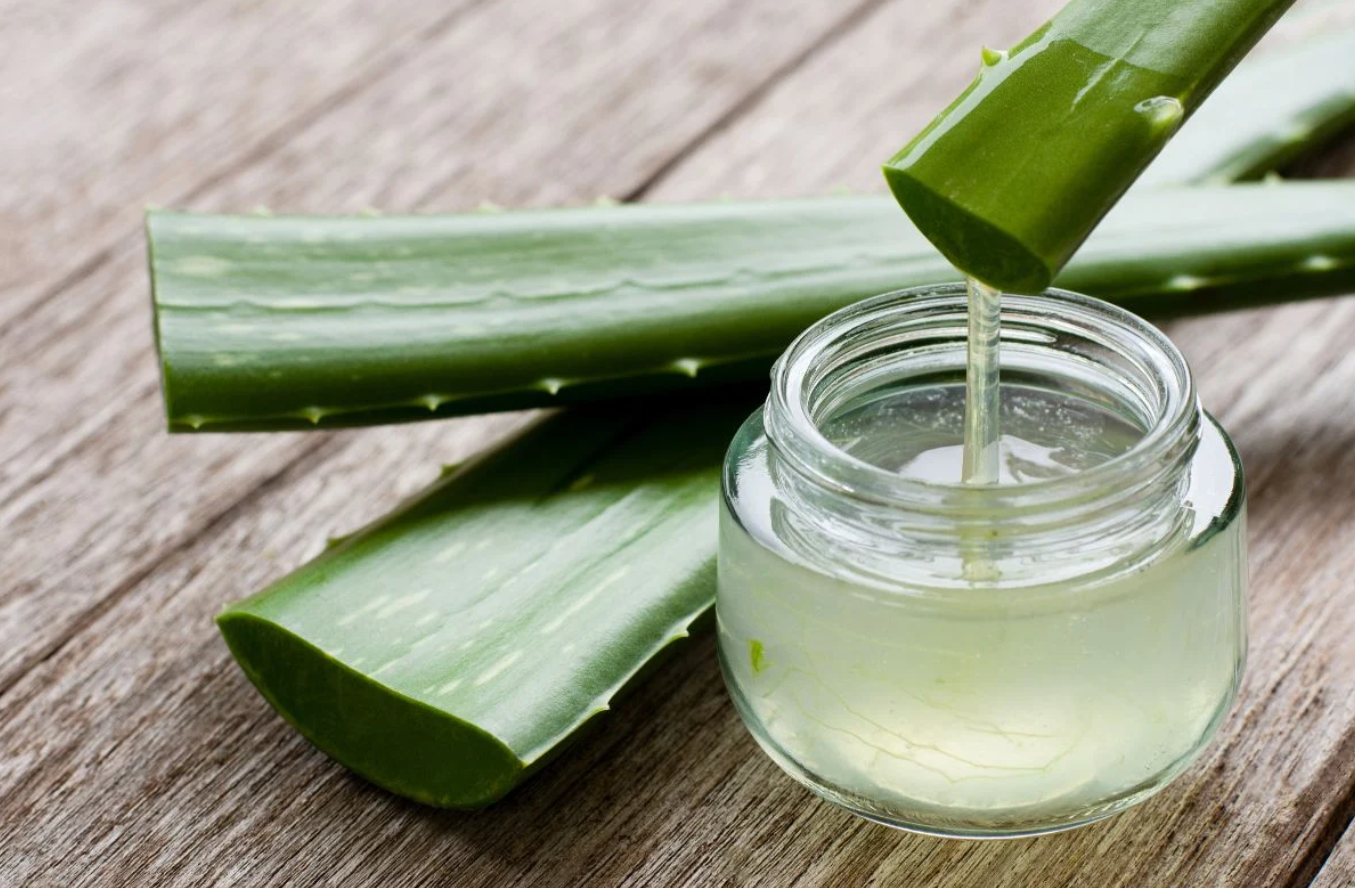
7. Use Aloe Vera for a Soothing Feel
Aloe vera is a popular plant-derived ingredient used in many skincare products.
It can provide a lightweight, refreshing feel and may be suitable for some people with dry or uncomfortable skin.
For facial use, choose a simple aloe-based skincare product rather than assuming fresh plant material is automatically safe.
If you have sensitive skin, test new products carefully.
8. Try Oatmeal for Dry or Sensitive Skin
Oatmeal is commonly used in skincare products designed for dry and sensitive skin.
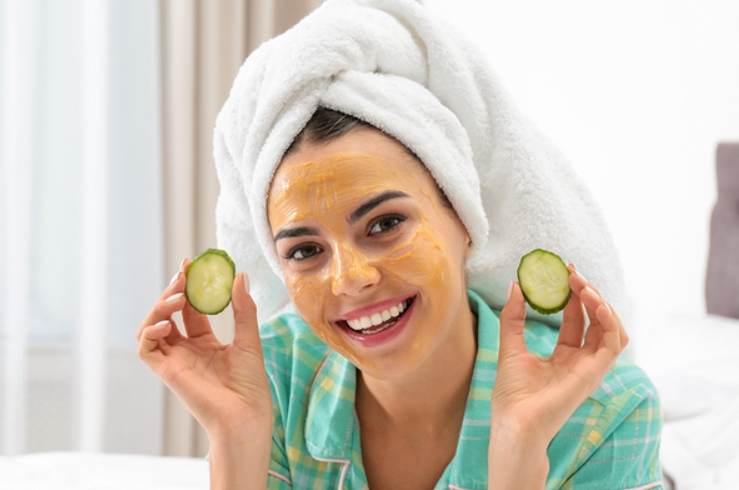
Finely ground plain oats can be incorporated into a gentle homemade mask.
Simple Oatmeal Mask
Mix finely ground plain oats with enough water to create a smooth paste.
Apply gently to the face without rubbing aggressively.
Leave it on briefly, rinse with lukewarm water, and moisturize afterward.
Stop using it if irritation occurs.
9. Avoid Harsh DIY Beauty Treatments
Natural ingredients are not automatically safe for facial skin.
Some popular DIY treatments can cause irritation.
Avoid applying ingredients such as:
- Lemon juice
- Baking soda
- Undiluted essential oils
- Harsh sugar scrubs
- Strong household acids
directly to your face.
Irritation can make the skin look red, dry, or uneven.
A simple skincare product formulated for facial use is often a safer choice.
10. Moisturize Immediately After Cleansing
One easy beauty habit is applying moisturizer shortly after cleansing.
This helps maintain a comfortable feeling and can reduce the appearance of dryness.
Choose a moisturizer based on your skin type.
Dry Skin
Try a richer cream.
Oily Skin
Choose a lightweight gel or lotion.
Combination Skin
Use a balanced moisturizer and apply additional product to areas that feel dry.
Sensitive Skin
Choose a simple formula that your skin already tolerates.
11. Keep Your Pillowcase Clean
Your pillowcase comes into regular contact with your face.
Changing it regularly can help reduce the buildup of sweat, oils, hair products, and other residue.
If you have acne-prone skin, keeping bedding clean can be a useful part of your overall hygiene routine.
12. Keep Your Makeup Tools Clean
Dirty makeup brushes and sponges can collect makeup residue, oil, and other buildup.
Clean reusable makeup tools regularly according to their material and care instructions.
Avoid sharing makeup brushes, sponges, or products that directly contact the skin.
Clean tools can also make makeup application smoother.
13. Avoid Touching Your Face Frequently
Your hands come into contact with many surfaces throughout the day.
Frequently touching your face can transfer oil, dirt, and other substances to the skin.
Try to avoid unnecessary touching, particularly if you are prone to breakouts.
Most importantly, avoid picking pimples.
Picking can increase irritation and may contribute to lingering marks.
14. Choose Gentle Exfoliation
Exfoliation can help remove surface buildup and make skin feel smoother.
However, more exfoliation is not necessarily better.
Aggressive scrubbing can irritate the skin and damage the skin barrier.
If you want to exfoliate, choose a gentle product and use it according to its instructions.
People with sensitive or irritated skin may need to exfoliate less frequently or avoid it temporarily.
15. Use Natural Oils Carefully
Plant oils such as jojoba, rosehip, and squalane are popular in skincare.
They can help soften dry skin, but facial oils do not work equally well for everyone.
If you want to try an oil:
- Choose a product intended for skincare.
- Start with a small amount.
- Introduce it gradually.
- Monitor your skin.
- Stop if irritation or breakouts develop.
A facial oil is optional and should not replace sunscreen or a suitable moisturizer.
16. Reduce Stress Where Possible
Stress is a normal part of life, but ongoing stress can affect overall well-being.
Simple relaxation habits may help you maintain a healthier lifestyle.
Try:
- Walking
- Deep breathing
- Meditation
- Reading
- Gentle stretching
- Spending time outdoors
- Maintaining hobbies
You do not need an elaborate wellness routine.
Small habits that you can maintain consistently can be more useful.
17. Avoid Very Hot Water
Hot showers can leave the skin feeling dry and uncomfortable.
Use lukewarm water when washing your face.
Keep showers comfortable rather than excessively hot, especially if your skin is already dry or sensitive.
18. Choose Skincare According to Your Skin Type
A product that works well for one person may not be ideal for someone else.
| Skin Type | Simple Approach |
|---|---|
| Dry | Gentle cleanser + rich moisturizer |
| Oily | Gentle cleanser + lightweight moisturizer |
| Combination | Balance hydration and oil control |
| Sensitive | Simple, fragrance-free products if tolerated |
| Normal | Basic cleansing, moisturizing, and sun protection |
You do not need to follow someone else’s complicated skincare routine to have healthy-looking skin.
19. Create a Simple Morning Routine
A natural-looking glow starts with consistent basics.
Morning Routine
Step 1: Gentle cleanse or rinse
Step 2: Hydrating serum or optional skincare product
Step 3: Moisturizer
Step 4: Broad-spectrum sunscreen
This routine is enough for many people.
20. Create a Simple Night Routine
Nighttime skincare can be equally simple.
Night Routine
Step 1: Remove makeup and sunscreen as appropriate.
Step 2: Cleanse gently.
Step 3: Apply a moisturizer.
Step 4: Add a targeted treatment if needed.
You do not need to apply a different mask or treatment every night.
Weekly Natural Beauty Routine
A simple weekly schedule can help you stay consistent.
| Day | Simple Beauty Care |
|---|---|
| Monday | Basic cleansing and moisturizing |
| Tuesday | Hydrating skincare |
| Wednesday | Basic routine |
| Thursday | Gentle skincare |
| Friday | Basic routine |
| Saturday | Optional gentle mask |
| Sunday | Simple moisturizing and rest |
Avoid turning every day into an intensive skincare treatment.
Your skin often benefits more from consistency than constant experimentation.
How to Get Glowing Skin Without Makeup
If you want naturally radiant-looking skin, focus on the basics.
Morning
- Cleanse gently
- Moisturize
- Apply sunscreen
During the Day
- Drink fluids regularly
- Eat balanced meals
- Stay physically active
- Avoid unnecessary face touching
Night
- Remove makeup if you wear it
- Cleanse
- Moisturize
- Get adequate sleep
This simple approach can be easier to maintain than an elaborate routine.
Common Mistakes That Can Make Skin Look Dull
Over-Exfoliating
Too much exfoliation can leave the skin irritated and dry.
Using Too Many Products
A complicated routine can increase the risk of irritation.
Skipping Moisturizer
Dry skin can appear rough and dull.
Forgetting Sunscreen
Regular sun exposure can contribute to uneven tone and visible skin aging.
Using Harsh DIY Ingredients
Natural ingredients can still irritate the skin.
Expecting Overnight Results
Healthy-looking skin usually comes from consistent habits rather than a single treatment.
How Long Does It Take to See Glowing Skin?
There is no universal timeline.
Hydration and dryness may improve relatively quickly when you use appropriate skincare consistently.
Concerns such as uneven tone, acne marks, and texture can take longer.
The best approach is to maintain a simple routine and avoid frequently switching products.
Natural Beauty Tips for Different Skin Concerns
| Concern | Helpful Approach |
|---|---|
| Dryness | Moisturizer and gentle cleansing |
| Dullness | Hydration, gentle skincare, sun protection |
| Oily skin | Lightweight products and gentle cleansing |
| Acne-prone skin | Non-irritating routine and avoid picking |
| Dark spots | Sunscreen and targeted skincare |
| Sensitive skin | Simple, gentle products |
| Rough texture | Gentle exfoliation when tolerated |
If you have a persistent skin condition, professional advice may be more appropriate than relying only on home remedies.
When to See a Dermatologist
Natural home care can support everyday skincare, but it is not a replacement for professional treatment when you have a persistent problem.
Consider seeing a dermatologist if you experience:
- Persistent acne
- Severe dryness
- Ongoing redness
- Significant itching
- Repeated rashes
- Painful skin lesions
- Sudden changes in pigmentation
- Skin changes that do not improve
Professional evaluation can help identify the underlying cause and appropriate treatment.
FAQs About Natural Beauty Tips for Glowing Skin
1. What is the best natural way to get glowing skin?
Consistent hydration, gentle cleansing, moisturizing, sun protection, balanced nutrition, adequate sleep, and regular physical activity are some of the most useful habits.
2. Can I get glowing skin naturally at home?
Yes. You can support healthy-looking skin at home through a simple skincare routine and healthy lifestyle habits. Results vary from person to person.
3. Which natural ingredient is best for glowing skin?
There is no single best ingredient for everyone. Aloe vera, oatmeal, and certain plant oils may be useful depending on your skin type and tolerance.
4. Is drinking water enough to make skin glow?
Drinking enough fluids is important for overall health, but water alone cannot solve every skin concern. External moisturizing and appropriate skincare are also important.
5. Can lemon make skin glow?
Lemon juice is sometimes promoted as a DIY brightening remedy, but applying it directly to the face can cause irritation. It is better to use properly formulated skincare products.
6. How often should I use a face mask?
A face mask is optional. If you use one, follow the product’s instructions and choose a gentle formula suited to your skin type.
7. Is aloe vera good for glowing skin?
Aloe vera can provide a refreshing and hydrating feel for some people. It can be used as part of a broader skincare routine.
8. How can I get glowing skin overnight?
You cannot completely transform your skin overnight. However, cleansing gently, moisturizing, getting enough sleep, and avoiding irritating products can help your skin look more refreshed the next day.
9. What should I avoid for naturally glowing skin?
Avoid aggressive scrubbing, excessive exfoliation, harsh DIY ingredients, picking at blemishes, and using products that repeatedly irritate your skin.
10. What is the most important skincare step for glowing skin?
There is no single step for everyone, but consistent sun protection, moisturizing, and gentle skincare form a strong foundation for healthy-looking skin.
Final Thoughts
The best natural beauty tips for glowing skin at home are simple, consistent, and gentle. You do not need expensive treatments or a long list of DIY remedies to support healthy-looking skin.
Focus on moisturizing, gentle cleansing, sun protection, balanced nutrition, adequate sleep, regular movement, and avoiding harsh ingredients. If you want to experiment with natural ingredients, introduce them carefully and stop using anything that causes irritation.
Most importantly, remember that healthy skin does not have to look perfect. A natural glow comes from taking care of your skin consistently and choosing habits that work for your individual needs.