Hyperpigmentation is a common skin concern that can make the complexion look uneven. Dark spots, acne marks, sun spots, and areas of discoloration can develop for several reasons, including sun exposure, inflammation, acne, hormonal changes, and skin irritation.
Choosing the right skincare ingredients can help improve the appearance of uneven skin tone over time. However, there is no single ingredient that works for everyone. The best approach is usually a combination of gentle skincare, targeted ingredients, and consistent sun protection.
If you are looking for the best skincare ingredients for hyperpigmentation, this guide explains popular options, how to use them, and how to build a simple routine without overwhelming your skin.
What Is Hyperpigmentation?
Hyperpigmentation occurs when certain areas of the skin become darker than the surrounding skin.
Common types and causes include:
- Dark spots after acne
- Sun spots
- Post-inflammatory hyperpigmentation
- Uneven skin tone
- Hormonal pigmentation
- Marks left after skin irritation
Hyperpigmentation can appear on the face, neck, hands, chest, and other exposed areas.
The treatment approach depends on the underlying cause, so persistent or unusual pigmentation may require professional evaluation.
Best Ingredients for Hyperpigmentation
| Ingredient | Main Benefit | Best For |
|---|---|---|
| Vitamin C | Brightening and antioxidant support | Uneven skin tone |
| Niacinamide | Helps improve uneven-looking tone | Dark spots and overall tone |
| Retinoids | Support skin renewal | Dark spots and texture |
| Azelaic acid | Targets pigmentation and blemish-related concerns | Acne marks |
| Alpha arbutin | Helps improve the appearance of dark spots | Uneven tone |
| Kojic acid | Brightening ingredient | Dark spots |
| Licorice extract | Helps support a more even-looking complexion | Sensitive skin routines |
| Glycolic acid | Exfoliation and smoother texture | Dull, uneven skin |
| Salicylic acid | Exfoliation and pore care | Acne-prone skin |
| Tranexamic acid | Used in products targeting discoloration | Persistent pigmentation |
Not every ingredient needs to be used together. Combining too many active ingredients can increase irritation.
1. Vitamin C
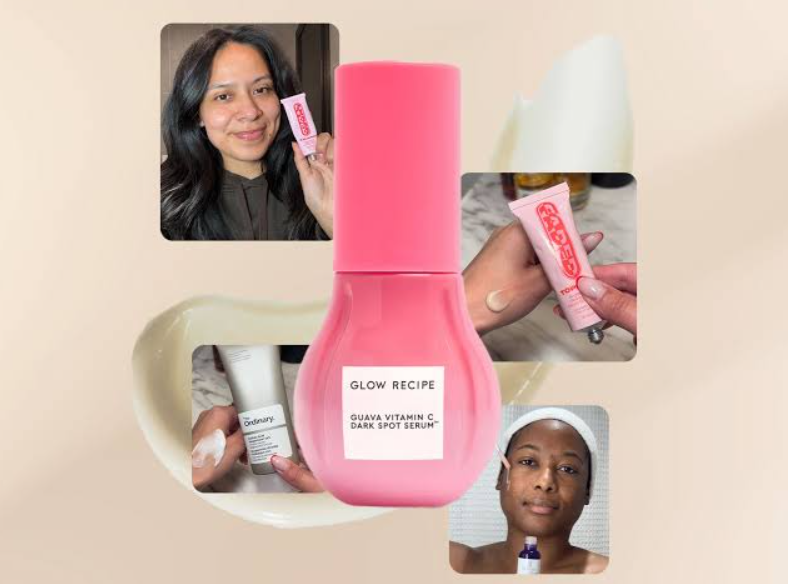
Vitamin C is one of the most popular ingredients for improving the appearance of hyperpigmentation.
It is an antioxidant and is commonly used in brightening skincare products.
Vitamin C can help support:
- A more even-looking skin tone
- Brighter-looking skin
- Reduction in the appearance of dark spots
- Protection against environmental oxidative stress
Vitamin C products come in different forms and strengths.
How to Use Vitamin C
Vitamin C is commonly used in the morning after cleansing and before moisturizer and sunscreen.
A simple routine can be:
Cleanser → Vitamin C serum → Moisturizer → Sunscreen
If you have sensitive skin, introduce it gradually.
2. Niacinamide
Niacinamide is a versatile skincare ingredient that can be useful for people dealing with uneven skin tone.
It is commonly found in serums, moisturizers, and other skincare products.
In addition to supporting a more even-looking complexion, niacinamide can also help support the skin barrier and may be useful for oily or combination skin.
Why Beginners Like Niacinamide
It is available in many different formulations and can be easier to incorporate into a routine than some stronger active ingredients.
If you already use a moisturizer containing niacinamide, you may not need a separate serum.
3. Retinoids
Retinoids are widely used in skincare routines targeting signs of aging, uneven texture, acne, and pigmentation.
They support skin cell turnover and can help improve the appearance of uneven skin over time.
Retinoids include several different forms and strengths.
How to Introduce Retinoids
If you are new to retinoids:
- Start with a suitable low-strength product.
- Introduce it gradually.
- Follow the product’s directions.
- Moisturize regularly.
- Use sunscreen during the day.
Retinoids can cause dryness and irritation when introduced too quickly.
If you are pregnant, trying to become pregnant, or breastfeeding, discuss retinoid use with a qualified healthcare professional before using these products.
4. Azelaic Acid
Azelaic acid is a popular ingredient for people who experience both pigmentation and acne-related concerns.
It can be useful for:
- Post-acne dark marks
- Uneven skin tone
- Blemish-prone skin
- Redness-related concerns
It is available in different strengths and formulations.
For beginners, it can be useful to introduce azelaic acid as the only new active ingredient in your routine.
5. Alpha Arbutin
Alpha arbutin is commonly used in brightening skincare products.
It is often included in serums designed to improve the appearance of dark spots and uneven skin tone.
It can be appealing for people who want a targeted brightening ingredient without using an overly complicated routine.
A simple routine could include:
Cleanser → Alpha arbutin serum → Moisturizer → Sunscreen
6. Kojic Acid
Kojic acid is another ingredient commonly found in products targeting hyperpigmentation.
It is often used in creams, serums, cleansers, and other brightening formulations.
Because active brightening ingredients can sometimes irritate the skin, start slowly and follow product instructions.
Avoid combining several strong brightening treatments immediately.
7. Licorice Extract
Licorice extract is a botanical ingredient commonly included in products designed to improve the appearance of uneven skin tone.
It can be found in:
- Serums
- Moisturizers
- Toners
- Brightening creams
Licorice-derived ingredients may be an appealing option for people who prefer botanical skincare.
However, “natural” does not automatically mean irritation-free.
8. Glycolic Acid
Glycolic acid is an alpha hydroxy acid, or AHA.
It exfoliates the skin and can help improve the appearance of:
- Dullness
- Uneven texture
- Uneven skin tone
- Surface pigmentation
Because glycolic acid can be irritating, beginners should avoid using it too frequently.
If your skin is sensitive, consider starting with a gentler exfoliating approach.
9. Salicylic Acid
Salicylic acid is a beta hydroxy acid commonly used for oily and acne-prone skin.
It can help with clogged pores and blemishes, making it useful when dark spots are related to acne.
However, salicylic acid does not directly replace a targeted pigmentation treatment.
If you frequently develop acne followed by dark marks, controlling the acne itself can be an important part of preventing new pigmentation.
10. Tranexamic Acid
Tranexamic acid has become a popular ingredient in skincare products designed for discoloration.
It is commonly found in serums and creams formulated for uneven skin tone.
If you want to try it, choose a product formulated specifically for facial skincare and follow its instructions.
Why Sunscreen Is Essential for Hyperpigmentation
You can use excellent brightening ingredients and still struggle with pigmentation if you regularly expose your skin to the sun without adequate protection.
UV exposure can contribute to darkening and make existing pigmentation more noticeable.
Use a broad-spectrum sunscreen during the day.
This should be considered a foundational part of any routine designed to improve the appearance of hyperpigmentation.
How to Build a Hyperpigmentation Skincare Routine
You do not need every brightening ingredient.
A simple routine is often easier to maintain.
Morning
Step 1: Gentle cleanser
Step 2: Vitamin C or niacinamide
Step 3: Moisturizer
Step 4: Broad-spectrum sunscreen
Night
Step 1: Gentle cleanser
Step 2: One targeted treatment
Step 3: Moisturizer
Your nighttime treatment could be a retinoid, azelaic acid, or another suitable ingredient depending on your skin.
Best Ingredients for Acne Marks
If your hyperpigmentation is mainly caused by acne, consider ingredients that address both breakouts and discoloration.
Useful options can include:
- Niacinamide
- Azelaic acid
- Retinoids
- Salicylic acid
- Vitamin C
Avoid picking or squeezing acne because inflammation and skin injury can contribute to lingering marks.
Best Ingredients for Sensitive Skin
If your skin is sensitive, a simpler routine may be better.
Consider starting with:
- Niacinamide
- Azelaic acid
- Licorice-derived ingredients
- Gentle moisturizing ingredients
- Sunscreen
Introduce one active ingredient at a time.
Avoid immediately combining multiple exfoliating acids and strong treatments.
Best Ingredients for Dark Spots From Sun Exposure
For sun-related discoloration, a routine can include:
Vitamin C + gentle brightening treatment + sunscreen
You may also consider niacinamide, retinoids, alpha arbutin, or other targeted ingredients.
The most important part is consistent daytime sun protection.
Ingredients You Should Not Overuse
Using more active ingredients does not necessarily make pigmentation disappear faster.
Be careful when combining:
- Retinoids
- Glycolic acid
- Salicylic acid
- Kojic acid
- Strong vitamin C formulas
- Other exfoliating treatments
Too much irritation can make skin uncomfortable and may worsen the appearance of discoloration in some people.
How to Introduce Hyperpigmentation Products
Start slowly.
Week 1
Use your basic cleanser, moisturizer, and sunscreen.
Week 2
Add one targeted ingredient.
Following Weeks
If your skin tolerates the product well, continue consistently before considering another active.
There is no need to introduce several treatments simultaneously.
Common Mistakes When Treating Hyperpigmentation
Skipping Sunscreen
This is one of the biggest mistakes.
Daily sun protection is important when trying to improve the appearance of dark spots.
Using Lemon Juice
Lemon juice is sometimes promoted as a natural brightening treatment.
It can irritate facial skin and should not be used as a substitute for properly formulated skincare.
Over-Exfoliating
Aggressive exfoliation can damage the skin barrier.
If your skin becomes red, burning, or excessively dry, simplify your routine.
Picking Acne
Picking blemishes can increase inflammation and contribute to post-acne marks.
Using Too Many Products
A complicated routine can increase irritation and make it difficult to determine which product is helping.
How Long Does It Take to Reduce Hyperpigmentation?
Hyperpigmentation usually does not disappear overnight.
The timeline depends on:
- Type of pigmentation
- Depth of discoloration
- Cause
- Skin type
- Products used
- Consistency
- Sun exposure
Some superficial dark marks may gradually become less noticeable with consistent skincare, while deeper or persistent pigmentation may take longer.
Do not judge a product after only a few days.
Natural Ingredients for Hyperpigmentation
If you prefer botanical skincare, you may come across ingredients such as:
- Licorice extract
- Green tea
- Mulberry extract
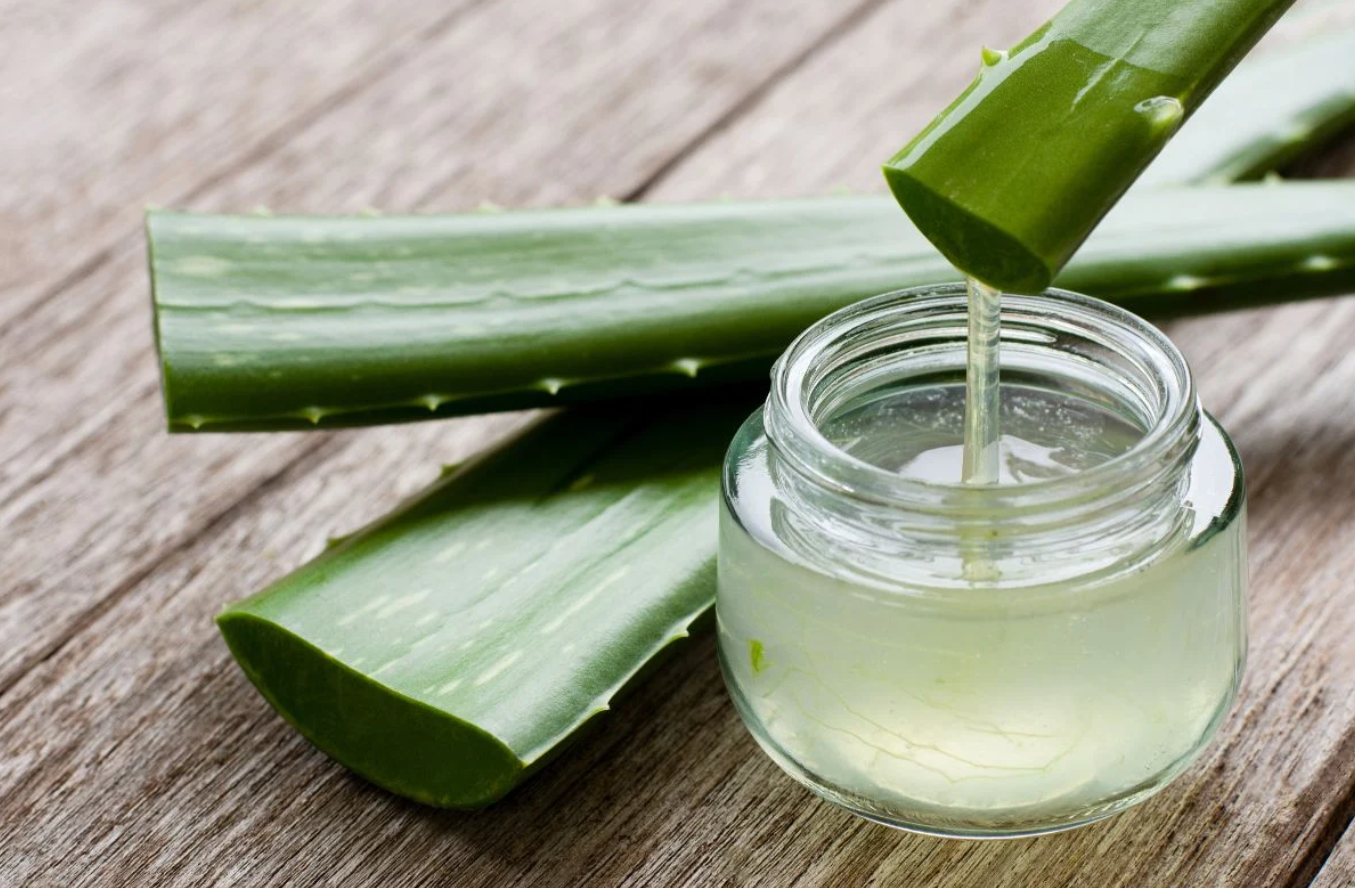
- Aloe vera
- Bearberry-derived ingredients
These can appear in brightening formulations.
However, botanical does not automatically mean stronger or safer. Choose properly formulated products and introduce them gradually.
Affordable Hyperpigmentation Skincare Routine
You do not need a large collection of expensive products.
| Product | Priority |
|---|---|
| Gentle cleanser | Essential |
| Moisturizer | Essential |
| Sunscreen | Essential |
| One brightening serum | Recommended |
| One targeted treatment | Optional |
| Exfoliant | Optional |
| Eye cream | Not necessary for pigmentation |
If you have a limited budget, spend your money on the basics first.
When Should You See a Dermatologist?
Some pigmentation concerns can be difficult to treat with over-the-counter skincare alone.
Consider professional advice if:
- Pigmentation suddenly appears
- Dark patches continue spreading
- A spot changes in appearance
- Pigmentation is severe or persistent
- You have significant irritation
- Home skincare is not improving the concern
A dermatologist can determine the likely cause and recommend an appropriate treatment plan.
FAQs About the Best Skincare Ingredients for Hyperpigmentation
1. What is the best ingredient for hyperpigmentation?
There is no single best ingredient for everyone. Vitamin C, niacinamide, azelaic acid, retinoids, alpha arbutin, kojic acid, and tranexamic acid are commonly used in products targeting uneven skin tone.
2. Which ingredient is best for dark spots from acne?
Azelaic acid, niacinamide, retinoids, and vitamin C can be useful options. Preventing new acne and avoiding picking can also help reduce the development of additional marks.
3. Can vitamin C remove hyperpigmentation?
Vitamin C can help improve the appearance of uneven skin tone and dark spots over time. Consistent sunscreen use is also important.
4. Is niacinamide good for dark spots?
Niacinamide is commonly used in skincare products designed to improve uneven-looking skin tone and support the skin barrier.
5. Can retinol help with hyperpigmentation?
Retinoids can support skin renewal and may improve the appearance of dark spots and uneven texture over time. Introduce them gradually to reduce irritation.
6. Can I use vitamin C and niacinamide together?
These ingredients can generally be incorporated into the same overall skincare routine. If your skin is sensitive, introduce products one at a time so you can monitor how your skin responds.
7. Should I exfoliate if I have hyperpigmentation?
Exfoliation may help improve uneven texture and the appearance of surface pigmentation, but excessive exfoliation can irritate the skin. Use exfoliating products carefully.
8. How often should I use brightening products?
Follow the individual product instructions. Beginners should generally introduce active ingredients gradually rather than using several treatments every day.
9. Does sunscreen help prevent hyperpigmentation?
Consistent sun protection can help reduce additional UV-related darkening and is an important part of managing the appearance of pigmentation.
10. How long does hyperpigmentation take to fade?
It varies depending on the cause and depth of pigmentation. Consistent skincare and sun protection are important, but persistent pigmentation may require professional treatment.
Final Thoughts
The best skincare ingredients for hyperpigmentation depend on the cause of your discoloration and how well your skin tolerates different treatments.
Vitamin C, niacinamide, azelaic acid, retinoids, alpha arbutin, kojic acid, tranexamic acid, and gentle exfoliating acids are among the ingredients commonly used in pigmentation-focused skincare.
You do not need to use all of them. Start with a gentle cleanser, moisturizer, one targeted ingredient, and daily sunscreen. Introduce new products gradually and avoid aggressive DIY treatments.
With patience and consistent care, a well-planned skincare routine can help improve the appearance of uneven skin tone while supporting healthier-looking skin.