
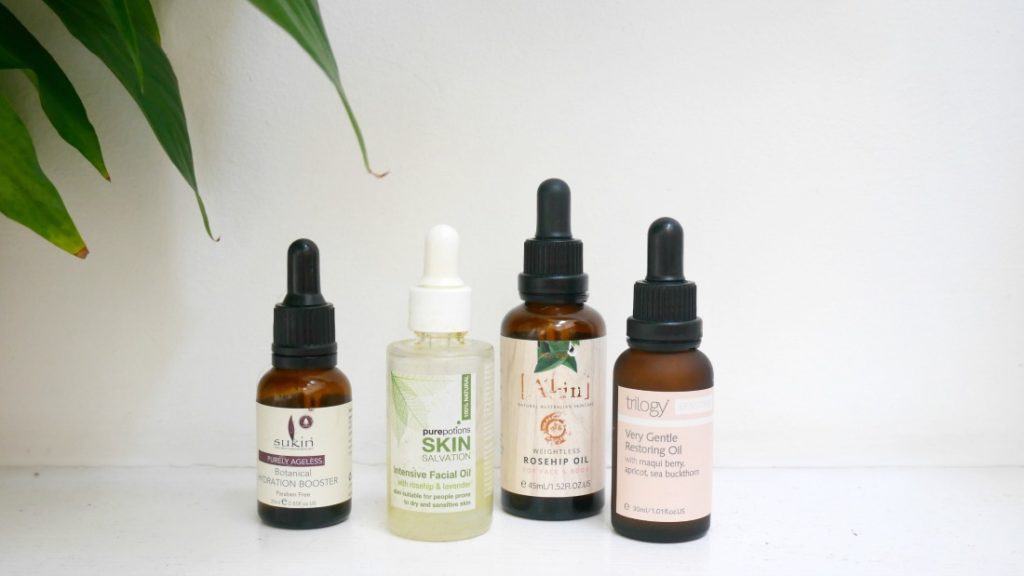
Combination skin can be tricky to manage. It typically features an oily T-zone (forehead, nose, and chin) along with dry or normal areas on the cheeks. Finding the right skincare products that balance both concerns is essential—and organic facial oils can be a great solution.
In this article, we’ll explore the best organic facial oils for combination skin, their benefits, how to use them, and tips for choosing the right one.
What is Combination Skin?
Combination skin means your face has multiple skin types at once. You may experience:
- Oily shine in the T-zone
- Dry or flaky patches on cheeks
- Occasional breakouts
- Uneven texture
Because of this mix, your skincare routine needs to hydrate dry areas without making oily zones worse.
Why Use Organic Facial Oils?
Organic facial oils are derived from natural plant-based ingredients without harmful chemicals or synthetic additives. They are rich in vitamins, antioxidants, and essential fatty acids that nourish the skin.
Benefits of Organic Facial Oils:
- Balance oil production
- Deeply hydrate the skin
- Improve skin texture
- Provide essential nutrients
- Reduce inflammation
Unlike common belief, the right facial oil won’t make your skin oilier—it can actually help regulate sebum production.
Best Organic Oils for Combination Skin
1. Jojoba Oil
Jojoba oil closely resembles the skin’s natural sebum, making it ideal for balancing oil production. It hydrates dry areas while controlling excess oil.
2. Rosehip Oil
Rich in vitamins A and C, rosehip oil helps brighten the skin and improve texture. It’s lightweight and absorbs quickly.
3. Argan Oil
Argan oil is packed with antioxidants and fatty acids. It hydrates without clogging pores and works well for both dry and oily areas.
4. Grapeseed Oil
This lightweight oil is perfect for oily zones. It helps tighten pores and reduce acne while keeping skin hydrated.
5. Tea Tree Oil (Diluted)
Known for its antibacterial properties, tea tree oil helps control acne in oily areas. Always dilute it before use.
Comparison Table of Organic Facial Oils
| Oil Type | Best For | Skin Benefit | Texture |
|---|---|---|---|
| Jojoba Oil | Oil balance | Mimics natural sebum | Lightweight |
| Rosehip Oil | Brightening | Improves skin tone | Light |
| Argan Oil | Hydration | Nourishes and softens | Medium |
| Grapeseed Oil | Oily areas | Tightens pores | Very light |
| Tea Tree Oil | Acne-prone skin | Fights bacteria | Thin (diluted) |
How to Use Facial Oils for Combination Skin
Using facial oils correctly is important to get the best results.
Step-by-Step Guide:
- Cleanse your face thoroughly
- Apply toner if needed
- Take 2–3 drops of oil
- Gently press it into your skin
- Focus on dry areas while using less on oily zones
You can use facial oils once or twice daily depending on your skin’s needs.
Tips for Choosing the Right Oil
Go for Non-Comedogenic Oils
These oils won’t clog pores, making them ideal for combination skin.
Choose Lightweight Formulas
Heavy oils can worsen oiliness in the T-zone.
Check for 100% Organic Labels
Ensure the product is free from synthetic chemicals and additives.
Patch Test First
Always test a small amount on your skin to avoid reactions.
Common Mistakes to Avoid
Using Too Much Oil
A few drops are enough. Overuse can make your skin greasy.
Applying on Dirty Skin
Always apply oil on clean skin for better absorption.
Ignoring Skin Changes
Your skin may change with seasons, so adjust your routine accordingly.
Mixing Too Many Products
Keep your skincare routine simple to avoid irritation.
Combining Facial Oils with Other Skincare Products
Facial oils work well with:
- Moisturizers
- Serums
- Sunscreen (daytime)
You can also include treatments like Best Face Masks for Glowing Skin at Home to enhance overall skin health and achieve better results.
Benefits of Regular Use
With consistent use, organic facial oils can:
- Balance oil and hydration levels
- Reduce breakouts
- Improve skin radiance
- Strengthen the skin barrier
FAQs
Are facial oils good for combination skin?
Yes, the right oils can balance oil production and hydrate dry areas without clogging pores.
Which oil is best for combination skin?
Jojoba oil is often considered the best because it mimics natural skin oils.
Can facial oils cause acne?
Some heavy oils can clog pores, but lightweight, non-comedogenic oils are generally safe.
How often should I use facial oil?
You can use it once or twice daily depending on your skin type.
Should I use oil before or after moisturizer?
Facial oil is usually applied after moisturizer to lock in hydration.
Are organic oils better than synthetic ones?
Organic oils are free from harmful chemicals and often provide better nourishment.
Conclusion
Organic facial oils can be a game-changer for combination skin when chosen and used correctly. They help balance oil production, hydrate dry areas, and improve overall skin health.