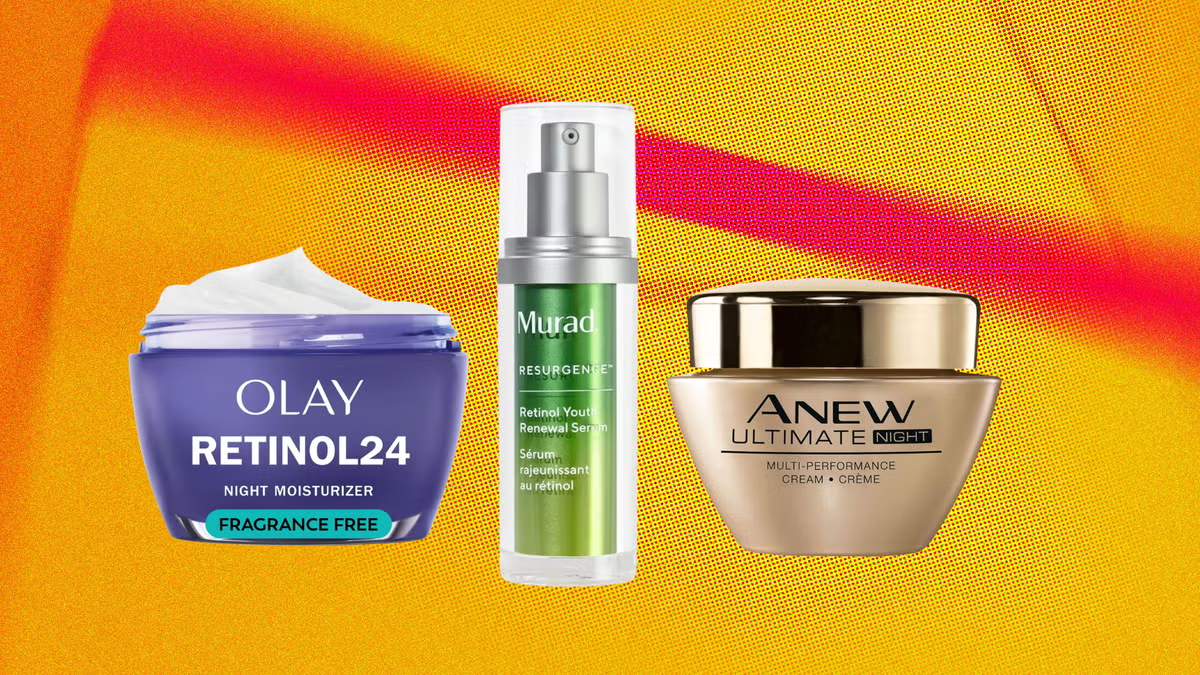
Retinol is widely regarded as one of the most effective ingredients in anti-aging skincare. Found in many night creams, it helps reduce fine lines, wrinkles, and uneven skin texture while promoting cell turnover and collagen production. Using a retinol night cream consistently can dramatically improve the appearance and health of your skin over time.
This guide will cover the benefits of retinol, how to choose the best anti-aging night cream, application tips, a comparison table, and FAQs to help you integrate retinol safely into your routine.
Why Retinol is Essential in Anti-Aging Skincare
Retinol, a derivative of vitamin A, works at a cellular level to:
- Promote collagen production
- Accelerate skin cell turnover
- Smooth fine lines and wrinkles
- Improve skin texture and tone
- Reduce age spots and hyperpigmentation
Because it can be potent, retinol is best used in night creams, as sunlight can reduce its effectiveness and increase skin sensitivity.
Choosing the Right Anti-Aging Night Cream with Retinol
When selecting a retinol night cream, consider the following:
1. Concentration of Retinol
- Beginners: 0.1–0.3% retinol is ideal
- Experienced users: 0.5–1% retinol for stronger effects
- Higher concentrations may require a gradual introduction
2. Skin Type Considerations
- Dry or sensitive skin: Look for hydrating ingredients like hyaluronic acid or ceramides
- Oily or acne-prone skin: Lightweight, non-comedogenic formulas work best, similar to the way you choose Best Facial Cleansers for Acne-Prone Skin
3. Additional Anti-Aging Ingredients
- Peptides for collagen support
- Niacinamide for soothing and brightening
- Antioxidants like vitamin C or green tea extract
4. Texture and Absorption
- Creams for dry skin
- Gels or emulsions for oily skin
- Smooth, non-greasy formulas absorb better overnight
Top Anti-Aging Night Creams with Retinol
1. Hydrating Retinol Cream
- Best For: Dry or sensitive skin
- Features: Combines retinol with hyaluronic acid for moisture
- Benefits: Reduces fine lines without irritation
2. Lightweight Retinol Gel
- Best For: Oily or combination skin
- Features: Fast-absorbing, non-comedogenic
- Benefits: Improves skin texture while preventing clogged pores
3. Retinol + Peptide Night Cream
- Best For: Advanced anti-aging
- Features: Combines retinol and peptides to boost collagen
- Benefits: Firms skin and minimizes wrinkles
4. Gentle Retinol Emulsion
- Best For: Beginners
- Features: Low concentration with soothing plant extracts
- Benefits: Introduces retinol gradually to reduce irritation
5. Anti-Aging Retinol Balm
- Best For: Mature, dry skin
- Features: Rich, nourishing texture with retinol and oils
- Benefits: Deep hydration and wrinkle reduction
Comparison Table of Retinol Night Creams
| Cream Type | Key Ingredients | Best For | Retinol Strength |
|---|---|---|---|
| Hydrating Retinol Cream | Retinol + Hyaluronic Acid | Dry/Sensitive Skin | 0.1–0.3% |
| Lightweight Retinol Gel | Retinol + Niacinamide | Oily/Combination Skin | 0.3–0.5% |
| Retinol + Peptide Cream | Retinol + Peptides | Advanced Anti-Aging | 0.5–1% |
| Gentle Retinol Emulsion | Retinol + Plant Extracts | Beginners | 0.1% |
| Anti-Aging Retinol Balm | Retinol + Oils | Mature/Dry Skin | 0.5–1% |
How to Apply Retinol Night Cream
- Cleanse Your Face: Use a gentle cleanser to remove dirt and oil
- Dry Your Skin: Pat skin dry; damp skin can increase irritation
- Apply a Small Amount: Start with a pea-sized amount for the entire face
- Avoid Sensitive Areas: Keep away from eyes, lips, and broken skin
- Moisturize: Layer a gentle moisturizer to reduce dryness or irritation
- Introduce Gradually: Start with 2–3 nights a week and increase frequency
Tips for Using Retinol Safely
- Always wear sunscreen during the day, as retinol increases sun sensitivity
- Avoid using strong acids or exfoliants on the same nights
- Patch test before full-face application
- Store in a cool, dark place to maintain potency
Common Mistakes to Avoid
- Using too much product at once
- Combining retinol with harsh scrubs or benzoyl peroxide
- Neglecting sunscreen during the day
- Expecting immediate results—retinol takes weeks to show effects
- Using high-strength retinol too early
FAQs
Can retinol cause irritation?
Yes, especially at the beginning. Introduce slowly and use hydrating products to reduce dryness.
When will I see results?
Visible improvement in texture and fine lines typically appears after 4–12 weeks of consistent use.
Can I use retinol with other anti-aging ingredients?
Yes, but avoid combining with strong acids on the same night to prevent irritation.
Is retinol safe for sensitive skin?
Yes, low-concentration formulas or retinol emulsions are suitable for sensitive skin.
Can retinol help with acne as well?
Yes, retinol promotes cell turnover and can prevent clogged pores, similar to the benefits of Best Facial Cleansers for Acne-Prone Skin.
Conclusion
Anti-aging night creams with retinol are highly effective for reducing fine lines, wrinkles, and uneven texture. By choosing the right formula for your skin type, introducing it gradually, and pairing it with proper hydration and sun protection, you can achieve smoother, more youthful skin over time.