
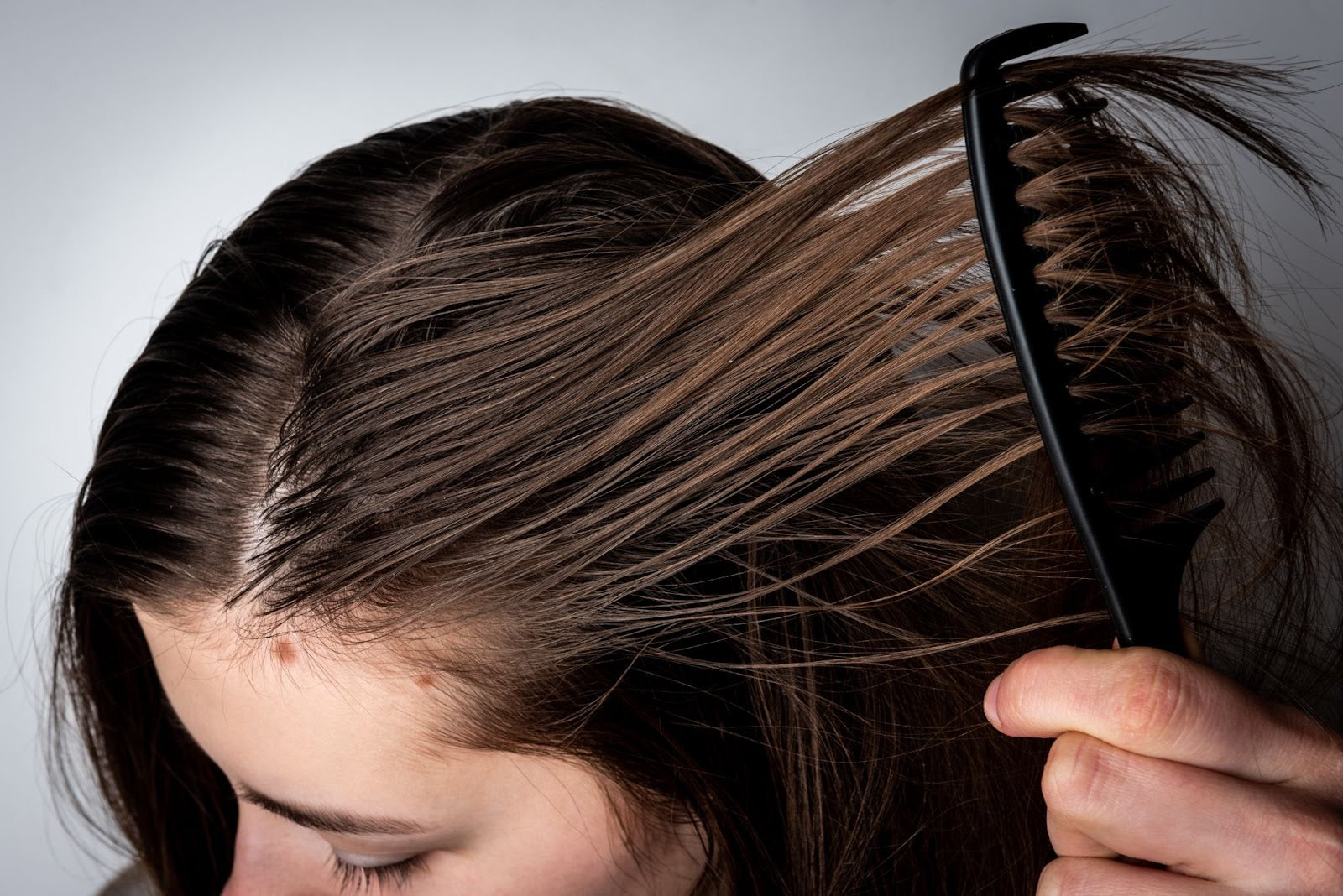
An oily scalp and greasy hair can be frustrating, affecting not just your appearance but also your confidence. While it’s normal for your scalp to produce natural oils (sebum) to keep hair healthy, excessive oil production can lead to limp, heavy hair and even scalp issues. The good news is that you can manage and treat an oily scalp naturally—without relying on harsh chemicals.
This guide will walk you through effective, natural remedies, lifestyle changes, and hair care tips to restore balance and keep your scalp fresh.
What Causes an Oily Scalp?
Understanding the root cause is the first step toward effective treatment. Common causes include:
- Overactive sebaceous glands
- Hormonal imbalances
- Washing hair too frequently
- Product buildup
- Poor diet
- Stress
When your scalp is stripped of natural oils due to over-washing or harsh shampoos, it may produce even more oil to compensate.
Signs You Have an Oily Scalp
- Hair becomes greasy within a day of washing
- Flat, lifeless hair with no volume
- Itchy or irritated scalp
- Dandruff or buildup
Natural Remedies for Oily Scalp and Hair
1. Apple Cider Vinegar Rinse
Apple cider vinegar helps balance the scalp’s pH and removes excess oil.
How to use:
- Mix 2–3 tablespoons with a cup of water
- Apply after shampooing
- Leave for a few minutes, then rinse
2. Aloe Vera Treatment
Aloe vera soothes the scalp and controls oil production naturally.
How to use:
- Apply fresh aloe vera gel directly to the scalp
- Leave for 20–30 minutes
- Rinse with lukewarm water
3. Tea Tree Oil
Known for its antibacterial properties, tea tree oil helps reduce oil and dandruff.
How to use:
- Add a few drops to your shampoo
- Use 2–3 times a week
4. Lemon Juice Rinse
Lemon helps cut through grease and refresh the scalp.
How to use:
- Mix juice of one lemon with water
- Apply after washing
- Rinse thoroughly
5. Multani Mitti (Fuller’s Earth) Mask
This natural clay absorbs excess oil effectively.
How to use:
- Mix with water to form a paste
- Apply to scalp
- Leave for 20 minutes, then rinse
Best Natural Ingredients for Oily Hair
| Ingredient | Benefits | How to Use |
|---|---|---|
| Aloe Vera | Soothes and controls oil | Apply gel directly |
| Apple Cider Vinegar | Balances pH and removes buildup | Use as a rinse |
| Lemon Juice | Reduces grease and refreshes | Diluted rinse |
| Tea Tree Oil | مكافحة البكتيريا وتقليل الدهون | Add to shampoo |
| Multani Mitti | Absorbs excess oil | Weekly hair mask |
Hair Care Tips to Control Oil Naturally
1. Don’t Overwash Your Hair
Washing too often strips natural oils, causing your scalp to produce more oil. Aim for 2–3 washes per week.
2. Use a Mild, Sulfate-Free Shampoo
Harsh shampoos can worsen oiliness. Choose gentle, natural formulas.
3. Avoid Heavy Conditioners on the Scalp
Apply conditioner only to the ends of your hair—not the roots.
4. Rinse with Lukewarm Water
Hot water stimulates oil production. Stick to lukewarm or cool water.
5. Keep Your Brushes Clean
Dirty brushes can transfer oil and dirt back onto your scalp.
6. Maintain a Healthy Diet
Include foods rich in vitamins and minerals:
- Leafy greens
- Nuts and seeds
- Fruits
- Whole grains
Lifestyle Changes That Help
- Reduce stress: Stress can increase oil production
- Stay hydrated: Proper hydration supports scalp health
- Avoid touching your hair frequently: This transfers oil from your hands
Common Mistakes to Avoid
- Using too many styling products
- Skipping regular cleansing
- Applying oils excessively
- Ignoring scalp hygiene
Natural vs Chemical Treatments
Natural remedies are gentler and less likely to cause long-term damage. While chemical treatments may provide quick fixes, they can disrupt your scalp’s natural balance over time.
If you’re already switching to cleaner beauty options—like using Vegan Blushes That Suit All Skin Tones in your makeup routine—it makes sense to extend that philosophy to your hair care as well.
FAQs
1. How often should I wash oily hair?
2–3 times a week is ideal. Overwashing can worsen oil production.
2. Can oily scalp cause hair loss?
Yes, excessive oil can clog hair follicles, potentially leading to hair fall if not managed properly.
3. Is oiling good for an oily scalp?
Use lightweight oils sparingly and avoid frequent oiling, as it may increase greasiness.
4. Which natural remedy works fastest?
Apple cider vinegar rinses often provide quick results by removing buildup and balancing pH.
5. Can diet affect scalp oiliness?
Absolutely. A balanced diet helps regulate oil production and improves overall scalp health.
Final Thoughts
Treating an oily scalp and hair naturally is not only possible but highly effective with consistent care. By using simple ingredients like aloe vera, apple cider vinegar, and lemon, along with adopting healthier hair habits, you can restore balance and enjoy fresher, lighter hair.