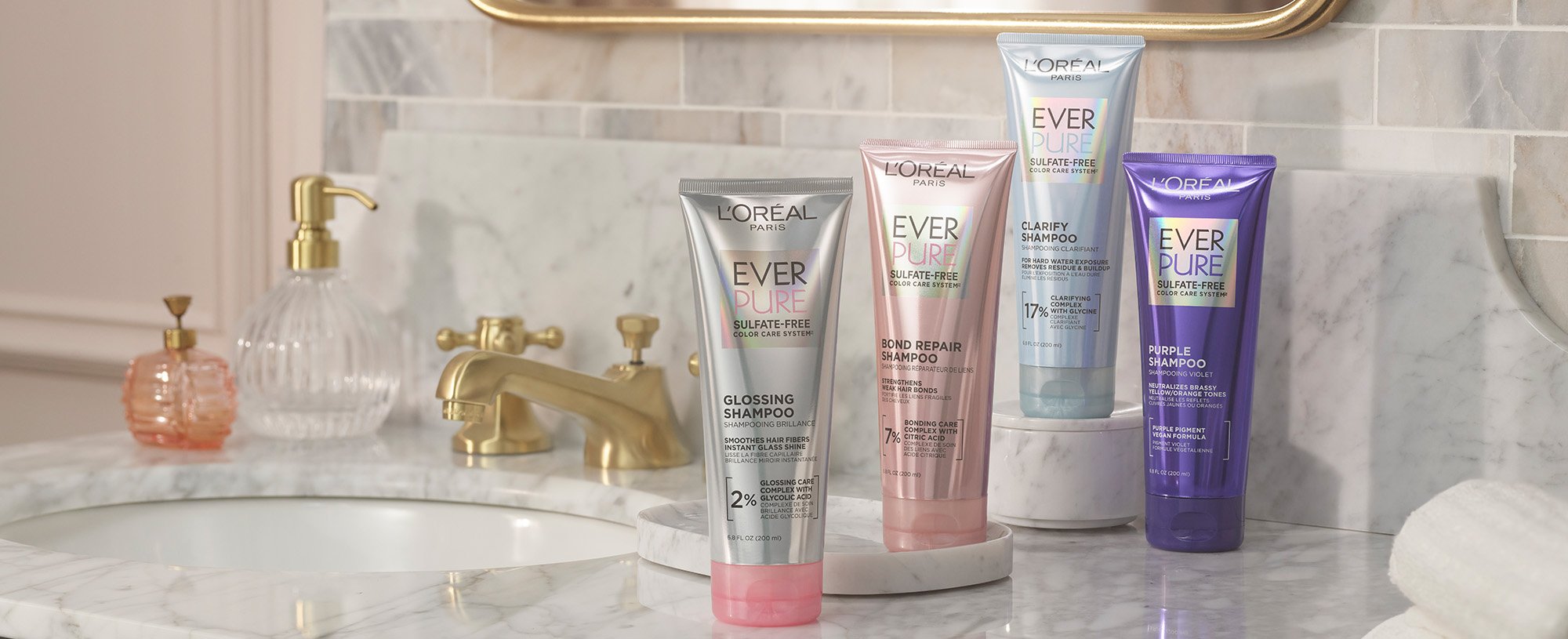
Damaged hair needs gentle care, especially when it has been exposed to heat styling, coloring, pollution, or harsh chemical products. One of the most effective ways to restore hair health is by switching to sulfate-free shampoos. These shampoos cleanse the hair without stripping away natural oils, helping repair dryness, breakage, and frizz over time.
In this guide, we’ll explore the best sulfate-free shampoos for damaged hair repair, how they work, and how to choose the right one for your hair type.
Why Sulfate-Free Shampoos Are Better for Damaged Hair
Sulfates are strong cleansing agents found in many traditional shampoos. While they remove dirt effectively, they can also strip away natural oils, leaving hair dry and brittle.
Benefits of sulfate-free shampoos:
- Preserve natural moisture
- Reduce hair breakage
- Improve softness and shine
- Gentle on colored or chemically treated hair
- Suitable for sensitive scalps
Switching to sulfate-free formulas is one of the first steps in repairing damaged hair.
Top Ingredients to Look For
When choosing a sulfate-free shampoo, check for nourishing ingredients such as:
- Argan oil: Restores shine and smoothness
- Keratin: Strengthens damaged strands
- Coconut oil: Deep hydration and repair
- Aloe vera: Soothes scalp and reduces dryness
- Biotin: Supports hair growth and thickness
These ingredients help rebuild hair structure from root to tip.
Best Sulfate-Free Shampoos for Damaged Hair Repair
Here are some key types of sulfate-free shampoos that are ideal for repairing damaged hair:
1. Argan Oil-Based Shampoos
These shampoos are rich in essential fatty acids that deeply nourish dry and brittle hair.
Best for:
- Frizzy hair
- Heat-damaged hair
- Lack of shine
They help restore softness and improve manageability.
2. Keratin Repair Shampoos
Keratin-infused shampoos help rebuild weakened hair structure.
Benefits:
- Reduces breakage
- Strengthens hair strands
- Smooths rough texture
Ideal for chemically treated or color-damaged hair.
3. Coconut Milk Shampoos
Coconut-based formulas provide deep hydration.
Advantages:
- Prevents protein loss
- Adds moisture
- Improves elasticity
Great for extremely dry and dull hair.
4. Aloe Vera Gentle Cleansing Shampoos
These shampoos are perfect for sensitive scalps.
Benefits:
- Soothes irritation
- Reduces dryness
- Promotes scalp health
Best for everyday mild cleansing.
5. Biotin-Enriched Shampoos
Biotin supports stronger and thicker hair growth.
Why choose it:
- Strengthens roots
- Reduces thinning
- Encourages healthier regrowth
Hair Care Routine for Damaged Hair Repair
Switching shampoos alone is not enough. A complete routine is essential for visible results.
| Step | Routine Action |
|---|---|
| Wash | Use sulfate-free shampoo 2–3 times/week |
| Condition | Deep condition after every wash |
| Oil Treatment | Apply oil 1–2 times weekly |
| Mask | Use hair mask once a week |
| Protection | Avoid excessive heat styling |
Consistency is key to repairing damage.
Tips to Maximize Hair Repair
1. Avoid Hot Water
Use lukewarm water to prevent moisture loss.
2. Limit Heat Styling Tools
Reduce use of straighteners and blow dryers.
3. Trim Split Ends Regularly
Trimming prevents damage from spreading.
4. Use a Wide-Tooth Comb
This reduces breakage and hair fall.
5. Stay Hydrated and Eat Well
Healthy hair starts from within.
Common Mistakes to Avoid
- Using harsh shampoos too frequently
- Skipping conditioner
- Overwashing hair
- Ignoring scalp health
- Expecting instant repair
Hair repair takes time and consistency.
How Long Does Hair Repair Take?
Visible improvement usually takes 3–6 weeks, depending on damage level and routine consistency. Severe damage may take a few months to fully recover.
Connection to Skin and Hair Care Balance
Healthy grooming is not just about hair—it’s part of a full self-care routine. Just like skincare routines such as How to Remove Blackheads from Nose Permanently at Home focus on consistency and gentle care, hair repair also requires patience and the right products.
FAQs
1. Are sulfate-free shampoos good for all hair types?
Yes, they are especially beneficial for dry, damaged, and color-treated hair.
2. Can sulfate-free shampoo repair hair damage completely?
It helps improve and restore hair health, but extreme damage may also need trimming and deep treatments.
3. How often should I wash damaged hair?
2–3 times per week is ideal.
4. Do sulfate-free shampoos foam less?
Yes, they produce less foam but still clean effectively.
5. Can I use sulfate-free shampoo daily?
It is not necessary; over-washing can still dry out hair.
Final Thoughts
Choosing the best sulfate-free shampoos for damaged hair repair is one of the most effective steps toward restoring healthy, strong, and shiny hair. Combined with a proper hair care routine, healthy lifestyle, and consistent treatment, you can gradually reverse damage and improve overall hair texture.