
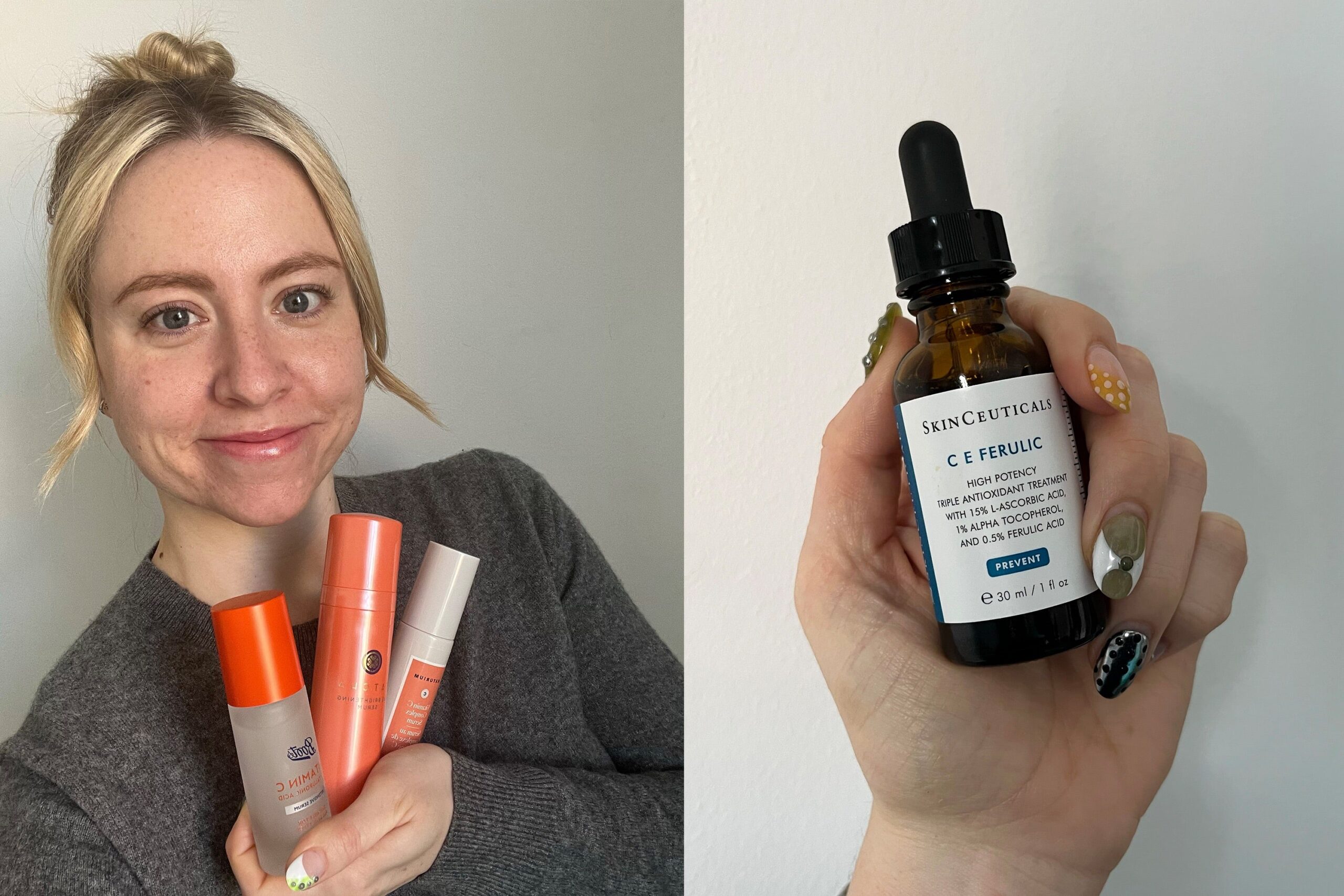
Dark spots on sensitive skin can be frustrating to treat because many strong active ingredients cause irritation, redness, or dryness. Vitamin C is one of the most effective ingredients for fading hyperpigmentation, brightening skin tone, and improving overall radiance—but not all Vitamin C serums are suitable for sensitive skin types.
Choosing the right formula is important because sensitive skin needs a gentle, stable, and non-irritating version of Vitamin C to avoid flare-ups while still targeting dark spots effectively.
This guide explains how Vitamin C works, what to look for in a serum, and the best types of formulations for sensitive skin dealing with dark spots.
Why Vitamin C Is Effective for Dark Spots
Vitamin C is a powerful antioxidant that helps improve skin tone and texture.
Key Benefits
- Fades dark spots and acne marks
- Brightens dull skin
- Boosts collagen production
- Protects against environmental damage
- Improves overall skin radiance
It works by reducing excess melanin production in the skin, which helps lighten pigmentation over time.
Why Sensitive Skin Needs Special Care
Sensitive skin reacts easily to strong ingredients, especially high concentrations of Vitamin C.
Common Reactions
- Redness
- Tingling or burning sensation
- Dry patches
- Breakouts
That’s why gentle formulations are essential for safe and effective results.
Best Types of Vitamin C for Sensitive Skin
Not all Vitamin C forms are the same.
1. Sodium Ascorbyl Phosphate (SAP)
- Very gentle and stable
- Suitable for acne-prone sensitive skin
- Helps reduce pigmentation slowly but safely
2. Magnesium Ascorbyl Phosphate (MAP)
- Hydrating and mild
- Less irritating than pure Vitamin C
- Good for beginners
3. Ascorbyl Glucoside
- Slow-release Vitamin C
- Stable and less harsh
- Ideal for sensitive skin
These derivatives are safer than pure L-ascorbic acid for reactive skin types.
How to Choose the Best Vitamin C Serum
Key Factors to Consider
- Low concentration (5%–10% is ideal for sensitive skin)
- Fragrance-free formula
- Alcohol-free product
- Added soothing ingredients
- Stable packaging (dark or airless bottles)
Soothing Ingredients to Look For
Vitamin C works better when paired with calming ingredients.
Helpful Ingredients
- Niacinamide (reduces redness and strengthens barrier)
- Hyaluronic acid (hydrates skin)
- Centella asiatica (soothes irritation)
- Vitamin E (enhances antioxidant protection)
These help balance Vitamin C’s potency and reduce irritation risk.
How to Use Vitamin C Serum Safely
Morning Routine Steps
- Gentle cleanser
- Vitamin C serum
- Moisturizer
- Sunscreen
Important Tips
- Start using 2–3 times per week
- Apply on dry skin
- Always follow with sunscreen
- Avoid combining with strong exfoliants initially
Best Practices for Sensitive Skin
Start Slow
Introduce Vitamin C gradually to build tolerance.
Patch Test First
Always test on a small area before full application.
Avoid Layering Too Many Actives
Do not mix with strong acids or retinoids at the same time initially.
How Long It Takes to See Results
Expected Timeline
- 2–4 weeks: Improved brightness
- 6–8 weeks: Reduction in dark spots
- 3+ months: More even skin tone
Consistency is more important than high concentration.
Common Mistakes to Avoid
Using Too Strong a Formula
High-strength Vitamin C can irritate sensitive skin.
Skipping Sunscreen
Without SPF, dark spots can return or worsen.
Overusing Products
Too many actives can damage the skin barrier.
Vitamin C vs Other Brightening Ingredients
While Vitamin C is highly effective, it is not the only option.
Comparison
- Vitamin C: Brightens and protects
- Niacinamide: Reduces redness and pigmentation
- Alpha arbutin: Gently fades dark spots
A combination approach often works best for sensitive skin.
Supporting Your Routine with Gentle Skincare
A well-balanced skincare routine improves Vitamin C results.
Hydration, barrier repair, and gentle cleansing are essential. Many people who follow a Beginner Friendly Korean Glass Skin Routine at Home already benefit from layering hydration, which helps improve skin tolerance to active ingredients like Vitamin C.
Lifestyle Tips to Reduce Dark Spots
Skincare works best when combined with healthy habits.
Helpful Habits
- Use sunscreen daily
- Avoid picking acne
- Drink plenty of water
- Eat antioxidant-rich foods
- Get enough sleep
These habits support faster skin healing.
Frequently Asked Questions
Can sensitive skin use Vitamin C serum?
Yes, but it should be a gentle derivative and introduced slowly.
What is the safest Vitamin C for beginners?
Sodium Ascorbyl Phosphate and Magnesium Ascorbyl Phosphate are best for beginners.
Can Vitamin C remove dark spots completely?
It can significantly fade them, but results depend on consistency and skin type.
Should I use Vitamin C in the morning or night?
Morning use is preferred because it also helps protect against environmental damage.
Can I use Vitamin C every day?
Yes, but sensitive skin should start a few times per week first.
Final Thoughts
Vitamin C is one of the most effective ingredients for treating dark spots, but sensitive skin requires a gentle and carefully chosen formula. By selecting the right type of Vitamin C, using it consistently, and supporting it with hydration and sunscreen, you can gradually achieve a brighter and more even complexion without irritation.