
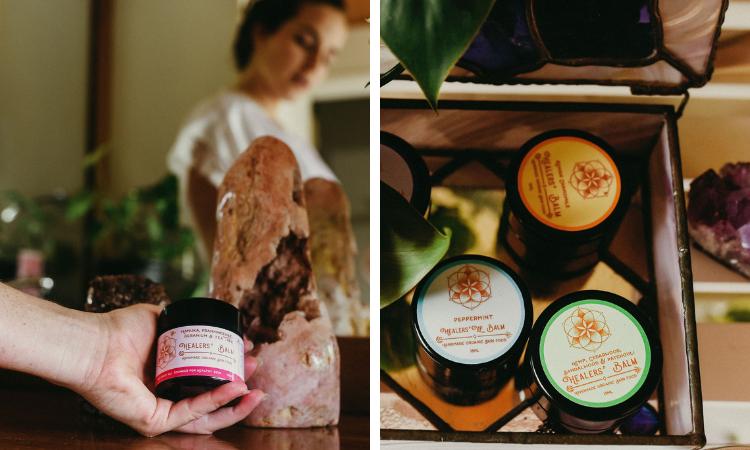
Sensitive allergic skin requires extra care because even small amounts of harsh chemicals, fragrances, or artificial ingredients can trigger redness, itching, dryness, or breakouts. Many people with sensitive skin struggle to find products that calm irritation instead of making it worse. That is why organic skincare has become increasingly popular for people looking for gentle and natural solutions.
An organic skincare routine focuses on clean, plant-based ingredients that help nourish and protect the skin barrier without exposing it to unnecessary irritants. However, not every natural ingredient is automatically safe for allergic skin, so choosing the right products and following a proper routine is essential.
This guide explains how to build an effective organic skincare routine for sensitive allergic skin types while avoiding common mistakes that can worsen irritation.
Understanding Sensitive Allergic Skin
Sensitive allergic skin reacts easily to environmental triggers, skincare ingredients, weather changes, or stress. Common symptoms include:
- Redness
- Burning sensation
- Dry patches
- Itching
- Flaking
- Rashes
- Swelling
- Acne-like bumps
People with this skin type often have a weakened skin barrier, making it easier for allergens and irritants to penetrate the skin.
Organic skincare can help because many products avoid synthetic fragrances, parabens, sulfates, and harsh preservatives that frequently trigger allergic reactions.
Benefits of an Organic Skincare Routine
Organic skincare products are typically made with naturally derived ingredients that are gentler on sensitive skin.
Some major benefits include:
- Fewer artificial chemicals
- Reduced irritation risk
- Better hydration
- Improved skin barrier support
- Antioxidant-rich plant extracts
- Environmentally friendly ingredients
However, it is still important to patch test every product because natural ingredients like essential oils can also cause allergic reactions in some individuals.
Morning Organic Skincare Routine
A simple morning routine helps protect sensitive skin throughout the day without overwhelming it.
| Step | Purpose | Recommended Organic Ingredients |
|---|---|---|
| Gentle Cleanser | Removes overnight oil and dirt | Aloe vera, oat extract, chamomile |
| Hydrating Toner | Soothes and refreshes skin | Rose water, cucumber extract |
| Lightweight Serum | Adds hydration and protection | Hyaluronic acid, green tea |
| Moisturizer | Strengthens skin barrier | Shea butter, jojoba oil |
| Mineral Sunscreen | Protects from UV damage | Zinc oxide, titanium dioxide |
Consistency is more important than using too many products.
Step 1: Use a Gentle Organic Cleanser
Cleansing removes dirt, sweat, and bacteria without stripping natural oils.
Choose sulfate-free organic cleansers containing calming ingredients such as:
- Aloe vera
- Oatmeal
- Calendula
- Chamomile
- Coconut-derived cleansers
Avoid products with strong fragrances or alcohol because they can increase dryness and irritation.
Wash your face using lukewarm water because hot water can trigger redness and inflammation.
Step 2: Apply a Soothing Toner
A toner helps rebalance the skin after cleansing.
For sensitive allergic skin, choose alcohol-free organic toners made with soothing botanicals such as:
- Rose water
- Cucumber extract
- Green tea
- Witch hazel without alcohol
Apply toner gently with clean hands or a soft cotton pad.
Step 3: Use a Lightweight Organic Serum
Serums provide concentrated hydration and nutrients.
Sensitive skin benefits from ingredients that strengthen the skin barrier and reduce inflammation.
Look for organic serums containing:
- Hyaluronic acid
- Vitamin B5
- Green tea extract
- Licorice root
- Niacinamide
Avoid high concentrations of acids or retinol if your skin reacts easily.
Step 4: Moisturize Daily
Moisturizing is one of the most important steps for allergic skin because it helps lock in hydration and protect the skin barrier.
Organic moisturizers with simple ingredient lists are often the safest option.
Helpful moisturizing ingredients include:
- Shea butter
- Jojoba oil
- Squalane
- Avocado oil
- Aloe vera
Heavy fragranced creams should be avoided because fragrance is a common trigger for allergic reactions.
Step 5: Never Skip Sunscreen
Sensitive skin is highly vulnerable to sun damage and inflammation.
Mineral sunscreens are usually better tolerated than chemical sunscreens because they sit on top of the skin rather than absorbing into it.
Choose sunscreens with:
- Zinc oxide
- Titanium dioxide
- Fragrance-free formulas
- Non-comedogenic ingredients
Daily sun protection helps prevent redness, hyperpigmentation, and premature aging.
Nighttime Organic Skincare Routine
Nighttime skincare focuses on repair and recovery.
Your evening routine can include:
- Gentle cleanser
- Hydrating toner
- Calming serum
- Rich moisturizer
- Optional facial oil
At night, the skin naturally repairs itself, making hydration especially important.
Best Organic Ingredients for Sensitive Allergic Skin
Some natural ingredients are especially beneficial for calming irritated skin.
Aloe Vera
Aloe vera hydrates and cools inflamed skin naturally.
Oat Extract
Oat-based skincare helps relieve itching and redness.
Chamomile
Chamomile contains anti-inflammatory properties that soothe irritation.
Calendula
Calendula supports skin healing and reduces dryness.
Jojoba Oil
Jojoba oil closely resembles the skin’s natural oils and helps maintain moisture balance.
Ingredients to Avoid
Even organic skincare products can contain irritating ingredients.
People with sensitive allergic skin should avoid:
- Artificial fragrance
- Essential oils in high amounts
- Sulfates
- Harsh scrubs
- Alcohol-based products
- Synthetic dyes
- Strong exfoliating acids
Reading ingredient labels carefully is essential before trying any new product.
Importance of Patch Testing
Patch testing helps prevent severe reactions.
Before using a new skincare product:
- Apply a small amount behind the ear or inner arm
- Wait 24 to 48 hours
- Watch for redness, itching, or swelling
If irritation occurs, stop using the product immediately.
Lifestyle Tips for Healthier Sensitive Skin
Skincare products alone are not enough to maintain calm skin. Lifestyle habits also affect skin sensitivity.
Helpful habits include:
- Drinking enough water
- Eating antioxidant-rich foods
- Reducing stress
- Sleeping properly
- Avoiding smoking
- Using clean pillowcases
- Limiting excessive exfoliation
Healthy daily habits improve overall skin resilience over time.
Common Mistakes to Avoid
Using Too Many Products
Overloading sensitive skin with multiple active ingredients can weaken the skin barrier.
Over-Exfoliating
Excess exfoliation often leads to redness and irritation.
Trying Trending Products Without Research
Popular skincare trends may not be suitable for allergic skin types.
Ignoring Ingredient Labels
Always check ingredient lists carefully, even for products labeled natural or organic.
FAQs
Is organic skincare better for sensitive skin?
Organic skincare can be gentler because it often avoids harsh chemicals, but patch testing is still necessary since natural ingredients can also trigger allergies.
Can sensitive skin use essential oils?
Some essential oils may irritate allergic skin. It is safer to use fragrance-free or low-fragrance products.
How often should sensitive skin exfoliate?
Most sensitive skin types should exfoliate only once every one to two weeks using mild exfoliants.
What is the best moisturizer for allergic skin?
Fragrance-free moisturizers with soothing ingredients like aloe vera, shea butter, and jojoba oil are usually effective.
Can diet affect sensitive skin?
Yes. Poor diet, dehydration, and food allergies can contribute to skin inflammation and irritation.
Final Thoughts
Building an organic skincare routine for sensitive allergic skin requires patience, consistency, and careful product selection. Gentle cleansing, proper hydration, and barrier protection are the foundation of healthy skin.