A Complete, Safe Guide to Fading Dark Spots and Evening Skin Tone
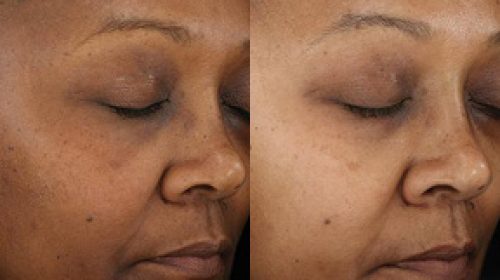
Hyperpigmentation is one of the most common skin concerns in people with darker skin tones. It appears as dark patches, uneven skin tone, or stubborn marks left behind after acne, cuts, or inflammation. While it is completely harmless, it can be persistent and frustrating to treat.
The good news is that hyperpigmentation on dark skin responds well to the right combination of skincare, sun protection, and consistency. The key is using gentle, targeted treatments that fade dark spots without irritating the skin or triggering more pigmentation.
This guide explains how to treat hyperpigmentation on dark skin tone safely and effectively, what ingredients work best, and what to avoid.
What Is Hyperpigmentation?
Hyperpigmentation occurs when the skin produces excess melanin in certain areas, leading to darker patches or spots.
Common Types
- Post-inflammatory hyperpigmentation (PIH): Dark marks after acne, cuts, or irritation
- Sun-induced pigmentation: Caused by UV exposure
- Melasma: Hormonal pigmentation, often on cheeks and forehead
- Freckles and sun spots: Small dark patches due to sun damage
In darker skin tones, PIH is especially common because melanocytes (pigment-producing cells) are more reactive to inflammation.
Why Dark Skin Is More Prone to Hyperpigmentation
Dark skin contains more active melanocytes, which means it produces pigment more easily in response to irritation.
Common Triggers
- Acne breakouts
- Picking or scratching skin
- Harsh skincare products
- Sun exposure without protection
- Waxing or shaving irritation
- Chemical burns or over-exfoliation
Even minor inflammation can lead to visible dark spots.
Key Rule for Treating Hyperpigmentation
The most important rule is:
Treat gently and consistently, not aggressively
Harsh treatments can worsen pigmentation and cause more damage.
Step-by-Step Routine to Treat Hyperpigmentation
Morning Routine
1. Gentle Cleanser
Use a mild, non-stripping cleanser to avoid irritation.
2. Brightening Serum
Look for ingredients that help reduce melanin production and brighten skin tone.
Effective Ingredients:
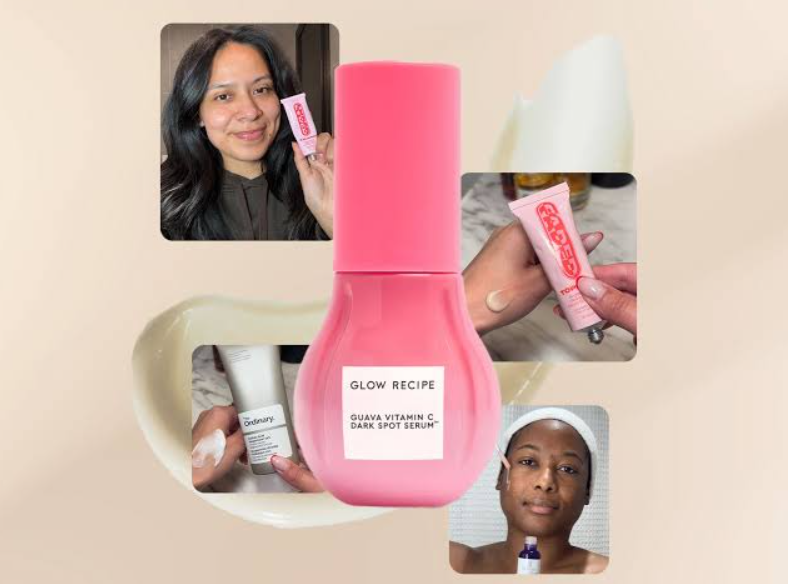
- Vitamin C
- Niacinamide
- Alpha arbutin
3. Moisturizer
Hydration supports skin healing and barrier repair.
4. Sunscreen (Most Important Step)
Sunscreen prevents existing dark spots from getting worse.
Key Features:
- SPF 30 or higher
- Broad-spectrum protection
- Non-greasy formula
Without sunscreen, hyperpigmentation will not fade effectively.
Night Routine
1. Cleanser
Removes oil, dirt, and sunscreen.
2. Treatment Serum
Night is the best time to use active ingredients.
Best Options:
- Retinoids (retinol or adapalene)
- Azelaic acid
- Niacinamide
- Tranexamic acid
3. Moisturizer
Helps repair the skin barrier and reduce irritation from actives.
Best Ingredients for Hyperpigmentation in Dark Skin
1. Niacinamide
One of the safest and most effective ingredients for dark skin tones.
Benefits:
- Reduces dark spots
- Controls oil
- Strengthens skin barrier
2. Vitamin C
Brightens skin and reduces oxidative stress.
Benefits:
- Fades pigmentation
- Improves radiance
- Boosts collagen production
3. Azelaic Acid
Highly recommended for post-acne marks and sensitive skin.
Benefits:
- Reduces inflammation
- Fades dark spots
- Helps acne at the same time
4. Retinoids
Increase cell turnover to fade pigmentation faster.
Benefits:
- Smooths skin texture
- Speeds up fading of dark spots
- Prevents new acne
5. Alpha Arbutin
A gentle skin-brightening ingredient.
Benefits:
- Reduces melanin production
- Safe for long-term use
- Works well with other actives
6. Sunscreen
The most critical part of any pigmentation treatment plan.
Benefits:
- Prevents new pigmentation
- Protects healing skin
- Improves results of all other treatments
What to Avoid When Treating Hyperpigmentation
Over-Exfoliation
Too many acids can cause irritation and worsen pigmentation.
Harsh Scrubs
Physical scrubs can damage the skin barrier.
Picking Pimples
This is one of the main causes of dark spots in darker skin tones.
Skipping Sunscreen
Without SPF, pigmentation will continue to return or worsen.
Professional Treatments for Stubborn Hyperpigmentation
If skincare alone is not enough, dermatological treatments may help.
Options Include:
- Chemical peels (gentle formulations)
- Microneedling
- Laser treatments (for trained professionals only)
- Prescription creams
Always consult a dermatologist, especially for deeper pigmentation or melasma.
How Long Does It Take to Fade Hyperpigmentation?
Fading depends on severity and consistency of treatment.
| Type of Pigmentation | Estimated Time |
|---|---|
| Mild marks | 4–8 weeks |
| Moderate spots | 2–4 months |
| Deep pigmentation | 6+ months |
Consistency is more important than speed.
Lifestyle Tips for Better Results
Stay Consistent
Daily routine matters more than strong products.
Protect From Sun Daily
Even indoor sunlight can worsen pigmentation.
Avoid Skin Irritation
Switch to gentle skincare and avoid over-treatment.
Support Skin Healing
- Drink enough water
- Maintain a balanced diet
- Get adequate sleep
Common Mistakes in Treating Dark Skin Hyperpigmentation
Using Too Many Active Ingredients
Combining too many treatments can damage the skin barrier.
Expecting Quick Results
Hyperpigmentation fades slowly, especially in darker skin tones.
Using Bleaching Products
Unsafe whitening products can permanently damage skin.
Ignoring Sunscreen Indoors
UV exposure still occurs through windows and screens.
Frequently Asked Questions
Can Hyperpigmentation Go Away Completely?
Yes, most cases can fade significantly with consistent treatment, though some deep marks may take longer.
What Is the Fastest Way to Treat Dark Spots?
A combination of sunscreen, retinoids, and ingredients like niacinamide or azelaic acid works best.
Is Vitamin C Safe for Dark Skin?
Yes, vitamin C is safe and highly effective for brightening and reducing dark spots.
Can Scrubbing Help Remove Pigmentation?
No. Physical scrubbing can worsen pigmentation by irritating the skin.
Why Does My Hyperpigmentation Keep Coming Back?
Usually due to sun exposure, new breakouts, or inconsistent skincare.
Conclusion
Learning how to treat hyperpigmentation on dark skin tone requires patience, consistency, and the right approach. Because darker skin is more reactive to inflammation, gentle treatment is essential to avoid worsening pigmentation.
Using ingredients like niacinamide, vitamin C, azelaic acid, and retinoids—combined with daily sunscreen—can significantly improve skin tone over time. Avoiding irritation and protecting the skin barrier are just as important as using active ingredients.
With a steady routine and proper care, hyperpigmentation can fade gradually, revealing a more even, healthy, and radiant complexion.