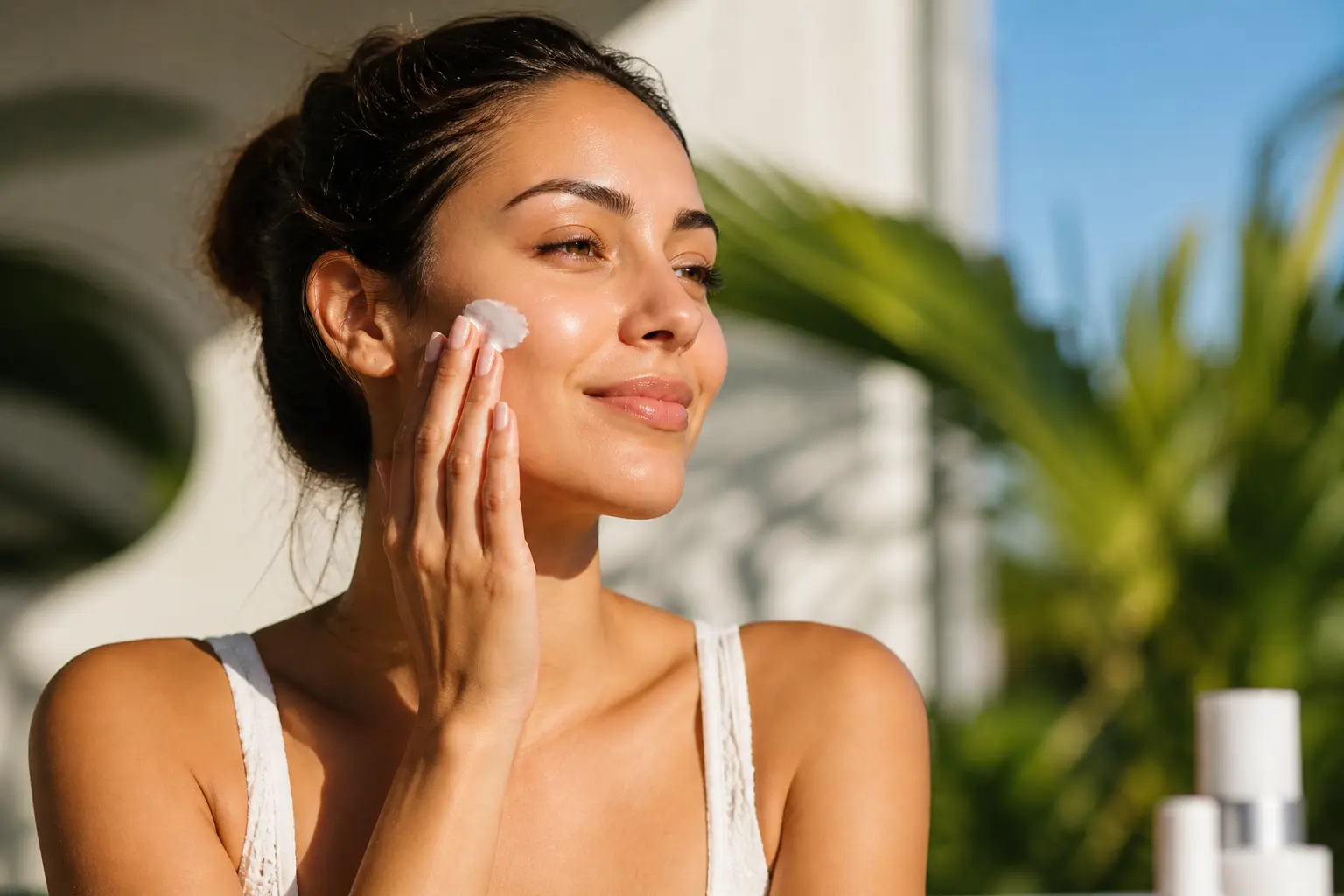
Maintaining youthful-looking skin requires more than just targeting fine lines and wrinkles. Hydration plays a major role in supporting healthy skin because well-moisturized skin often appears smoother, softer, and more radiant.
Many people focus only on anti-aging products but overlook the importance of maintaining the skin barrier and moisture levels. Combining hydration and anti-aging skincare products correctly can create a balanced routine that supports firmness, texture, and overall skin health.
This guide explains the best ways to combine hydrating and anti-aging skincare products, which ingredients work well together, and how to build an effective routine.
Why Hydration Matters in Anti-Aging Skincare
As skin ages, it may naturally produce less moisture and become more prone to dryness. Dehydrated skin can make fine lines appear more noticeable and may affect the overall smoothness of the complexion.
Hydrating skincare helps:
- Improve skin softness
- Support a healthy skin barrier
- Reduce the appearance of dryness
- Create a smoother-looking surface
When hydration is combined with targeted anti-aging ingredients, the skin may look healthier and more refreshed.
Understand the Role of Anti-Aging Ingredients
Anti-aging skincare products often focus on improving the appearance of:
- Fine lines
- Uneven texture
- Loss of firmness
- Dullness
Common anti-aging ingredients include:
- Retinol
- Peptides
- Vitamin C
- Antioxidants
- Alpha hydroxy acids (AHAs)
These ingredients can be effective, but some may cause dryness or sensitivity if not balanced with proper hydration.
Start With Hydrating Ingredients
Hydrating products create the foundation of an anti-aging routine.
Look for ingredients such as:
Hyaluronic Acid
Hyaluronic Acid helps attract moisture and supports a plumper-looking appearance.
Ceramides
Ceramides help strengthen the skin barrier and prevent moisture loss.
Glycerin
Glycerin is a humectant that helps maintain hydration.
Squalane
Squalane helps soften the skin and support moisture balance.
These ingredients can make anti-aging routines more comfortable and easier to maintain.
Combine Retinol With Hydration
Retinol is one of the most popular anti-aging ingredients, but it can sometimes cause dryness when introduced.
A balanced approach includes:
- Gentle cleanser
- Hydrating serum
- Retinol product
- Moisturizer
Using a moisturizer after retinol can help support skin comfort.
For sensitive skin, some people prefer applying moisturizer before and after retinol, creating a buffering method.
Pair Peptides With Moisturizers
Peptides work well in hydration-focused routines because they are generally gentle and easy to combine with other products.
A routine may include:
- Peptide serum
- Hydrating moisturizer
- Barrier-supporting cream
This combination helps support a smoother and firmer-looking complexion while maintaining moisture.
Use Vitamin C With Hydrating Products
Vitamin C is often used in morning routines because of its antioxidant properties.
A balanced morning routine may include:
- Gentle cleanser
- Hydrating serum
- Vitamin C serum
- Moisturizer
- Sunscreen
Hydrating products can help prevent the dry feeling that some active ingredients may create.
Avoid Mixing Too Many Strong Ingredients
Combining multiple active ingredients at once may increase irritation.
Avoid using several strong products together, such as:
- Retinol
- Strong exfoliating acids
- Multiple vitamin treatments
Instead:
- Alternate active ingredients
- Add products gradually
- Focus on hydration
A simple routine is often easier to maintain.
Best Ingredient Combinations for Hydrated Anti-Aging Skin
| Combination | Benefit |
|---|---|
| Hyaluronic Acid + Ceramides | Improves hydration and supports barrier health |
| Retinol + Moisturizer | Supports anti-aging while reducing dryness |
| Peptides + Hydrating Cream | Supports firmness and moisture |
| Vitamin C + Sunscreen | Supports brighter-looking skin and protection |
| Niacinamide + Ceramides | Strengthens barrier and improves texture |
| Squalane + Moisturizer | Adds softness and nourishment |
Create a Balanced Morning Routine
A hydration-focused anti-aging morning routine can include:
Step 1: Cleanser
Use a gentle cleanser that does not strip natural moisture.
Step 2: Antioxidant Serum
Apply ingredients like Vitamin C to support skin protection.
Step 3: Hydrating Serum
Add moisture-supporting ingredients such as Hyaluronic Acid.
Step 4: Moisturizer
Seal in hydration with a suitable moisturizer.
Step 5: Sunscreen
Daily sunscreen is essential for protecting against factors that contribute to visible aging.
Create a Balanced Night Routine
Nighttime is ideal for repair-focused skincare.
A simple routine:
- Remove makeup and sunscreen
- Cleanse skin
- Apply anti-aging treatment
- Add hydrating serum
- Finish with moisturizer
Adjust active ingredients based on your skin’s tolerance.
Tips for Different Skin Types
Dry Skin
Focus on:
- Rich moisturizers
- Ceramides
- Hydrating serums
Avoid excessive exfoliation.
Oily Skin
Choose:
- Lightweight hydration
- Gel moisturizers
- Non-heavy formulas
Hydration is still important even for oily skin.
Sensitive Skin
Prioritize:
- Gentle ingredients
- Barrier support
- Slow product introduction
Avoid adding multiple active ingredients quickly.
Common Mistakes When Combining Products
Avoid these mistakes:
- Using too many anti-aging treatments
- Skipping moisturizer
- Applying products without a routine order
- Ignoring sunscreen
- Changing products too frequently
A consistent approach usually produces better results.
Benefits of Combining Hydration and Anti-Aging Skincare
A balanced routine can help improve:
- Skin smoothness
- Moisture levels
- Radiance
- Texture
- Overall healthy appearance
Hydration supports the effectiveness and comfort of many anti-aging routines.
Conclusion
The best way to combine hydration and anti-aging skincare products is to create a balanced routine that protects the skin barrier while targeting visible aging concerns. Hydrating ingredients like Hyaluronic Acid, Ceramides, and Squalane work well alongside anti-aging ingredients such as Retinol, Peptides, and Vitamin C. By choosing compatible products, introducing active ingredients slowly, and maintaining daily sunscreen use, you can support smoother, healthier-looking skin over time.
Frequently Asked Questions (FAQs)
1. Can I use hydrating and anti-aging products together?
Yes. Hydrating products often work well with anti-aging ingredients because they help maintain skin comfort and moisture balance.
2. Should I apply hydration products before or after anti-aging products?
Generally, lighter hydrating products are applied before heavier creams. Active ingredients may be applied according to product instructions.
3. Can retinol be used with Hyaluronic Acid?
Yes. Hyaluronic Acid is commonly paired with retinol because it helps support hydration.
4. How often should I use anti-aging skincare products?
Frequency depends on the ingredient and your skin type. Some products can be used daily, while stronger treatments may require gradual use.
5. Is sunscreen necessary in an anti-aging routine?
Yes. Sunscreen is one of the most important steps for protecting skin from environmental factors that contribute to visible aging.