Introduction
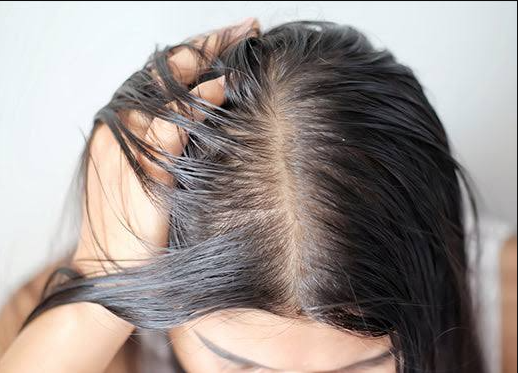
Thin hair is a common concern for many women and can be caused by various factors, including genetics, hormonal changes, stress, nutrition, aging, and hair care habits. While you cannot always change your natural hair thickness, the right routine can help improve hair strength, reduce breakage, and create the appearance of fuller, healthier hair.
Growing thicker-looking hair requires patience and consistency. Healthy hair growth is supported by proper nutrition, gentle hair care, scalp care, and choosing products that meet your specific needs.
In this guide, you’ll discover effective hair growth tips for women with thin hair, including lifestyle changes, scalp care techniques, styling advice, and ingredients that support stronger-looking hair.
Understanding Thin Hair
Thin hair can refer to:
- A smaller number of hair strands on the scalp
- Fine individual hair strands
- Increased hair shedding
- Hair that lacks volume and fullness
Fine hair and thinning hair are not always the same. Fine hair describes the thickness of each strand, while thinning hair often refers to reduced hair density.
Understanding your hair type can help you choose the right approach.
Common Causes of Thin Hair in Women
Several factors may contribute to thinning hair:
| Cause | How It Can Affect Hair |
|---|---|
| Genetics | Natural hair density and pattern |
| Hormonal Changes | May affect hair growth cycles |
| Stress | Can contribute to increased shedding |
| Poor Nutrition | Hair requires nutrients to grow properly |
| Heat Styling | May cause breakage |
| Harsh Hair Products | Can weaken strands |
| Aging | Hair may become finer over time |
| Tight Hairstyles | Can place stress on hair roots |
Identifying possible causes can help you make better hair care choices.
1. Eat a Hair-Friendly Diet
Healthy hair starts from within. Hair follicles require nutrients to produce strong strands.
Include foods rich in:
Protein
Hair is primarily made of keratin, a protein. Include:
- Eggs
- Fish
- Lean meats
- Beans
- Lentils
- Nuts
Iron
Low iron levels can contribute to hair shedding in some people.
Sources include:
- Spinach
- Red meat
- Beans
- Fortified foods
Omega-3 Fatty Acids
Healthy fats support overall scalp health.
Sources include:
- Salmon
- Walnuts
- Chia seeds
- Flaxseeds
Vitamins and Minerals
A balanced diet with fruits and vegetables provides important nutrients that support healthy hair.
2. Take Care of Your Scalp
A healthy scalp creates a better environment for hair growth.
Scalp Care Tips
- Wash your scalp regularly to remove buildup.
- Massage your scalp gently while shampooing.
- Avoid heavy product buildup.
- Keep your scalp comfortable and clean.
A gentle scalp massage may also help increase blood circulation around the scalp area.
3. Choose the Right Hair Products
Using products designed for thin hair can help improve volume and reduce unnecessary weight.
Look For:
| Ingredient | Benefit |
|---|---|
| Caffeine | Commonly used in scalp care products |
| Niacinamide | Supports scalp health |
| Biotin | Helps maintain healthy hair structure |
| Peptides | Used in strengthening formulas |
| Panthenol | Adds moisture and softness |
| Keratin | Helps improve hair appearance |
Avoid products that leave your hair heavy or greasy, as they may make thin hair appear flatter.
4. Avoid Excessive Heat Styling
Frequent heat styling can weaken hair and increase breakage.
To protect thin hair:
- Use heat protectant before styling.
- Keep heat tools at moderate temperatures.
- Avoid daily straightening or curling.
- Allow your hair to air-dry when possible.
Reducing damage helps your existing hair look thicker and healthier.
5. Be Gentle When Washing Your Hair
Thin hair is often more fragile, so gentle handling is important.
Better Hair Washing Habits:
- Avoid aggressive scrubbing.
- Use fingertips instead of nails on your scalp.
- Apply conditioner mainly to the mid-lengths and ends.
- Do not brush wet hair roughly.
Use a wide-tooth comb or a gentle brush designed for detangling.
6. Try Hair-Boosting Scalp Treatments
Some scalp treatments are designed to support healthier-looking hair.
Popular ingredients include:
- Rosemary oil
- Caffeine
- Peptides
- Castor oil
- Niacinamide
Always dilute essential oils properly and patch-test new products before regular use.
7. Choose Hairstyles That Add Volume
The right styling techniques can make thin hair appear fuller.
Volume Tips
- Use lightweight volumizing products.
- Try layered haircuts for movement.
- Avoid heavy oils near the roots.
- Blow-dry roots upward for extra lift.
- Change your part occasionally for added volume.
Avoid tight hairstyles that pull on the scalp.
8. Protect Your Hair While Sleeping
Nighttime habits can affect hair health.
Try:
- Sleeping on a satin or silk pillowcase.
- Avoiding tight ponytails while sleeping.
- Loosely tying long hair before bed.
These steps can help reduce friction and breakage.
9. Manage Stress Levels
High stress can affect the hair growth cycle and may contribute to increased shedding.
Helpful habits include:
- Regular exercise
- Meditation
- Adequate sleep
- Relaxation activities
- Spending time on hobbies
Taking care of your overall health supports healthier hair.
10. Avoid Common Hair Growth Mistakes
Many habits can make thin hair look weaker.
Avoid:
Overwashing
Washing too frequently may dry some hair types.
Using Too Many Products
Heavy products can weigh down fine hair.
Skipping Conditioner
Thin hair still needs moisture and protection.
Rough Towel Drying
Aggressive rubbing can increase breakage.
Ignoring Persistent Hair Loss
Sudden or significant hair loss should be discussed with a healthcare professional.
Simple Hair Care Routine for Thin Hair
Morning
- Gently brush hair.
- Apply lightweight volumizing product if desired.
- Avoid excessive heat styling.
Wash Days
- Use a gentle shampoo.
- Apply lightweight conditioner.
- Use a scalp treatment if needed.
- Style gently.
Weekly Care
- Use a nourishing hair mask if your hair feels dry.
- Clean brushes regularly.
- Massage the scalp gently.
Frequently Asked Questions (FAQs)
1. Can thin hair become thicker naturally?
You cannot change your natural hair density, but proper nutrition, gentle care, and reducing damage can help hair appear healthier and fuller.
2. What are the best foods for hair growth in women?
Protein-rich foods, iron-containing foods, healthy fats, fruits, and vegetables support overall hair health.
3. How often should women with thin hair wash their hair?
The ideal frequency depends on your scalp type. Some people wash every other day, while others may need more or less frequent washing.
4. Does scalp massage help hair growth?
Scalp massage may support scalp circulation and relaxation. Consistent scalp care can contribute to a healthier scalp environment.
5. Which oils are best for thin hair?
Lightweight oils such as rosemary-infused oils or jojoba oil may work well for some people. Heavy oils can weigh down fine hair.
6. How can I make thin hair look thicker?
Use volumizing products, choose flattering haircuts, avoid heavy products, and style roots for extra lift.
7. When should I see a doctor about hair thinning?
If you experience sudden hair loss, noticeable bald patches, scalp changes, or excessive shedding, consult a healthcare professional for evaluation.
Conclusion
Growing and maintaining healthy hair with thin strands requires a combination of good nutrition, gentle hair care, and consistent scalp support. While results take time, small changes such as choosing the right products, reducing damage, managing stress, and protecting your hair can make a noticeable difference.
The best hair growth routine for women with thin hair focuses on strengthening existing strands, supporting scalp health, and creating conditions for healthier-looking hair. With patience and the right habits, you can improve your hair’s appearance, texture, and overall vitality.