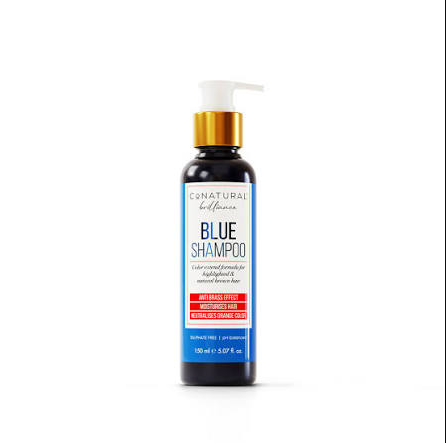
Introduction
Color-treated hair requires special care to maintain its vibrancy, shine, and overall health. Hair coloring can change the structure of your strands, making them more vulnerable to dryness, fading, and damage. Using the wrong shampoo—especially one containing harsh sulfates—may cause color to wash out faster and leave hair feeling dry or rough.
The best shampoo for color-treated hair without sulfates is designed to gently cleanse the scalp and hair while protecting color, maintaining moisture, and reducing damage. Sulfate-free formulas are often preferred because they are milder and help preserve the longevity of your hair color.
In this guide, you’ll learn how to choose the best sulfate-free shampoo for color-treated hair, which ingredients to look for, common mistakes to avoid, and how to create a routine that keeps colored hair healthy and vibrant.
Why Color Treated Hair Needs Special Shampoo
Hair dye can affect the hair’s natural protective layer, making strands more sensitive to washing, heat styling, and environmental stress.
Color-treated hair often experiences:
- Faster color fading
- Dryness and rough texture
- Increased breakage
- Loss of shine
- Frizz and dullness
A gentle shampoo helps clean your hair without removing too much moisture or affecting your color.
What Are Sulfates?
Sulfates are cleansing agents commonly found in shampoos. They create a rich lather and help remove oil and buildup.
Common sulfates include:
- Sodium lauryl sulfate (SLS)
- Sodium laureth sulfate (SLES)
- Ammonium lauryl sulfate (ALS)
While sulfates are effective cleansers, some people with color-treated, dry, or chemically processed hair prefer sulfate-free options because they are generally gentler.
Benefits of Using Sulfate-Free Shampoo for Color Treated Hair
| Benefit | How It Helps |
|---|---|
| Protects Hair Color | Helps reduce premature fading |
| Gentle Cleansing | Removes buildup without excessive dryness |
| Maintains Moisture | Helps keep hair soft and manageable |
| Reduces Frizz | Supports smoother-looking strands |
| Improves Shine | Helps colored hair look healthier |
Best Ingredients to Look For
Choosing a shampoo with nourishing ingredients can improve the appearance and feel of colored hair.
| Ingredient | Benefits |
|---|---|
| Keratin | Helps strengthen the appearance of damaged hair |
| Argan Oil | Adds softness and shine |
| Coconut Oil | Helps moisturize dry strands |
| Shea Butter | Provides rich hydration |
| Aloe Vera | Soothes and hydrates |
| Glycerin | Helps attract moisture |
| Panthenol | Improves softness and manageability |
| Protein Complexes | Support weakened hair fibers |
Ingredients to Avoid in Color Treated Hair Shampoo
Some ingredients may not be ideal for maintaining colored hair.
Consider avoiding:
- Sulfates if your hair is prone to dryness or fading
- Harsh detergents
- Excessive alcohols that may dry the hair
- Heavy buildup-causing ingredients if your hair becomes easily weighed down
Always consider your individual hair type when choosing products.
How to Choose the Best Sulfate-Free Shampoo for Your Hair Type
Dry Color Treated Hair
Choose shampoos with:
- Oils
- Shea butter
- Hydrating ingredients
- Moisture-repair formulas
These help restore softness and reduce dryness.
Fine Color Treated Hair
Look for:
- Lightweight formulas
- Volumizing ingredients
- Non-heavy moisturizing agents
Avoid products that make hair feel flat.
Curly Color Treated Hair
Choose:
- Moisturizing sulfate-free shampoos
- Frizz-control formulas
- Curl-friendly ingredients
Curly hair often needs extra hydration after coloring.
Damaged or Bleached Hair
Look for:
- Bond-supporting formulas
- Protein ingredients
- Repair-focused products
Bleached hair usually needs more intensive care.
How Often Should You Wash Color Treated Hair?
Washing frequency plays a major role in color longevity.
General tips:
- Wash hair only when needed.
- Avoid daily washing if your color fades quickly.
- Use lukewarm water instead of hot water.
- Apply conditioner after every wash.
Many people with colored hair find that washing two to three times per week helps maintain moisture and color.
Tips to Make Hair Color Last Longer
1. Wait Before Washing After Coloring
Avoid washing immediately after a fresh color appointment unless advised by your stylist. Allowing time for the color to settle can help maintain vibrancy.
2. Use Cooler Water
Hot water can open the hair cuticle and may contribute to faster color fading.
3. Use Heat Protection
Heat styling tools can dry colored hair and affect its appearance. Always use a heat protectant before using:
- Flat irons
- Curling irons
- Blow dryers
4. Protect Hair From Sun Exposure
UV rays can contribute to color fading. Wear a hat or use hair products designed for UV protection when spending long periods outdoors.
5. Deep Condition Regularly
A weekly hair mask can help maintain softness and improve the look of dry, colored hair.
Common Mistakes When Caring for Color Treated Hair
Using Regular Shampoo
Some shampoos may cleanse too aggressively and cause faster fading.
Washing Too Frequently
Frequent washing can remove natural oils and reduce color longevity.
Skipping Conditioner
Color-treated hair needs moisture and protection after cleansing.
Using Too Much Product
Heavy product buildup can make hair appear dull.
Ignoring Hair Damage
Colored hair requires ongoing care to prevent dryness and breakage.
Sample Hair Care Routine for Color Treated Hair
Wash Day
- Brush hair gently before washing.
- Use sulfate-free color-safe shampoo.
- Apply a nourishing conditioner.
- Use a leave-in conditioner if needed.
- Style with heat protection.
Weekly Care
- Apply a deep conditioning mask.
- Trim split ends regularly.
- Reduce excessive heat styling.
This routine helps maintain softness, shine, and color vibrancy.
Frequently Asked Questions (FAQs)
1. What is the best shampoo for color treated hair without sulfates?
The best sulfate-free shampoo for color-treated hair is one that gently cleanses while providing hydration and protection. Look for formulas with ingredients like keratin, argan oil, aloe vera, and moisturizing oils.
2. Does sulfate-free shampoo prevent hair color from fading?
Sulfate-free shampoo may help reduce color fading by providing gentler cleansing compared with some stronger shampoos. However, overall color longevity also depends on the type of dye, washing habits, and hair care routine.
3. Can sulfate-free shampoo clean oily hair?
Yes. Sulfate-free shampoos can effectively remove oil and buildup when used correctly. Some oily hair types may need more frequent washing or a balancing formula.
4. Is sulfate-free shampoo better for damaged hair?
Many people with damaged or chemically treated hair prefer sulfate-free shampoos because they are often gentler and can help maintain moisture.
5. How often should I use sulfate-free shampoo on colored hair?
Most people can use sulfate-free shampoo two to three times per week, but the ideal frequency depends on scalp oiliness, lifestyle, and hair type.
6. Can I use sulfate-free shampoo on bleached hair?
Yes. Sulfate-free shampoos are commonly used for bleached hair because they help maintain moisture and reduce dryness.
7. Should I use conditioner after sulfate-free shampoo?
Yes. Shampoo cleanses the hair, while conditioner helps restore softness, moisture, and manageability.
Conclusion
Choosing the best shampoo for color-treated hair without sulfates can help protect your investment in hair color while keeping your strands healthy and hydrated. A gentle sulfate-free formula combined with proper conditioning, limited heat styling, and smart washing habits can help extend color vibrancy and improve hair texture.
Look for nourishing ingredients such as argan oil, keratin, shea butter, aloe vera, and glycerin, and choose a shampoo that matches your specific hair needs. With consistent care, color-treated hair can remain shiny, soft, and beautiful for longer.