
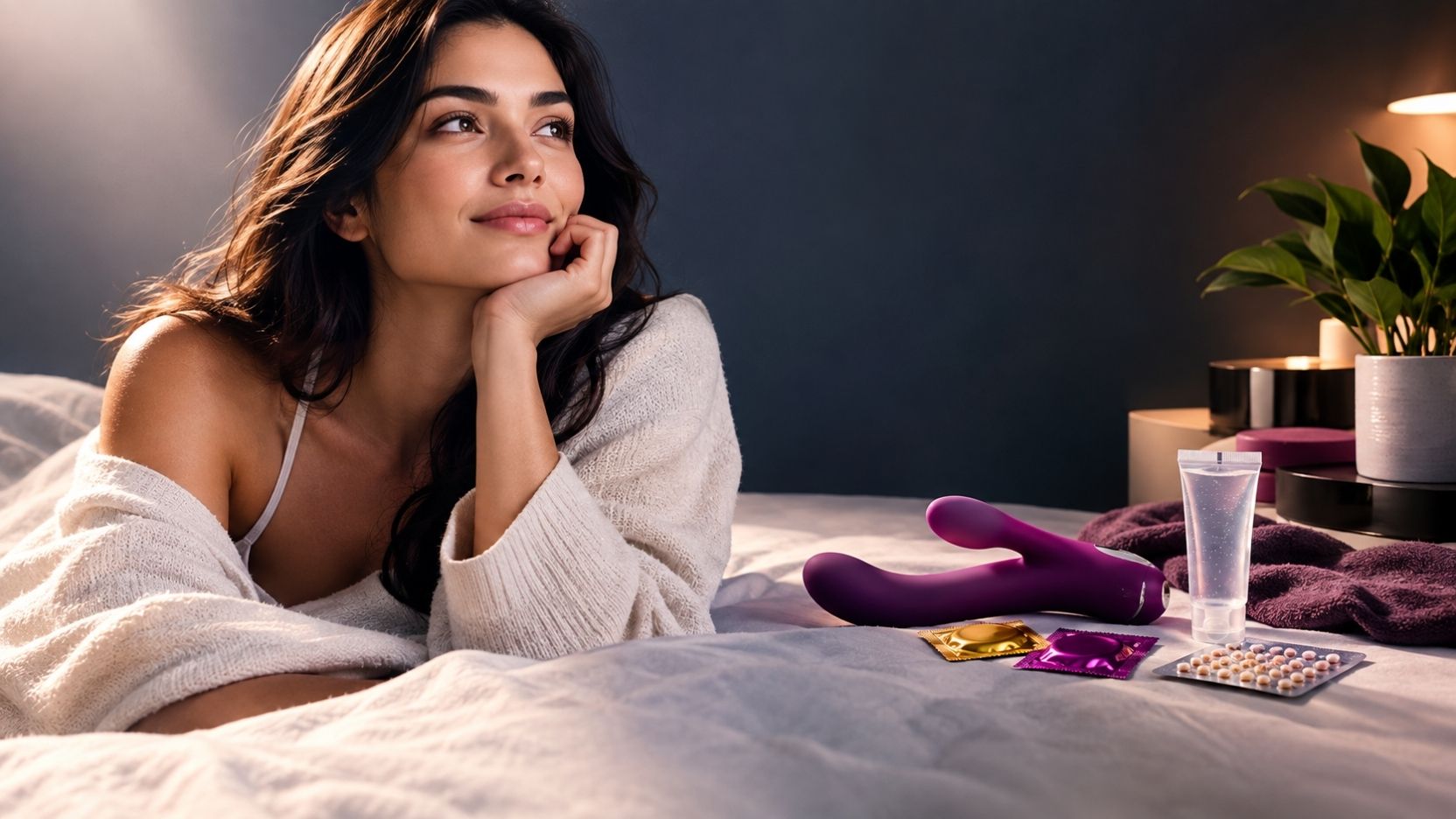
Sexual wellness is the ongoing practice of caring for your sexual health across physical, emotional, and relational dimensions, not just the absence of disease or dysfunction. It covers everything from safer sex habits and lubricant choice to communication, pleasure, and knowing when to see a specialist. This guide breaks down what it involves, what products and clinics look like in practice, and how to think about building your own plan.
What Does Sexual Wellness Actually Mean?
The World Health Organization frames sexual health as a state of physical, emotional, mental, and social wellbeing connected to sexuality, not simply the absence of disease, dysfunction, or infirmity. That framework matters because it treats pleasure, communication, and comfort as legitimate parts of health, alongside protection from infection or unwanted pregnancy.
“Sexual wellness” is the everyday, consumer facing version of that idea. It is the term brands, retailers, and clinics use to describe the practical side of sexual health: products, routines, education, and care that support a satisfying and safe sex life.
In practice, sexual wellness usually touches four areas:
- Physical health: contraception, STI prevention, hormonal changes, pain, and general reproductive health.
- Pleasure and function: desire, arousal, and the tools people use to support them.
- Emotional and relational health: communication, consent, body image, and intimacy with a partner or on your own.
- Education and access: knowing accurate information and having somewhere to buy safe products or find professional help.
See More: How Your Mind Can Heal Your Body
How Is Sexual Wellness Different From Sexual Health?
The two terms overlap heavily, and most people use them interchangeably. If there is a distinction, sexual health tends to describe the clinical and medical side (STI testing, contraception, treatment for dysfunction), while sexual wellness leans toward the lifestyle and self care side of the same subject: products, routines, and everyday practices that support that clinical foundation. Neither term has one single official definition, so context usually makes the intended meaning clear.
What Does Sexual Wellness Mean in Hindi and Other Languages?
There is no single official Hindi translation, since “sexual wellness” is a fairly recent English marketing term. It is commonly rendered as “यौन स्वास्थ्य” (yaun swasthya), which translates closer to “sexual health,” or described using phrases around intimate wellbeing and personal health.
Indian sexual wellness brands, including MyMuse, have built entire content platforms specifically to explain and normalize these terms for readers who grew up with very little open conversation about sex. If you are searching for the meaning in another language, look for local sexual health organizations rather than direct word for word translation tools, since cultural context changes how the term is best expressed.
Why Has Sexual Wellness Become Such a Big Industry?
Sexual wellness used to be a niche, somewhat hidden retail category. That has changed considerably over the past two decades.
CVS and Walgreens began selling sex toys back in 2008, a move widely seen as a turning point for mainstream retail acceptance. Since then, Walmart, Target, and several grocery chains have built out dedicated sexual wellness sections, and beauty retailers such as Sephora, Nordstrom, and Bloomingdale’s have added vibrators and intimacy products to their shelves as well.
Multiple market research firms track this category, and their numbers vary quite a bit depending on methodology and what they count as “sexual wellness.” Some reports value the global market in the tens of billions of dollars in 2026, with mid single digit to high single digit annual growth projected through the early 2030s. A few newer forecasts describe a much larger total addressable market when broader wellness and OTC categories are folded in. Because these estimates diverge so widely, treat any single headline number as a rough directional signal rather than an exact figure.
What most reports agree on:
- Growth is being driven by rising awareness of sexual health, destigmatization of pleasure products, and wider retail and online distribution.
- Sex toys and devices represent one of the largest and fastest growing product segments.
- Lubricants, condoms, and intimate hygiene products remain the steady, high volume core of the category.
- North America and parts of Asia Pacific are seeing particularly strong growth in branded, direct to consumer products.
Target has actively curated its shelves around emerging brands, grouping established names separately from newer premium labels and creating dedicated end cap displays for condoms and lubricants. Walmart has used similar merchandising for lubricants. Online, Amazon carries thousands of items under its sexual wellness category, and nontraditional retailers, including Sephora and Anthropologie, have added their own curated selections.
How Big Is the Sexual Wellness Market, Really?
If you look up market size, you will find wildly different headline numbers, because research firms disagree on scope and methodology. Here is a snapshot of a few 2026 estimates, shown side by side so the range is easy to see.
| Research Firm | 2026 Estimate | Projected Growth |
| Research and Markets | Around 56 billion dollars globally | Roughly 8 percent annual growth through 2030 |
| Fortune Business Insights | Around 29 billion dollars for products specifically | Roughly 8 percent annual growth through 2034 |
| Persistence Market Research | Around 14 billion dollars for the US market alone | Roughly 7 to 8 percent annual growth through 2033 |
| Future Market Insights | A much broader total figure when adjacent OTC categories are included | Double digit annual growth through 2036 |
None of these numbers are wrong, exactly. They are simply measuring different things: some count only condoms, lubricants, and devices, while others fold in adjacent supplement, hygiene, and OTC categories. If you see a single dramatic figure quoted somewhere, it is worth checking what that report actually counted before treating it as the definitive market size.
Is There Career Work in Sexual Wellness?
Yes. As the category has moved into mainstream retail, the range of jobs behind it has grown too. Common roles include product formulation and quality assurance chemists, retail buyers and merchandisers at chains like Target and CVS, brand marketing and content roles at direct to consumer companies, AASECT certified sex therapists and sexual medicine clinicians, and customer education or community roles at brands trying to reduce stigma around their products.
Job postings in this space are usually listed under general beauty, wellness, healthcare, or consumer products categories rather than a single dedicated industry board, so searching those broader terms alongside “sexual wellness” tends to surface more openings.
What Belongs In A Personal Sexual Wellness Plan?
A sexual wellness plan is simply a personal, practical framework for taking care of this part of your health, the same way you might have a skincare routine or a fitness plan. There is no single required template, but a reasonably complete plan tends to include the following pieces.
Start With the Basics
- Protection: consistent, correct use of condoms or other barrier methods if you are not in a mutually monogamous, tested relationship.
- Testing: regular STI screening based on your activity and risk factors, discussed with a doctor or clinic.
- Contraception: a method that fits your life, reviewed periodically with a healthcare provider.
- Comfort products: lubricant suited to your body and your activities, since discomfort is one of the most common and most fixable barriers to a good sex life.
Build In the Emotional Layer
- Regular, low pressure conversations with a partner about what feels good and what doesn’t.
- Checking in about consent and boundaries, not as a one time conversation but as an ongoing practice.
- Paying attention to stress, body image, and mental health, since all three strongly influence desire and satisfaction.
Know Your Support System
- A primary care doctor or gynecologist/urologist you feel comfortable being honest with.
- A pelvic floor physical therapist if pain or tension is part of the picture.
- A certified sex therapist if communication, desire mismatches, or past trauma are affecting intimacy.
A helpful way to think about it: a sexual wellness plan is not a one time fix. It is a small set of habits, checkups, and honest conversations that you revisit as your body, relationships, and life stage change.
Sexual Wellness Products: What’s Actually Out There
The product side of sexual wellness has expanded well beyond condoms and lubricant. Here is a breakdown of the main categories found at most major retailers today.
| Category | What It Includes | What to Look For |
| Lubricants | Water based, silicone based, oil based, and hybrid formulas | Ingredient list, condom and toy compatibility, glycerin free if prone to irritation |
| Condoms and barriers | Latex, polyisoprene, polyurethane, internal condoms | Correct sizing, expiration date, storage away from heat |
| Devices and toys | External and internal vibrators, couples’ toys, wands | Body safe materials such as medical grade silicone, easy to clean surfaces |
| Sexual wellness supplements | Libido, arousal, or confidence supplements | Realistic expectations, checking ingredients with a doctor if on medication |
| Intimate skincare | Washes, balms, wipes, deodorants for intimate areas | pH balanced, fragrance free options for sensitive skin |
| ED and performance support | Over the counter and prescription treatments | Only from licensed pharmacies or a doctor’s guidance |
Choosing the Right Lubricant
Lubricant is one of the most frequently searched sexual wellness products, and picking the wrong type can actually cause problems rather than solve them.
- Water based lubricant is the most versatile choice. It mimics natural moisture, washes off easily, and is safe with every condom material and every toy material. Its main downside is that it can dry out faster during longer sessions.
- Silicone based lubricant lasts significantly longer and works well in water, which makes it popular for shower use or anal play. It is compatible with condoms but should not be used with silicone toys, since it can gradually break down the toy’s surface.
- Oil based lubricant, including many natural oils, feels rich and long lasting but should never be paired with latex or polyisoprene condoms. Oil degrades latex quickly, sometimes in under a minute, which raises the risk of condom failure.
- Hybrid lubricants combine water and silicone to balance long lasting glide with easier cleanup, though they carry some of the same toy compatibility caveats as pure silicone formulas.
If you are unsure which condom material you are using, water based or silicone based lubricant is the safer default, since both are broadly condom compatible.
What Sexual Wellness Products Work Best for Men?
Common categories marketed specifically toward men include condoms sized and textured for comfort, personal lubricants for solo or partnered use, delay sprays or desensitizing products, pelvic and performance focused supplements, and grooming or intimate skincare items.
Anyone considering a supplement or performance product should check ingredients against any current medications, since some over the counter formulas can interact with prescriptions such as nitrates.
What Sexual Wellness Products Work Best for Women?
Categories marketed toward women commonly include lubricants formulated for vaginal pH and sensitivity, moisturizers for dryness related to menopause, breastfeeding, or certain medications, external and internal vibrators, pelvic floor tools such as kegel devices, and intimate washes designed to avoid disrupting natural pH balance.
Vaginal tissue is more sensitive to fragrance and glycerin than external skin, so many clinicians recommend starting with simple, fragrance free formulas before trying anything more elaborate.
See More: Nutrition And Wellness
Where People Actually Buy These Products
Retail access has changed dramatically. A shopper today has several realistic options, each with different tradeoffs.
- Amazon: The largest online catalog for this category, with thousands of listed sexual wellness items, ranging from mainstream drugstore brands to newer direct to consumer labels. Reading verified reviews and checking for clear material and safety information is worth the extra minute, since third party sellers vary in quality control.
- Walmart: Carries an extensive range of top brands in its health section, including well known lubricant, condom, and device brands, often at lower price points than specialty retailers.
- CVS: Offers a dedicated sexual wellness section both in stores and online, covering adult products, sexual enhancers, and family planning items, generally with discreet packaging for online orders.
- Target: Has actively rebuilt its sexual wellness shelves in recent years, giving emerging, design forward brands dedicated space alongside legacy brands, and using small end cap displays to normalize the category within the main aisles.
- Specialty and beauty retailers: Sephora and a handful of other beauty retailers now carry select sexual wellness brands, generally positioned around clean ingredients and self care branding rather than a full adult retail assortment.
A note on less specialized retailers: general fast fashion and marketplace sites occasionally list intimate or wellness adjacent items, but they are not typically known as dedicated sexual wellness retailers, and product safety verification can be inconsistent on very broad marketplaces. When buying anything that touches intimate skin, it is worth prioritizing retailers that clearly disclose materials and manufacturing standards.
Getting to Know a Few Sexual Wellness Brands
The direct to consumer sexual wellness space has grown quickly, and a handful of brands come up constantly in searches and retail directories.
Maude is a modern intimacy brand founded in 2018 by Éva Goicochea. It positions itself around minimalist design, gender inclusive marketing, and body safe formulations, covering lubricants, devices, condoms, and intimate skincare. Its products avoid parabens and use IFRA approved fragrances, and the brand has expanded into retailers such as Sephora in addition to its own site.
MyMuse, sometimes referred to simply as Muse in casual search, is an Indian sexual wellness brand founded in 2021 by Sahil Gupta and Anushka Gupta. It focuses on massage oils, lubricants, couples’ devices, and educational content aimed at reducing stigma in a market where open conversations about sex have historically been rare. It is worth noting that “Muse” alone is also used by unrelated products in other categories, so double check you are looking at the sexual wellness brand specifically before ordering.
Dame Products, founded in 2014 by sexologist Alexandra Fine and engineer Janet Lieberman, focuses on closing what it calls the pleasure gap between genders, with an emphasis on body safe materials, user tested design, and a clinical advisory board. Its products are sold direct to consumer as well as through Target, Sephora, Nordstrom, and Bloomingdale’s.
Cake is a Los Angeles based lubricant and intimate wellness brand known for a color coded packaging system that helps first time shoppers match a product to a specific body part or use case. Its products are carried at Target, CVS, and Walmart in addition to its own site.
| Brand | Founded | Known For | Where to Find It |
| Maude | 2018 | Minimalist design, inclusive branding | Own site, Sephora |
| MyMuse | 2021 | Education focused, India market | Own site, regional delivery apps |
| Dame Products | 2014 | Vibrators, clinical advisory board | Own site, Target, Sephora, Nordstrom |
| Cake | 2020 | Color coded lubricant system | Own site, Target, CVS, Walmart |
When Do People Turn to a Sexual Wellness Clinic?
Not every sexual wellness concern can be solved with a product. Dedicated clinics exist specifically for the medical and therapeutic side of this topic, and they tend to serve people dealing with pain during sex, low desire, performance concerns, gender or identity questions, or the effects of past trauma.
The Rochester Center for Sexual Wellness in Penfield, New York, is one example of this model. It combines a certified sexual medicine specialist with AASECT certified sex therapists, offering both medical evaluation and talk therapy for sexual, relationship, and gender concerns, with both in person and telehealth appointments available.
The Carolina Sexual Wellness Center in Durham, North Carolina, is a nonprofit sex therapy and education practice serving the Raleigh, Durham, and Chapel Hill area. It offers individual, couples, family, and group therapy for sexual dysfunction, compulsive sexual behavior, relationship issues, and gender identity concerns, along with a lower cost training clinic option for people without insurance coverage.
Clinics like these generally differ from a general OB/GYN or urologist visit in one key way: they combine medical evaluation with therapy in the same practice, which matters because sexual difficulties are so often a mix of physical and emotional factors rather than one or the other.
What Is a “Sexual Wellness Shot”?
Some medical spas and wellness clinics advertise a “sexual wellness shot,” sometimes called a P-Shot for men or an O-Shot for women. Both are marketing names for platelet rich plasma, or PRP, injections into genital tissue.
The process usually works like this: a provider draws a small sample of your blood, spins it in a centrifuge to concentrate the platelets and growth factors, and injects that concentrated plasma into the penis or vaginal and clitoral tissue. Clinics that offer these treatments describe them as a way to address concerns such as erectile difficulty, reduced sensitivity, vaginal dryness, or mild urinary incontinence.
A few things are worth knowing before considering one of these treatments:
- These are elective cosmetic and wellness procedures performed at medical spas, not standardized medical treatments with a single accepted protocol.
- Individual clinics report their own patient outcomes, but the underlying quality and consistency of clinical evidence for these specific injections varies, and this is an area where independent, well designed research is still developing.
- Cost is typically out of pocket, since these procedures are not usually covered by insurance.
- As with any injection based procedure, discussing risks, realistic expectations, and your full medical history with a licensed provider beforehand matters more than any single marketing claim.
If you are curious about one of these treatments, a conversation with your regular doctor first can help you understand whether it is a reasonable option for your specific situation, or whether a different approach might address the underlying concern more directly.
Examples of What Sexual Wellness Looks Like Day to Day
Because the term can feel abstract, it helps to see it broken into concrete, everyday examples:
- Talking with a new partner about STI testing before becoming sexually active.
- Switching to a fragrance free lubricant after noticing irritation from a scented one.
- Scheduling an annual gynecology or urology checkup and actually keeping the appointment.
- Using a pelvic floor exercise routine after childbirth or during menopause.
- Booking a session with a sex therapist after a long stretch of low desire in a relationship.
- Reading ingredient labels before buying a supplement marketed for libido.
- Setting a boundary with a partner and having it respected without conflict.
- Choosing a condom size that actually fits, rather than defaulting to whatever is on sale.
None of these examples require a big purchase or dramatic life change. Most sexual wellness, in practice, is made up of small, repeatable habits.
How to Know If Your Sexual Wellness Needs Attention
A few signs are worth paying attention to, since they often point to something that is treatable rather than something you have to simply live with:
- Persistent pain during sex that does not improve with more lubrication or slower pacing.
- A noticeable, lasting drop in desire that is affecting your relationship or your own wellbeing.
- Difficulty communicating needs or boundaries with a partner, even when you want to.
- Ongoing anxiety, shame, or avoidance connected to sex or intimacy.
- Physical symptoms such as unusual discharge, odor, or discomfort that need medical evaluation rather than a home remedy.
If any of these sound familiar, a primary care doctor is a reasonable first stop, and they can refer you to a specialist, whether that is a pelvic floor therapist, a sex therapist, or a urologist or gynecologist, depending on what you describe.
See More: Wellness Activities
Key Takeaways
Sexual wellness covers far more ground than most people initially assume. It includes physical protection and comfort, emotional and relational health, the products that support day to day intimacy, and the professional care available when something needs more than a product can offer. The industry has moved from a hidden, back aisle category to a mainstream section at Walmart, Target, CVS, and Amazon, and dedicated brands and clinics now exist to serve nearly every part of the topic. Building your own plan does not require every product or service described here. It just requires paying honest attention to what your body and your relationships actually need, and being willing to ask for help when something isn’t working.
Frequently Asked Questions
What is sexual wellness?
Sexual wellness is the everyday practice of supporting your sexual health, covering physical safety, comfort, emotional connection, and access to accurate information or professional care when needed.
What is a sexual wellness plan?
It is a personal framework covering protection, testing, comfort products, communication habits, and a support system of doctors or therapists, revisited as your needs change over time.
Is it safe to buy sexual wellness products on Amazon?
Many reputable brands sell directly on Amazon, but checking for verified reviews, clear material information, and official brand storefronts helps avoid lower quality third party listings.
What does CVS sell in its sexual wellness section?
CVS carries condoms, lubricants, vibrators and other devices, sexual enhancers, and family planning products such as pregnancy tests, both in stores and online with discreet shipping.
What is the Maude sexual wellness brand known for?
Maude is known for minimalist, gender inclusive design across lubricants, condoms, devices, and intimate skincare, with an emphasis on body safe, paraben free formulas.
Does Walmart carry sexual wellness products?
Yes, Walmart stocks a wide range of top brands in its health and medicine section, including lubricants, condoms, and devices, often at competitive prices.
What does sexual wellness mean in Hindi?
There is no single official translation, but it is commonly expressed as “yaun swasthya,” closer to sexual health, since the English marketing term does not translate directly.
What sexual wellness products are common for men?
Common options include properly sized condoms, lubricants, delay sprays, and performance focused supplements, ideally reviewed against any current medications with a doctor.
What sexual wellness products are common for women?
Common options include pH friendly lubricants and moisturizers, vibrators, pelvic floor tools, and fragrance free intimate skincare formulated for sensitive tissue.
What happens at a sexual wellness clinic?
These clinics typically combine medical evaluation from a sexual medicine specialist with therapy from a certified sex therapist, addressing both physical and emotional aspects of sexual concerns.
Are there jobs in the sexual wellness industry?
Yes. Roles range from product formulation and retail buying to brand marketing, sex therapy, and clinical sexual medicine, usually listed under broader wellness, healthcare, or consumer products job categories.
Is Muse the same as MyMuse?
In sexual wellness searches, “Muse” most often refers informally to MyMuse, an India based brand. The name is also used by unrelated products, so confirm you are on the correct brand’s official page before purchasing.
What is a sexual wellness shot?
It is a marketing term for PRP injections, sometimes called a P-Shot or O-Shot, that some medical spas offer for concerns like erectile difficulty or vaginal dryness. Evidence quality varies, so discuss it with your own doctor first.
How large is the sexual wellness market?
Estimates vary widely by research firm and methodology, but most agree the global market is worth tens of billions of dollars in 2026 and growing at a mid to high single digit annual rate.