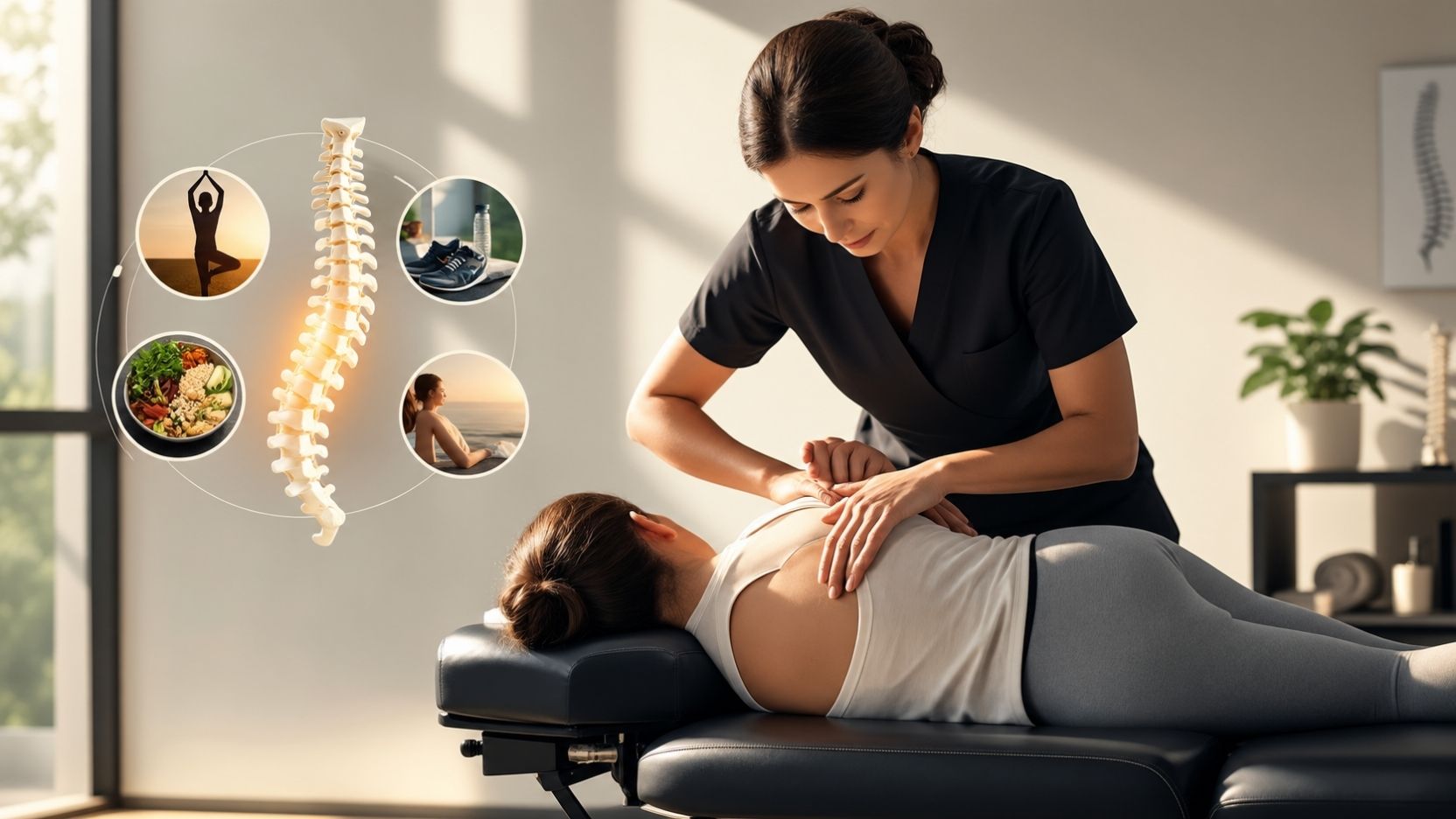

Physical wellness is the habit of caring for your body so it can support the life you want. It covers regular movement, balanced eating, enough sleep, preventive healthcare, and stress management. It does not require athletic ability, and it does not mean having no health conditions. Anyone can practice it, at any fitness level, starting from where they are today.
This guide explains what physical wellness is and how it differs from fitness and physical health. It also covers how much activity, food, and sleep most adults need, how a wellness visit differs from an annual physical, and how to set goals you can keep. It is educational and not medical advice.
Key takeaways
- Physical wellness is a set of habits, not a fitness score.
- Its core parts are movement, nutrition, sleep, preventive care, and stress recovery.
- U.S. guidelines suggest adults do 150 to 300 minutes of moderate activity weekly, plus strength work on two days.
- A wellness visit focuses on prevention planning. An annual physical is a hands on exam.
- Small, specific goals work better than dramatic overhauls.
See More: Wellness Shots Recipe
What Does Physical Wellness Mean in Plain Words?
Think of physical wellness as ongoing maintenance for your body. You do not reach it and finish. You keep tending to it, the way you keep a home in good repair.
One university wellness office describes it as healthy habits around nutrition, sleep, exercise, appropriate healthcare, and stress reduction. It also includes body awareness, meaning the ability to listen to your body and take responsibility for your own health.
If you need a definition for an essay or class, here is one in plain language:
Physical wellness is the everyday practice of keeping your body strong, rested, nourished, and cared for, so you can handle daily life and protect your long term health.
The word “wellness” itself matters here. SAMHSA, the federal mental health and substance use agency, describes wellness as good physical and mental health. It adds that people can work toward wellness even while dealing with illness or stress.
That last point is important. You do not need to be perfectly healthy to practice physical wellness.
How Is Physical Wellness Different From Physical Health?
These terms overlap, but they are not identical. The table below separates them.
| Term | What It Describes | Example |
| Physical health | Your body’s current condition | A blood pressure reading or a diagnosis |
| Physical wellness | The habits and choices that support your body | Walking daily, sleeping on a schedule |
| Physical fitness | Your body’s capacity to perform activity | How long you can jog without stopping |
| Physical activity | Any movement that uses energy | Gardening, climbing stairs, dancing |
Health is a snapshot. Wellness is the practice that shapes future snapshots. Two people with the same health status can have very different wellness routines.
Why Does Physical Wellness Matter So Much for Overall Health?
Your body is the base that everything else rests on. When you are rested, fed, and moving regularly, you have more energy for work, relationships, and learning.
The evidence for this is strong. Federal activity guidelines were first built around preventing disease, including coronary heart disease, stroke, high blood pressure, type 2 diabetes, and colon and breast cancers. The NIH also notes that sedentary behavior is linked to many medical problems, and that moving more and sitting less can bring major benefits.
The benefits go beyond disease prevention. Reporting on CDC findings notes that physical activity can improve sleep, thinking, and bone and muscle health, and can lower the risk of dementia.
Sleep adds its own list of benefits. The CDC says enough sleep helps you get sick less often, stay at a healthy weight, manage stress and mood, and support heart health and metabolism.
There is also a ripple effect. Maintaining good physical health makes it easier to nurture the other dimensions of wellness.
A caution is worth adding. Habits improve your odds, but they do not guarantee outcomes. Genetics, income, neighborhood, disability, and access to care all shape health too. Physical wellness is about doing what is realistic within your circumstances.
Where Does Physical Wellness Fit Among the Dimensions of Wellness?
Wellness is often described as having several dimensions. SAMHSA’s model lists eight: social, environmental, physical, emotional, spiritual, occupational, intellectual, and financial. The framework was developed by Peggy Swarbrick.
Here is what each dimension covers in everyday terms.
| Dimension | What It Means in Everyday Life |
| Physical | Movement, nutrition, sleep, and preventive care |
| Emotional | Handling stress and feelings well |
| Social | Building supportive relationships |
| Spiritual | Having a sense of purpose and meaning |
| Intellectual | Learning and staying mentally curious |
| Occupational | Finding satisfaction in work |
| Financial | Feeling secure about money now and later |
| Environmental | Living and working in healthy surroundings |
The NIH takes a slightly different approach. Its wellness toolkits group advice into five areas: relationships, emotional wellbeing, physical wellbeing, disease defenses, and surroundings.
Both models make the same point. Physical wellness is one piece of a bigger picture, and the pieces influence each other. You will see how later in this guide.
What Are the Building Blocks of Physical Wellness?
Most public health sources point to the same core habits. Together they form the practical answer to “what is the physical wellness dimension?”
- Movement: regular aerobic activity, strength work, and less sitting.
- Nutrition: eating enough, eating a variety of whole foods, and drinking enough water.
- Sleep: getting enough rest on a regular schedule.
- Preventive care: checkups, screenings, and vaccines.
- Stress recovery: giving your body time to reset.
- Body awareness: noticing pain, fatigue, and warning signs early.
This matches how one university describes the dimension: nutrition, sleep, exercise, appropriate healthcare, and stress reduction.
The habits also support each other. Better sleep makes exercise easier. Exercise can help you fall asleep. Eating regularly steadies your energy during the day. When one habit slips, the others often follow.
That is useful when you feel stuck. Improving a single habit often lifts the rest.
How Much Exercise Counts as Enough?
Start with the federal benchmark. Adults should aim for 150 to 300 minutes of moderate intensity activity weekly, or 75 to 150 minutes of vigorous activity, or an equivalent mix. They should also do muscle strengthening activities on two days each week.
That may sound like a lot. It works out to about 30 minutes on five days.
What Counts as Moderate or Vigorous Activity?
Moderate activity raises your heart rate and breathing but still lets you talk. Brisk walking and fast dancing are common examples. Vigorous activity, such as running or swimming laps, makes conversation difficult.
Strength work means making your muscles work against resistance. Lifting weights, using resistance bands, and doing push ups all count.
What Do the Guidelines Say for Different Groups?
| Group | General Recommendation |
| Adults | 150 to 300 minutes moderate activity weekly, plus strength work on 2 days |
| Older adults | Same targets, plus balance training as part of weekly activity |
| Children and teens, ages 6 to 17 | 60 minutes or more of moderate to vigorous activity daily |
| Preschoolers, ages 3 to 5 | Active throughout the day |
| Pregnant and postpartum women | At least 150 minutes of moderate aerobic activity weekly |
The older adult guidance calls for multicomponent activity that includes balance training. Adults with chronic conditions or disabilities who are able should also follow the key adult guidelines. If you have a medical condition, check with your clinician about what is safe for you.
What If You Are Starting From Zero?
You do not have to hit 150 minutes right away. The guidelines advise inactive people to start small and build up over time. People who start small may stick with it longer.
The guidelines also stress that some activity is better than none, and that moving more and sitting less brings some benefit. Even a ten minute walk after dinner is a real start.
How Many Americans Actually Meet These Targets?
Fewer than you might expect. In 2024, 26.4 percent of adults met both the aerobic and muscle strengthening guidelines during leisure time. A separate CDC report found that 47.2 percent met the aerobic guideline alone.
If you are falling short, you have plenty of company. The goal is progress, not perfection.
Are Physical Activity, Exercise, and Fitness the Same Thing?
No, though people mix them up. The World Health Organization defines physical activity as any bodily movement that uses energy. Exercise is a planned, structured, repeated form of physical activity done to improve health or fitness. So all exercise is physical activity, but not all physical activity is exercise.
Fitness is the result. It has been described as having the attributes to perform physical activity with energy and without undue fatigue.
Fitness is usually split into two groups. Health related fitness matters most for wellness.
| Health Related Component | What It Means |
| Cardiorespiratory endurance | Sustaining moderate to hard effort for a long period |
| Muscular strength | The most force a muscle can produce in one effort |
| Muscular endurance | Repeating or holding muscle effort without tiring quickly |
| Flexibility | Moving joints through their full range |
| Body composition | The proportion of fat and lean tissue in the body |
These five components are the ones most often discussed in physical activity research. Skill related components, such as agility, balance, coordination, speed, power, and reaction time, are treated separately.
See More: National Wellness Month
What Does Eating Well Look Like Right Now?
Nutrition advice in the U.S. changed recently. On January 7, 2026, HHS and USDA jointly published the 2025 to 2030 Dietary Guidelines for Americans.
The guidelines list eight key recommendations: eat the right amount for you, prioritize protein foods at every meal, consume dairy, eat vegetables and fruits through the day, include healthy fats, focus on whole grains, limit highly processed foods, added sugars, and refined carbohydrates, and limit alcohol.
The overall message is simple. The federal summary boils it down to eating real food, with a flexible framework that respects cultural traditions and personal preferences.
What Changed From Earlier Guidance?
Several points differ from previous editions. Full fat dairy without added sugar is now recommended, where earlier guidance favored low fat options. The alcohol advice moved from specific daily limits to a general message to drink less.
Saturated fat should still stay under 10 percent of daily calories. However, the new guidelines highlight foods such as red meat and whole milk that are naturally rich in it, which departs from prior guidance.
Some of these changes have drawn debate among nutrition professionals. If you have heart disease, diabetes, high cholesterol, or food allergies, ask a registered dietitian or your clinician how the guidelines apply to you.
What Does That Look Like on a Plate?
You do not need a complicated system. A few practical habits cover most of the advice.
- Build meals around a protein food, plus vegetables or fruit.
- Choose whole grains more often than refined ones.
- Cook with healthy fats, such as olive oil, nuts, or seeds.
- Keep highly processed snacks and sugary drinks occasional.
- Choose water, still or sparkling, and unsweetened beverages for hydration.
Calorie needs vary widely. They depend on your age, sex, height, weight, and activity level. So a friend’s meal plan may not suit you.
How Much Sleep Do You Need, and Why Is It Part of Physical Wellness?
Sleep is when your body repairs itself and resets. Skipping it undermines nearly every other wellness habit.
The CDC publishes age based recommendations. Teens aged 13 to 17 need 8 to 10 hours. Adults aged 18 to 60 need at least 7 hours. Adults 61 to 64 need 7 to 9 hours, and those 65 and older need 7 to 8 hours.
| Age Group | Recommended Sleep per Day |
| School age, 6 to 12 years | 9 to 12 hours |
| Teens, 13 to 17 years | 8 to 10 hours |
| Adults, 18 to 60 years | 7 or more hours |
| Adults, 61 to 64 years | 7 to 9 hours |
| Adults, 65 years and older | 7 to 8 hours |
Many people fall short. Around 36.8 percent of U.S. adults were not getting enough sleep in 2022, according to the CDC figures cited by Healthline.
How Can You Sleep Better?
The NIH suggests the basics. These include keeping consistent sleep schedules and creating a restful sleep environment.
Napping late in the afternoon can make it harder to fall asleep at your normal bedtime. If you regularly struggle to sleep or feel exhausted despite enough hours, speak with a healthcare professional. Persistent sleep trouble can have medical causes that habits alone will not fix.
What Is a Wellness Visit, and How Is It Different From an Annual Physical?
Preventive care is a core part of physical wellness. It also causes real confusion, because the terms sound alike. This is especially true under Medicare.
A wellness visit is about planning. A Medicare Annual Wellness Visit is a yearly appointment focused on prevention planning. You and your primary care provider review your health history, risks, and goals, then build a personalized plan for the year ahead.
An annual physical is more hands on. Wellness visits focus on preventing problems, while physicals lean toward current issues and managing chronic conditions.
| Feature | Wellness Visit | Annual Physical |
| Main purpose | Prevention planning | Hands on check and current concerns |
| Physical exam required | No | Yes |
| Typical lab work | Usually none | May include blood work |
| Who often performs it | Often a nurse or nurse practitioner | Doctor, nurse practitioner, or physician assistant |
| Original Medicare coverage | Covered by Part B | Routine physicals generally not covered |
The details behind the table are worth knowing.
- A physician quoted by the AMA notes that the Medicare wellness visit has no requirement for a hands on exam, such as listening to your heart and lungs.
- A nurse or nurse practitioner typically conducts it.
- You can usually have one every 12 months, once you have held Part B for at least 12 months. Under Original Medicare, a routine physical typically means paying the full cost yourself.
What Is the “Welcome to Medicare” Visit?
This is the Initial Preventive Physical Exam, a one time benefit available within your first 12 months of Part B. You complete a first health risk assessment, and your next appointment becomes your first Annual Wellness Visit.
Should You Book Both?
Many people benefit from both. Mayo Clinic Health System says the two can be scheduled the same day, with the wellness visit first.
If you are under 65 or have private insurance, the terminology varies. Some insurers use “wellness visit” and “annual physical” interchangeably. Call your insurer and ask what is covered before you book, so a surprise bill does not follow.
How Do Stress and Body Awareness Fit In?
People often leave stress out of physical wellness. That is a mistake, because stress shows up in the body.
The NIH says positive physical habits can help decrease stress, lower disease risk, and increase energy. The link runs the other way too. NIH emotional wellness advice includes prioritizing sleep and exercising regularly to reduce stress.
Body awareness is the quieter skill. It means noticing early signals, such as unusual fatigue, lingering pain, or changes in appetite or sleep. Catching these early often makes them easier to address.
Rest days belong here too. Recovery is when your body adapts to activity. A routine with no rest can wear you down instead of building you up.
Substances matter as well. Limiting alcohol is part of the current federal nutrition guidance, as covered above. Avoiding tobacco is widely recommended by health agencies. If you want to cut back on either, your clinician can help.
What Are Some Real Examples of Physical Wellness?
Examples make the idea concrete. Physical wellness rarely looks dramatic. It looks like ordinary choices repeated.
Here are examples grouped by habit.
- Movement: walking after lunch, taking stairs, stretching in the morning, joining a recreational sports league.
- Nutrition: packing lunch a few days a week, keeping fruit visible at home, drinking water with meals.
- Sleep: setting a regular bedtime, keeping screens out of the bedroom, dimming lights in the evening.
- Preventive care: booking a yearly checkup, getting recommended vaccines and screenings, filling prescriptions on time.
- Stress recovery: taking a lunch break away from your desk, practicing deep breathing, scheduling a rest day.
Different lives call for different versions. Here are a few.
| Situation | A Realistic Example |
| Busy parent | Ten minute walks with the kids, twice a day |
| Office worker | A short walk every hour or so |
| College student | Regular sleep hours during exam weeks |
| Older adult | Chair exercises, balance practice, and a yearly wellness visit |
| Shift worker | A consistent wind down routine before daytime sleep |
| Person with limited mobility | Seated strength exercises, guided by a clinician |
None of these require a gym. The best routine is one you will actually keep doing.
How Do You Set a Physical Wellness Goal That Sticks?
A good goal is specific, realistic, and tied to a habit you can repeat. “Get healthier” is a wish. “Walk for 20 minutes after dinner on four days a week” is a goal.
The NIH offers practical tips for setting health goals. It suggests setting specific goals, being realistic about your time and abilities, choosing healthy meals and activities you enjoy, and planning activities with friends or family. It also recommends learning from slips, by finding out what triggered them and restarting your plan, and being patient.
What Do Better Goals Look Like?
| Vague Goal | Stronger Goal |
| Exercise more | Walk 20 minutes after dinner on four days each week |
| Eat better | Add one vegetable to dinner every night |
| Sleep more | Be in bed by 10:30 on weeknights |
| Get stronger | Do two strength sessions weekly, 20 minutes each |
| Stay on top of my health | Book my annual checkup this month |
A Simple Way to Start
- Pick one habit, not five.
- Make it small enough that you would do it on a bad day.
- Attach it to something you already do, like brushing your teeth or finishing dinner.
- Track it for a few weeks with an app or a paper calendar.
- Add a second habit only when the first feels automatic.
Consider goals based on behavior rather than body size. “Move three times this week” gives you something you fully control. Focusing only on weight can push some people toward unhealthy patterns. If food or exercise starts to feel stressful or compulsive, talk with a healthcare professional.
What Does Physical Wellness Mean in Physical Education?
In schools, physical wellness means helping students build the skills, knowledge, and habits to stay active for life. It goes beyond playing games in gym class.
The targets for young people are higher than for adults. Children and adolescents aged 6 through 17 should get 60 minutes or more of moderate to vigorous activity daily. That daily total should include muscle strengthening on at least three days a week, and bone strengthening, such as jumping or running, on at least three days a week.
Physical education classes typically teach the health related fitness components covered earlier. These include endurance, strength, flexibility, and body composition. Fitness testing can also show people where they stand compared with standard values, and give them baseline data to track progress.
Sleep is part of school age wellness too. The CDC recommends 9 to 12 hours for children aged 6 to 12.
For students writing about the topic, a solid framing is this: physical education teaches the “how” of movement. Physical wellness is the lifelong “why” behind staying active.
How Do Emotional and Social Wellness Connect to Your Body?
Physical wellness does not stand alone, and two related dimensions show it clearly.
Emotional wellness is about handling stress and change. The NIH defines it as the ability to successfully handle life’s stresses and adapt to change and difficult times. Its toolkit’s six strategies include building resilience, reducing stress, getting quality sleep, and being mindful.
Social wellness is about relationships. The NIH says positive social habits can help you build support systems and stay healthier in both mind and body. It also notes that social connections may help protect health and lengthen life.
The overlap is easy to use in practice. The NIH suggests getting active and sharing good habits with family and friends as a way to build support.
Here is how one habit can serve several dimensions at once.
- A weekly walk with a friend supports movement, connection, and stress relief.
- A group fitness class builds strength and community.
- Cooking a meal with family supports nutrition and relationships together.
This is why many wellness experts treat the dimensions as connected rather than separate boxes.
What Gets in the Way, and What Can You Do About It?
Knowing what to do is rarely the hard part. Barriers are.
Common obstacles include limited time, cost, long work hours, caregiving duties, pain, and unsafe or distant places to exercise. Some are personal. Others are built into where and how people live.
The data reflect this. Adults in the most rural counties were the least likely to meet the aerobic, muscle strengthening, and combined guidelines. Only 16.1 percent met the combined standard. Adults in higher income families were also more likely to meet both guidelines than those with lower family incomes. By age, 15.5 percent of adults 65 and older met the guidelines in 2024, compared with 32.1 percent of adults aged 18 to 44.
If you face similar barriers, some ideas may help.
- Short on time? Break activity into shorter sessions. One source suggests that smaller 10 to 15 minute sessions can add up.
- Limited budget? Walking, bodyweight exercises, free online routines, and community parks cost little or nothing.
- Living with pain or a health condition? Ask your clinician or a physical therapist for safe options.
- No safe place to walk outdoors? Try indoor routines, a mall, or a community center.
- Low motivation? Pair activity with something you enjoy, like music, a podcast, or a friend.
Start slowly, especially after a long break or if you have a health condition. If you have heart or lung disease, are pregnant, or have an injury, check with a clinician before making big changes.
See More: Wellness Retreats USA
So What Does Physical Wellness Come Down To?
Physical wellness is the steady practice of looking after your body. Movement, food, sleep, preventive care, and recovery are its main parts. Each one supports the others.
You do not need perfect health or a gym membership. You need a few realistic habits, repeated over time, that fit your life and your limits.
Pick one small habit this week. Then let it grow. For personal guidance, especially if you have a health condition, a primary care provider is the best place to start.
Quick Answers to Common Questions
What is physical wellness in simple words?
Physical wellness means looking after your body through regular movement, balanced eating, enough sleep, and preventive healthcare. It is about daily habits rather than perfect health. You can practice it at any fitness level, including while managing a health condition.
What are the main dimensions of physical wellness?
The core parts are movement, nutrition, sleep, preventive care, and stress recovery. Body awareness ties them together. One university lists nutrition, sleep, exercise, appropriate healthcare, and stress reduction as the key habits.
What is an example of physical wellness?
A simple example is walking briskly for 20 minutes after dinner most days. Others include going to bed at a consistent time, eating vegetables with meals, and scheduling a yearly checkup. Small, repeated habits count more than occasional big efforts.
What are good physical wellness goals?
Good goals are specific and realistic, such as walking 20 minutes four days a week or adding a vegetable to dinner nightly. The NIH recommends specific goals, realistic expectations, and activities you enjoy.
Why is physical wellness important for overall health?
It lowers the risk of many chronic conditions and supports energy, mood, and sleep. Regular activity helps reduce the risk of heart disease, stroke, high blood pressure, type 2 diabetes, and some cancers. It also makes other areas of wellness easier to maintain.
What is physical wellness in physical education?
In schools, it means building the skills and habits for lifelong activity. Young people aged 6 to 17 need at least 60 minutes of moderate to vigorous activity daily. Classes also teach fitness components such as endurance, strength, and flexibility.
What is a wellness visit versus an annual physical?
A wellness visit focuses on prevention planning and reviewing your health history and risks. An annual physical adds a hands on exam and may include lab tests. Original Medicare covers the wellness visit but generally not a routine physical.
What is a physical wellness exam?
There is no single official test by that name. People usually mean either a wellness visit, an annual physical, or a fitness assessment. Ask your provider or insurer which one you are booking, since content and coverage differ.
What is social wellness?
Social wellness is about building healthy, supportive relationships and community ties. The NIH says positive social habits help you build support systems and stay healthier in mind and body.
What is emotional wellness?
The NIH describes emotional wellness as successfully handling life’s stresses and adapting to change and difficult times. It involves managing feelings, building resilience, and knowing when to seek support.
What is the difference between physical fitness and wellness?
Fitness is your body’s capacity for activity, such as endurance and strength. Wellness is the wider set of habits that protect health, including sleep, nutrition, preventive care, and stress management. You can practice wellness without being highly fit.
How many dimensions of wellness are there?
SAMHSA’s model has eight: social, environmental, physical, emotional, spiritual, occupational, intellectual, and financial. Other organizations group wellness differently, but most include physical health as a core area.
Does physical wellness mean having no illness?
No. SAMHSA notes that people can work toward wellness even when they face illness or stress. Physical wellness is about caring for your body as well as you can, given your situation.
How can I improve my physical wellness today?
Pick one small action you can repeat, such as a ten minute walk, a consistent bedtime, or booking an overdue checkup. Begin with that single habit. Add another only after the first feels natural.