Korean skincare is well known for its focus on gentle cleansing, hydration, skin protection, and consistent care. However, beginners often see complicated 7-step, 10-step, or even longer routines and wonder where to start.
The good news is that you do not need a huge collection of products to create an effective Korean skincare routine for beginners. A simple routine with a cleanser, moisturizer, and sunscreen can provide a strong foundation. You can gradually add toner, essence, serum, or other products as you understand your skin better.
The main idea behind a beginner-friendly Korean skincare routine is to focus on healthy-looking, hydrated skin rather than using as many products as possible.
What Is Korean Skincare?
Korean skincare, often called K-beauty, generally emphasizes hydration, gentle skin care, consistent routines, and protecting the skin from environmental factors.
Popular product categories include:
- Cleansers
- Toners
- Essences
- Serums
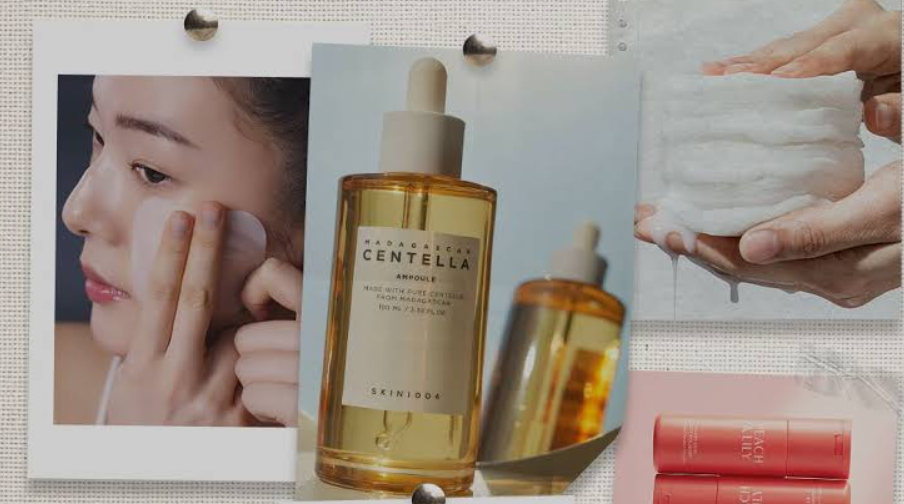
- Ampoules
- Moisturizers
- Sunscreens
- Sleeping masks
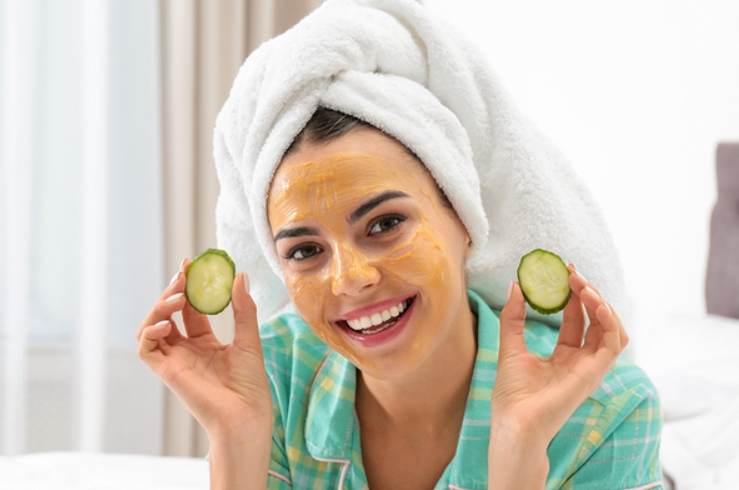
- Sheet masks
You do not need to use all of these products.
For beginners, it is better to start with a few essentials and add products according to your skin’s needs.
Korean Skincare Routine for Beginners at a Glance
| Step | Product | Morning | Night |
|---|---|---|---|
| 1 | Cleanser | Yes | Yes |
| 2 | Toner | Optional | Optional |
| 3 | Essence | Optional | Optional |
| 4 | Serum | Optional | Optional |
| 5 | Moisturizer | Yes | Yes |
| 6 | Sunscreen | Yes | No |
| 7 | Sleeping mask | No | Optional |
The most important steps are cleansing, moisturizing, and daytime sun protection.
Morning Korean Skincare Routine
A beginner-friendly morning routine can be surprisingly simple.
Step 1: Gentle Cleanser
Start with a gentle cleanser to remove overnight sweat, oil, and product residue.
Choose a cleanser that leaves your skin feeling comfortable rather than excessively tight.
If your skin is dry or sensitive, you may find that a very gentle cleanser works better than a strong foaming formula.
Use lukewarm water and avoid aggressive rubbing.
Step 2: Toner
Toner is optional, but it is a popular part of many Korean skincare routines.
A hydrating toner can add another layer of moisture and prepare the skin for subsequent products.
Beginners should avoid feeling pressured to use toners with strong exfoliating ingredients.
If your main goal is hydration, look for a simple moisturizing toner.
Step 3: Essence
Essence is another optional step.
Many essences are lightweight and designed to provide hydration and skin-conditioning benefits.
If you are just starting out, you can skip essence and add it later if you feel that your routine needs an additional hydration step.
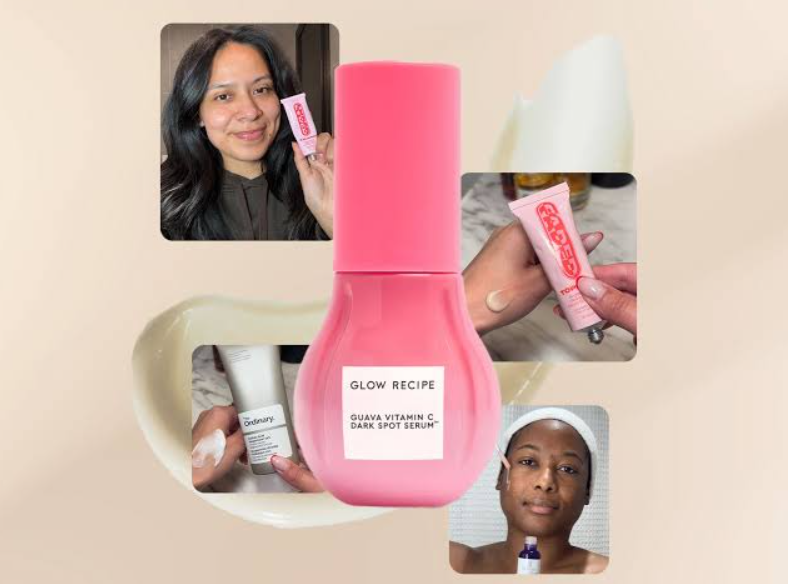
Step 4: Serum
Serums are concentrated skincare products designed around particular skin concerns.
Depending on your needs, you might find serums focused on:
- Hydration
- Uneven skin tone
- Dark spots
- Oil control
- Skin barrier support
- Signs of aging
Do not introduce several serums at the same time.
Start with one product and see how your skin responds.
Step 5: Moisturizer
Moisturizer helps support comfortable, hydrated skin.
Choose a texture according to your skin type.
| Skin Type | Moisturizer Texture |
|---|---|
| Oily | Lightweight gel or lotion |
| Dry | Cream or richer moisturizer |
| Combination | Lightweight cream or lotion |
| Sensitive | Simple, gentle moisturizer |
| Normal | Lotion, cream, or gel depending on preference |
A moisturizer is an important step even if you have oily skin.
Step 6: Sunscreen
Sunscreen should be the final step of your morning skincare routine before makeup.
Choose a broad-spectrum sunscreen that feels comfortable enough to use consistently.
If you spend extended periods outdoors, follow the sunscreen’s instructions regarding reapplication.
Night Korean Skincare Routine
The nighttime routine can include a few additional steps.
Step 1: Remove Makeup and Sunscreen
If you wear makeup or water-resistant sunscreen, start by removing it with a suitable makeup remover or cleansing product.
Be gentle around the eyes and avoid excessive rubbing.
Step 2: Cleanser
Follow with your regular cleanser.
This two-step approach is often called double cleansing.
What Is Double Cleansing?
Double cleansing involves using an oil-based or makeup-removing cleanser first, followed by a water-based cleanser.
The first step can help remove makeup, sunscreen, and oil-based residue.
The second cleanser helps clean the skin.
Double cleansing can be useful for some people, but it is not mandatory every night for everyone.
If your skin becomes dry or irritated, simplify your routine.
Step 3: Toner
Apply a hydrating toner if you use one.
Gently pat or spread the product across your skin rather than rubbing aggressively.
Step 4: Essence
If you have an essence in your routine, apply it after toner.
Because essences are usually lightweight, they generally come before heavier creams.
Step 5: Serum
Apply your chosen serum.
Use the amount recommended by the product rather than assuming that more product will provide better results.
Step 6: Moisturizer
Finish with moisturizer to help keep your skin comfortable overnight.
If your skin is particularly dry, you can choose a richer nighttime moisturizer.
Beginner-Friendly Korean Skincare Routine
If you are overwhelmed by all the available products, start here.
Morning
Cleanser → Moisturizer → Sunscreen
Night
Cleanser → Moisturizer
Once your skin is comfortable with these basic steps, you can add a hydrating toner or serum.
This approach is often easier for beginners because it allows you to understand how your skin reacts to each product.
Korean Skincare Routine for Dry Skin
Dry skin often benefits from a focus on hydration and moisture.
Morning
Gentle cleanser → Hydrating toner → Essence → Moisturizer → Sunscreen
Night
Cleanser → Hydrating toner → Essence → Serum → Rich moisturizer
You do not need every step.
If your skin feels comfortable with only cleanser, moisturizer, and sunscreen, there is no need to add more products.
Korean Skincare Routine for Oily Skin
Oily skin can still become dehydrated, so avoid trying to remove every trace of oil.
A simple routine might be:
Morning: Cleanser → Lightweight toner → Lightweight moisturizer → Sunscreen
Night: Cleanser → Serum → Lightweight moisturizer
Gel-based or lightweight products may feel more comfortable for some oily skin types.
Korean Skincare Routine for Combination Skin
Combination skin often has both oily and dry areas.
For example, the forehead and nose may become oily while the cheeks feel drier.
Use lightweight hydration throughout the face and adjust the amount of moisturizer according to your skin’s needs.
Morning
Cleanser → Toner → Lightweight moisturizer → Sunscreen
Night
Cleanser → Serum → Moisturizer
Korean Skincare Routine for Sensitive Skin
If your skin is sensitive, simplicity is especially important.
Start with:
Gentle cleanser → Moisturizer → Sunscreen
Once your skin is comfortable, you can gradually introduce other products.
Look for formulas that your skin already tolerates well, and be cautious with strong exfoliating ingredients and heavily fragranced products if those are known triggers for you.
How to Layer Korean Skincare Products
A common rule is to apply products from lighter textures to heavier textures.
A typical order is:
Cleanser → Toner → Essence → Serum → Moisturizer → Sunscreen
At night, sunscreen is not necessary.
The exact order can vary depending on the products you use, so follow individual product directions when they differ.
How to Choose Korean Skincare Products
There are countless Korean skincare products available, so beginners should shop according to skin needs rather than trends.
For Hydration
Look for ingredients commonly used in moisturizing products, such as:
- Glycerin
- Hyaluronic acid
- Panthenol
- Ceramides
For Uneven Skin Tone
You may find products containing:
- Niacinamide
- Vitamin C
- Licorice-derived ingredients
For Oily Skin
Consider lightweight formulas and ingredients designed to support balanced-looking skin.
For Sensitive Skin
Focus on simple formulas and avoid ingredients you already know irritate your skin.
How Many Korean Skincare Products Do Beginners Need?
You do not need ten products.
A practical beginner collection can contain:
| Product | Priority |
|---|---|
| Gentle cleanser | Essential |
| Moisturizer | Essential |
| Sunscreen | Essential |
| Hydrating toner | Optional |
| Serum | Optional |
| Essence | Optional |
| Sheet mask | Optional |
Start with the essentials and add products only when you have a reason to use them.
Are Korean Skincare Products Suitable for Everyone?
Korean skincare is a broad category rather than one specific type of formula.
Some products may work beautifully for one person and cause irritation for another.
Consider:
- Your skin type
- Your current concerns
- Product ingredients
- Fragrance sensitivity
- Your existing skincare routine
Do not assume that every popular K-beauty product will suit your skin.
How to Introduce New Korean Skincare Products
Introducing several products simultaneously can make it difficult to identify what is helping or irritating your skin.
Instead:
- Start with your basic routine.
- Add one new product.
- Use it according to its instructions.
- Observe how your skin responds.
- Add another product only when you are comfortable with the first.
If a product causes significant irritation, stop using it.
Common Korean Skincare Mistakes Beginners Make
Using Too Many Products
More steps do not automatically mean better skin.
Trying Every Viral Product
A product’s popularity does not guarantee that it is suitable for your skin.
Over-Exfoliating
Using multiple exfoliating products can leave the skin irritated.
Skipping Sunscreen
A long skincare routine is less useful if you consistently skip daytime sun protection.
Changing Products Too Frequently
Give yourself time to understand how a product works for your skin.
Applying Too Much Product
Follow the recommended amount.
Using excessive product can make your routine expensive and unnecessarily heavy.
How to Build a Budget-Friendly Korean Skincare Routine
You can enjoy Korean skincare without purchasing an entire collection.
Prioritize:
1. Cleanser
Choose a gentle product that suits your skin.
2. Moisturizer
Select a comfortable formula that you can use every day.
3. Sunscreen
Make this a priority for daytime.
4. One Treatment
If you have a specific concern, add one serum or treatment.
You can skip multiple essences, masks, and specialty products until you know you actually need them.
Can Beginners Use Korean Sheet Masks?
Yes, sheet masks can be an optional part of a skincare routine.
They can provide a temporary hydrating or soothing experience depending on the formula.
However, you do not need to use them every day.
If a sheet mask causes itching, burning, or redness, remove it and discontinue use.
How Long Does Korean Skincare Take to Work?
Results depend on the product and the concern you are trying to address.
Hydration and skin comfort may improve relatively quickly, while concerns such as uneven tone, acne, or signs of aging can take longer.
Consistency is more important than constantly changing products.
Do not expect an overnight transformation.
FAQs About the Best Korean Skincare Routine for Beginners
1. What is the best Korean skincare routine for beginners?
Start with a gentle cleanser, moisturizer, and sunscreen. Once your skin is comfortable, you can add a hydrating toner or serum.
2. How many steps should a beginner Korean skincare routine have?
A three-step routine is enough to start: cleanser, moisturizer, and sunscreen. Additional steps are optional.
3. What order should I apply Korean skincare?
A common order is cleanser, toner, essence, serum, moisturizer, and sunscreen in the morning. At night, sunscreen is omitted.
4. Is Korean skincare good for sensitive skin?
Some Korean skincare products can be suitable for sensitive skin, but individual formulas vary. Choose gentle products that your skin tolerates and introduce them gradually.
5. Do I need toner in Korean skincare?
No. Toner is optional. If your cleanser and moisturizer already work well, you can skip toner.
6. Is double cleansing necessary?
Not for everyone. It can be useful for removing makeup and sunscreen, but a simpler cleansing routine may be sufficient depending on your skin and products.
7. Can I use Korean skincare if I have oily skin?
Yes. Choose lightweight products and avoid excessively stripping the skin.
8. Can I use Korean skincare every day?
Many basic skincare products are designed for daily use, but always follow individual product instructions. Strong treatments may have different recommended frequencies.
9. Should I use a Korean serum every day?
It depends on the serum and its ingredients. Hydrating serums may be suitable for regular use, while stronger active treatments may require less frequent application.
10. What is the most important Korean skincare step?
For a beginner, consistent cleansing, moisturizing, and daytime sun protection are the most practical foundation steps.
Final Thoughts
The best Korean skincare routine for beginners does not have to involve ten or more products. Start with the basics and build your routine gradually.
A simple morning routine can be cleanser, moisturizer, and sunscreen, while your nighttime routine can be cleanser and moisturizer. Once your skin is comfortable, you can add optional products such as toner, essence, or serum according to your specific needs.
The most important part of Korean skincare is not the number of steps. It is choosing suitable products, applying them consistently, protecting your skin during the day, and avoiding unnecessary irritation. A simple routine that you can maintain every day is often a much better starting point than an overwhelming collection of products.