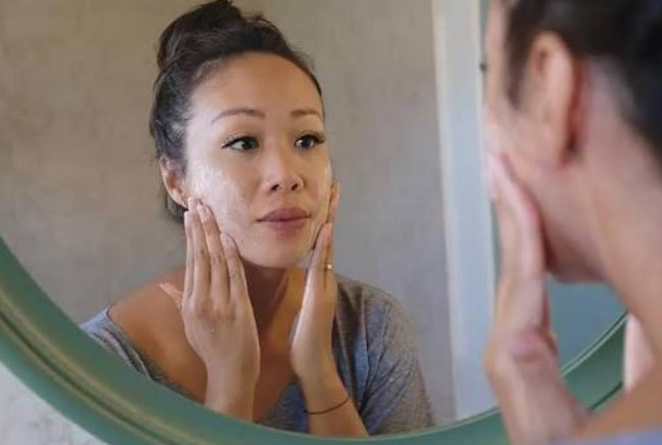
Your skincare needs can change as you move through your 30s. You may begin noticing fine lines, uneven skin tone, dryness, dullness, or changes in skin texture. This does not mean you need an expensive or complicated routine.
A good anti aging skincare routine for women over 30 should focus on protecting the skin, maintaining hydration, supporting the skin barrier, and addressing specific concerns with suitable ingredients.
The most important thing is consistency. A simple routine that you follow regularly can be more practical than using numerous products occasionally.
What Changes in Your 30s?
Everyone’s skin ages differently. Genetics, sun exposure, lifestyle, environment, and skincare habits can all influence how your skin looks.
Some common concerns during your 30s include:
- Fine lines
- Uneven skin tone
- Dark spots
- Dull-looking skin
- Dryness
- Loss of firmness
- Uneven texture
- Dehydration
You do not need to treat every concern at the same time.
Start with the basics and add targeted products according to your individual needs.
Anti Aging Skincare Routine at a Glance
| Step | Morning | Night | Main Purpose |
|---|---|---|---|
| Cleanser | Yes | Yes | Removes buildup |
| Antioxidant serum | Optional | Optional | Supports skin against environmental stress |
| Moisturizer | Yes | Yes | Hydration and barrier support |
| Sunscreen | Yes | No | Helps protect against UV damage |
| Retinoid | No | Optional | Targets fine lines and texture |
| Exfoliant | Optional | Optional | Supports smoother texture |
| Eye cream | Optional | Optional | Targets the eye area |
You do not need every step.
For most beginners, cleanser, moisturizer, and sunscreen provide the foundation.
Morning Anti Aging Skincare Routine
A good morning routine should focus heavily on hydration and protection.
Step 1: Gentle Cleanser
Start with a gentle cleanser to remove excess oil, sweat, and overnight skincare residue.
Avoid overly aggressive cleansing, particularly if your skin tends to feel dry or tight afterward.
Use lukewarm water and gently pat your skin dry.
Step 2: Antioxidant Serum
An antioxidant serum is optional but can be useful if you want to target uneven tone or protect your skin from environmental stress.
Vitamin C is a popular choice.
Other antioxidant ingredients may also be found in skincare products.
If you have sensitive skin, start with a gentle formula and introduce it gradually.
Step 3: Moisturizer
Apply a moisturizer suited to your skin type.
Hydration can make the skin appear smoother and more comfortable.
Look for moisturizing ingredients such as:
- Glycerin
- Ceramides
- Hyaluronic acid
- Squalane
- Panthenol
You do not need an expensive moisturizer. Choose one that feels comfortable and works well for your skin.
Step 4: Sunscreen
Sunscreen is one of the most important parts of an anti-aging skincare routine.
Use a broad-spectrum sunscreen during the day.
Regular sun protection can help reduce cumulative UV-related skin damage and the appearance of concerns such as uneven pigmentation and premature skin aging.
Apply sunscreen as the final skincare step before makeup.
If you spend extended time outdoors, follow the product’s instructions for reapplication.
Night Anti Aging Skincare Routine
Nighttime is a good opportunity to use targeted skincare ingredients.
A simple routine can be:
Cleanser → Treatment → Moisturizer
You can adjust the treatment step according to your skin concerns.
Retinoids for Women Over 30
Retinoids are among the most commonly used ingredients in anti-aging skincare.
They are available in different forms and strengths.
Retinoids can help address concerns such as:
- Fine lines
- Uneven texture
- Uneven skin tone
- Certain types of acne
However, they can also cause dryness or irritation, especially when you first start using them.
How to Start a Retinoid
If you have never used one before:
- Start with a suitable low-strength product.
- Use it according to the product’s instructions.
- Begin gradually rather than using it excessively.
- Apply moisturizer as needed.
- Use sunscreen consistently during the day.
Do not automatically assume that stronger means better.
If you are pregnant, trying to become pregnant, or breastfeeding, discuss retinoid use with a qualified healthcare professional before using these products.
How Often Should You Use Retinoids?
There is no need to start with nightly use.
Beginners may introduce a retinoid gradually according to the product directions and their skin’s tolerance.
If you experience persistent burning, significant redness, or severe irritation, stop using the product and consider seeking professional advice.
Vitamin C for Anti Aging Skincare
Vitamin C is another popular ingredient for mature or aging skin.
It is commonly used to support:
- Brighter-looking skin
- More even-looking skin tone
- Antioxidant protection
- The appearance of dark spots
Vitamin C products vary significantly in formulation and strength.
If your skin is sensitive, introduce vitamin C carefully.
A simple morning routine could be:
Cleanser → Vitamin C serum → Moisturizer → Sunscreen
Hyaluronic Acid for Hydration
Hyaluronic acid is commonly found in hydrating serums and moisturizers.
It can help support skin hydration and give the skin a smoother, plumper appearance.
It is particularly useful if your main concern is dehydration or dryness.
You do not necessarily need a separate hyaluronic acid serum if your moisturizer already contains hydrating ingredients.
Niacinamide for Women Over 30
Niacinamide is a versatile skincare ingredient commonly used for several skin concerns.
It may help support:
- Skin barrier function
- More even-looking skin tone
- Oil balance
- Overall skin appearance
It is available in many moisturizers and serums.
If you already use several active ingredients, there may be no need to add a separate niacinamide serum.
Peptides in Anti Aging Skincare
Peptides are commonly included in skincare products marketed for aging skin.
They can be found in:
- Serums
- Moisturizers
- Eye creams
- Night creams
If you enjoy using peptide products, they can be incorporated into a simple routine.
However, you do not need to use peptides, retinoids, vitamin C, and multiple other actives simultaneously.
Choose products based on your specific concerns.
Exfoliation for Women Over 30
Exfoliation can help improve the appearance of uneven texture and dullness.
Common exfoliating ingredients include:
- AHAs
- BHAs
- PHAs
However, excessive exfoliation can damage the skin barrier and cause irritation.
If you already use a retinoid or other active ingredients, be particularly careful about adding exfoliants.
Start slowly and avoid using multiple strong treatments at once.
Best Anti Aging Routine for Dry Skin
If your skin is dry, focus on hydration and barrier support.
Morning
Gentle cleanser → Hydrating serum → Moisturizer → Sunscreen
Night
Gentle cleanser → Retinoid on suitable nights → Rich moisturizer
Use the retinoid gradually if you are new to it.
Avoid excessive exfoliation if your skin already feels dry.
Best Anti Aging Routine for Oily Skin
Oily skin still needs hydration and sun protection.
Morning
Gentle cleanser → Lightweight serum → Lightweight moisturizer → Sunscreen
Night
Cleanser → Retinoid or suitable treatment → Lightweight moisturizer
Choose lightweight textures if richer products feel uncomfortable.
Anti Aging Routine for Sensitive Skin
If your skin is sensitive, keep the routine simple.
Morning
Gentle cleanser → Moisturizer → Sunscreen
Night
Gentle cleanser → Moisturizer
Once your skin is comfortable, introduce one active ingredient at a time.
Do not start multiple anti-aging products simultaneously.
Anti Aging Routine for Combination Skin
Combination skin can benefit from a balanced approach.
Use lightweight hydration throughout the face and apply richer moisturizer to dry areas if needed.
Morning
Cleanser → Antioxidant serum → Moisturizer → Sunscreen
Night
Cleanser → Targeted treatment → Moisturizer
Adjust the products according to how different areas of your skin feel.
Eye Cream: Do You Really Need It?
Eye cream is optional.
The skin around the eyes can be delicate, but you do not necessarily need a separate eye cream to maintain it.
A suitable moisturizer may be enough for some people.
If you choose an eye product, use it according to its instructions and avoid getting skincare products directly into your eyes.
How to Prevent Premature Skin Aging
Skincare is only one part of maintaining healthy-looking skin.
Helpful habits include:
- Using sunscreen consistently
- Avoiding excessive sun exposure
- Not smoking
- Getting adequate sleep
- Eating a balanced diet
- Staying physically active
- Managing stress
- Keeping your skincare routine consistent
You do not need to make dramatic lifestyle changes overnight.
Small, sustainable habits can be easier to maintain.
Affordable Anti Aging Skincare Routine
You do not need a luxury skincare collection.
Prioritize your budget like this:
| Product | Priority |
|---|---|
| Sunscreen | Essential |
| Moisturizer | Essential |
| Gentle cleanser | Essential |
| Retinoid | Optional targeted treatment |
| Vitamin C | Optional |
| Exfoliant | Optional |
| Eye cream | Optional |
| Peptide serum | Optional |
If your budget is limited, focus on sunscreen, cleanser, and moisturizer first.
Then add one targeted product according to your main concern.
Common Anti Aging Skincare Mistakes
Using Too Many Active Ingredients
Combining multiple strong ingredients can increase irritation.
Introduce new actives one at a time.
Skipping Sunscreen
Using expensive anti-aging products while regularly skipping sunscreen can undermine your overall skincare routine.
Starting Retinoids Too Aggressively
More frequent application does not necessarily produce better results.
Start gradually.
Over-Exfoliating
Exfoliation should not leave your skin constantly irritated.
Changing Products Too Frequently
Give your routine time to work unless a product causes irritation.
Forgetting the Neck
If you apply skincare to your neck, use suitable products gently and protect the area from sun exposure as well.
Expecting Instant Results
Fine lines, pigmentation, and texture generally do not change overnight.
Consistency matters.
Simple Weekly Anti Aging Skincare Schedule
A simple schedule can help prevent overuse of active ingredients.
| Day | Morning | Night |
|---|---|---|
| Monday | Basic routine + sunscreen | Retinoid + moisturizer |
| Tuesday | Basic routine + sunscreen | Cleanser + moisturizer |
| Wednesday | Basic routine + sunscreen | Retinoid + moisturizer |
| Thursday | Basic routine + sunscreen | Cleanser + moisturizer |
| Friday | Basic routine + sunscreen | Retinoid + moisturizer |
| Saturday | Basic routine + sunscreen | Hydrating routine |
| Sunday | Basic routine + sunscreen | Cleanser + moisturizer |
This is only an example. Follow the directions of your specific products and adjust according to your skin’s tolerance.
When Should Women Over 30 Start Anti Aging Skincare?
There is no specific age at which you must start using anti-aging products.
You can focus on basic skin health at any age.
In your 30s, it can be useful to prioritize:
- Sun protection
- Hydration
- Gentle cleansing
- Skin barrier support
- Targeted ingredients for specific concerns
You do not need to wait until you notice significant wrinkles before taking care of your skin.
FAQs About Anti Aging Skincare for Women Over 30
1. What is the best anti aging skincare routine for women over 30?
A simple routine can include gentle cleansing, moisturizer, and sunscreen in the morning, followed by cleansing, a suitable treatment, and moisturizer at night.
2. Should women over 30 use retinol?
Retinoids can be useful for addressing fine lines, texture, and other skin concerns. If you choose to use one, start gradually and follow the product instructions.
3. Is sunscreen important for anti aging?
Yes. Consistent sun protection is one of the most important parts of protecting skin from UV-related damage.
4. What is the best anti aging ingredient?
There is no single best ingredient for everyone. Retinoids, vitamin C, niacinamide, peptides, and moisturizing ingredients can each have different roles.
5. Can I use vitamin C and retinol together?
They can both be part of an overall skincare routine, but beginners may find it easier to use them at different times or introduce them separately to reduce the chance of irritation.
6. How often should women over 30 exfoliate?
It depends on the exfoliating product and your skin’s tolerance. More exfoliation is not necessarily better. Avoid over-exfoliating, particularly when using other active ingredients.
7. Do I need an expensive anti aging moisturizer?
No. An affordable moisturizer that keeps your skin comfortable and hydrated can be perfectly suitable.
8. Is eye cream necessary after 30?
No. Eye cream is optional. A suitable moisturizer may be enough for some people.
9. Can anti aging skincare remove wrinkles?
Skincare can improve the appearance of some signs of aging, but no skincare routine can completely stop or reverse the natural aging process.
10. How long does anti aging skincare take to work?
Results vary depending on the product, ingredient, concern, and individual skin. Consistent use over time is generally more useful than frequently changing products.
Final Thoughts
A good anti aging skincare routine for women over 30 does not need to be complicated. Start with the essentials: gentle cleansing, moisturizing, and consistent daytime sunscreen.
Once those basics are established, you can add targeted ingredients such as vitamin C, niacinamide, peptides, or a suitable retinoid based on your individual concerns.
The most important principles are consistency, gradual introduction of active ingredients, adequate hydration, and protection from UV exposure. Your goal should not be to stop natural aging, but to maintain healthy, comfortable, and well-protected skin as your needs change over time.