
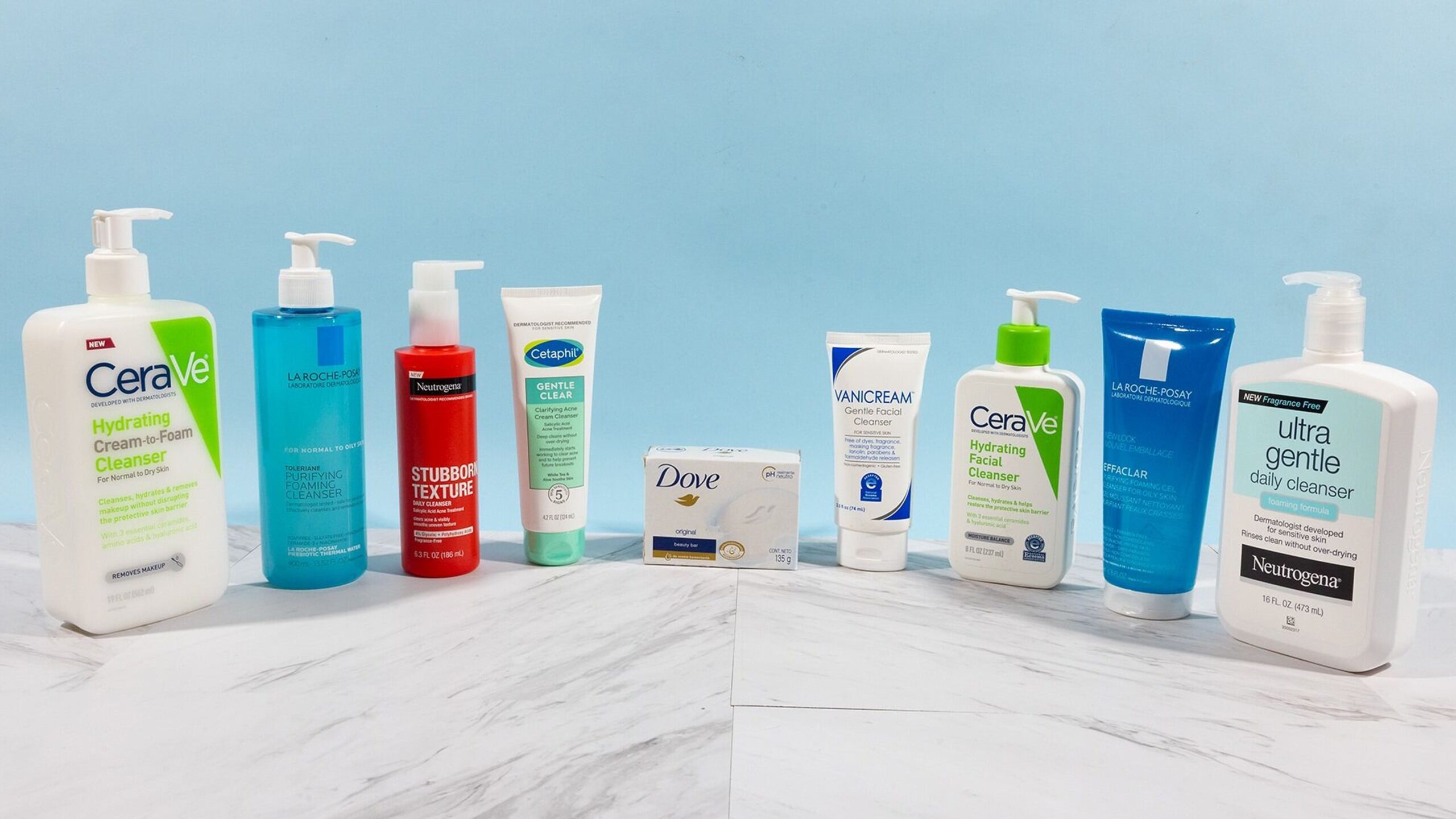
Finding the best face wash for acne prone skin under budget can feel difficult because there are countless skincare products available in the market. Many people believe effective acne treatments must be expensive, but that is not always true. Affordable face washes with the right ingredients can help control oil, reduce pimples, unclog pores, and improve overall skin health without spending too much money.
Acne-prone skin requires gentle but effective cleansing to remove dirt, bacteria, sweat, and excess oil. Choosing the wrong face wash may worsen breakouts, irritation, and dryness. This guide explains how to choose the best budget-friendly face wash for acne-prone skin and which ingredients work best.
Why Acne-Prone Skin Needs a Special Face Wash
Acne-prone skin produces excess oil and is more likely to develop clogged pores, pimples, blackheads, and whiteheads. Regular soaps or harsh cleansers may damage the skin barrier and increase irritation.
A good acne face wash helps:
- Remove excess oil
- Prevent clogged pores
- Reduce acne-causing bacteria
- Calm inflammation
- Improve skin texture
The right cleanser forms the foundation of every effective skincare routine.
Important Ingredients to Look For
When searching for an affordable acne face wash, focus more on ingredients than branding.
| Ingredient | Benefits for Acne-Prone Skin |
|---|---|
| Salicylic Acid | Deeply cleans pores and reduces blackheads |
| Niacinamide | Controls oil and reduces redness |
| Tea Tree Oil | Fights acne-causing bacteria |
| Benzoyl Peroxide | Treats active acne breakouts |
| Aloe Vera | Soothes irritation and hydrates skin |
| Charcoal | Removes dirt and impurities |
These ingredients help manage acne without excessively drying the skin.
Best Types of Face Wash for Acne-Prone Skin
Different skin types require different cleanser textures and formulas.
Gel-Based Face Wash
Gel cleansers are excellent for oily and acne-prone skin because they remove excess oil effectively without heavy residue.
Foam Cleansers
Foaming cleansers provide deep cleaning and help reduce greasy skin. However, extremely foamy products may dry sensitive skin.
Cream Cleansers
Cream-based cleansers are more suitable for acne-prone skin that also experiences dryness or irritation.
How to Choose the Right Budget Face Wash
Affordable skincare can still deliver great results if chosen carefully.
Check the Ingredient List
Avoid face washes containing excessive alcohol, artificial fragrance, or harsh sulfates.
Match Your Skin Type
Oily skin usually benefits from oil-control formulas, while combination skin may need balanced hydration.
Avoid Overly Harsh Products
Strong cleansers may strip natural oils and trigger more breakouts.
Choose Non-Comedogenic Products
Non-comedogenic products are designed not to clog pores.
Benefits of Using a Good Acne Face Wash
A quality face wash can improve skin significantly over time.
Reduces Excess Oil
Proper cleansing controls shine and greasy skin throughout the day.
Prevents Future Breakouts
Removing dirt and bacteria helps minimize acne formation.
Improves Skin Texture
Regular cleansing keeps pores clear and smooths rough skin.
Supports Other Skincare Products
Clean skin absorbs serums and moisturizers more effectively.
Common Mistakes When Washing Acne-Prone Skin
Many people accidentally worsen their acne through incorrect cleansing habits.
Washing Too Frequently
Overwashing can dry out the skin and increase oil production.
Using Hot Water
Very hot water may irritate sensitive acne-prone skin.
Scrubbing Aggressively
Harsh scrubbing damages the skin barrier and increases inflammation.
Skipping Moisturizer
Even oily skin requires hydration to remain balanced.
Gentle care produces better long-term results than aggressive treatments.
Daily Face Washing Routine
Following a simple routine improves skin consistency.
| Time | Routine Step |
|---|---|
| Morning | Wash face with gentle acne cleanser |
| Afternoon | Use blotting paper if skin gets oily |
| Night | Remove dirt and wash face before sleeping |
Consistency matters more than using multiple expensive products.
Best Skincare Habits for Acne-Prone Skin
Healthy skincare habits support cleaner skin naturally.
Keep Pillowcases Clean
Dirty pillowcases collect oil and bacteria that can trigger breakouts.
Avoid Touching the Face
Hands transfer dirt and bacteria to the skin.
Stay Hydrated
Drinking water helps maintain healthy skin balance.
Eat a Balanced Diet
Limiting oily and sugary foods may help reduce acne in some individuals.
Budget-Friendly Skincare Tips
You do not need expensive products to maintain healthy skin.
Buy Essential Products Only
Focus on cleanser, moisturizer, and sunscreen first.
Avoid Following Every Trend
Too many products can irritate acne-prone skin.
Use Products Consistently
Affordable products often work well when used regularly.
Simple routines are usually easier to maintain and more effective long term.
Importance of Moisturizer After Cleansing
Many people with acne avoid moisturizer fearing more breakouts. However, dehydrated skin can produce even more oil.
Look for:
- Oil-free moisturizers
- Gel-based formulas
- Non-comedogenic labels
Hydrated skin heals faster and feels healthier.
Why Sunscreen Matters for Acne-Prone Skin
Acne treatments can make the skin sensitive to sunlight. Daily sunscreen protects against:
- Dark spots
- Acne scars
- Premature aging
- Sun damage
Lightweight and non-greasy sunscreens work best for acne-prone skin.
Natural Ingredients That Help Acne
Certain natural ingredients support acne control gently.
Neem
Neem has antibacterial and anti-inflammatory properties.
Green Tea
Green tea helps calm redness and excess oil.
Aloe Vera
Aloe vera soothes irritated and inflamed skin.
Natural ingredients can complement a regular skincare routine effectively.
Skincare for Men and Women
Acne-prone skin affects both men and women similarly. Consistent cleansing and oil control are essential regardless of gender.
Many skincare practices overlap with routines like Skincare Routine for Men to Remove Blackheads and Whiteheads because both focus on unclogging pores, controlling oil, and maintaining healthy skin.
Signs Your Face Wash Is Not Suitable
Stop using a face wash if you experience:
- Burning sensation
- Excessive dryness
- Increased redness
- More breakouts
- Peeling skin
Switching to gentler products may improve skin balance.
FAQs
Which ingredient is best for acne-prone skin?
Salicylic acid is one of the best ingredients because it deeply cleans pores and reduces acne buildup.
Can budget face washes really work?
Yes, many affordable face washes contain effective acne-fighting ingredients and work very well with consistent use.
How many times should acne-prone skin be washed daily?
Twice daily is usually ideal. Overwashing may irritate the skin.
Is foaming face wash good for acne?
Foaming cleansers can work well for oily skin, but very harsh formulas should be avoided.
Should acne-prone skin use moisturizer?
Yes, proper hydration helps balance oil production and supports skin healing.
Final Thoughts
Choosing the best face wash for acne prone skin under budget does not require expensive skincare products. The key is selecting gentle cleansers with effective ingredients like salicylic acid, niacinamide, and tea tree oil.