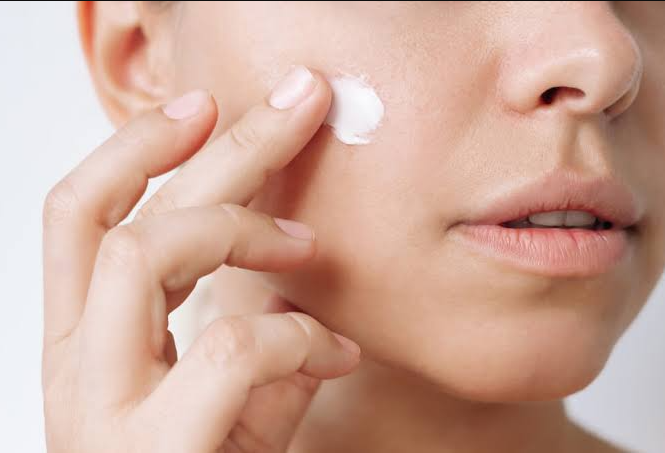
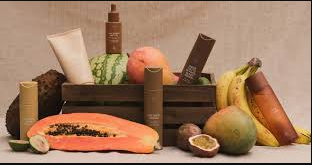
Healthy, glowing skin does not always require an expensive skincare routine. Many natural ingredients can provide hydration, nourishment, and antioxidant support when used appropriately.
The best natural ingredients for a healthy glowing complexion include aloe vera, honey, oatmeal, green tea, jojoba oil, shea butter, and other plant-derived ingredients. However, natural does not automatically mean safe for everyone. Some ingredients can cause irritation or allergic reactions, particularly when applied directly to the skin.
The best approach is to choose ingredients based on your skin type, introduce them gradually, and avoid aggressive DIY treatments.
What Creates a Healthy-Looking Complexion?
A healthy-looking complexion generally appears hydrated, smooth, comfortable, and relatively even in tone.
Several factors influence your skin’s appearance, including:
- Hydration
- Sun exposure
- Skincare habits
- Sleep
- Nutrition
- Stress
- Environment
- Genetics
- Age
Natural skincare ingredients can complement a basic routine, but they cannot replace important habits such as sun protection and gentle cleansing.
1. Aloe Vera
Aloe vera is one of the most popular natural skincare ingredients.
Its lightweight texture makes it particularly appealing for people who want soothing hydration without a heavy or greasy feeling.
Aloe vera-based products may be suitable for:
- Dry-feeling skin
- Skin exposed to environmental stress
- Lightweight hydration
- Simple skincare routines
Choose a properly formulated aloe vera skincare product rather than assuming that applying raw plant material directly to your face is always better.
2. Honey
Honey is commonly used in traditional skincare routines because of its moisturizing properties.
It can help the skin feel soft and hydrated.
Honey is also popular in homemade face masks, although people with sensitive skin should be cautious when experimenting with DIY ingredients.
If you have a history of allergies, test products carefully and avoid applying anything that causes irritation.
3. Oatmeal
Oatmeal is a gentle natural ingredient that can be useful in skincare products designed for dry or sensitive skin.
Colloidal oatmeal is particularly common in moisturizers and soothing skincare formulations.
It may help provide:
- Moisture
- Comfort
- Skin-softening effects
- Support for dry-feeling skin
Rather than using rough ground oats as a facial scrub, look for properly formulated colloidal oatmeal products.
4. Green Tea
Green tea contains naturally occurring antioxidants and is widely used in skincare formulations.
Green tea extracts are found in creams, serums, masks, and cleansers.
Antioxidant-rich ingredients can complement a skincare routine focused on maintaining healthy-looking skin.
Green tea skincare products may be particularly appealing to people who want a lightweight antioxidant ingredient without a complicated routine.
5. Jojoba Oil
Jojoba oil is a plant-derived oil commonly used in moisturizers and facial oils.
Its texture can make it a useful option for people looking for additional moisture.
It may be particularly helpful for dry-feeling skin, although individual reactions vary.
If you have oily or acne-prone skin, introduce facial oils carefully rather than assuming that every natural oil will suit your skin.
6. Shea Butter
Shea butter is a rich plant-derived ingredient commonly found in moisturizers and body-care products.
It can provide substantial moisture and may be particularly useful for dry areas.
Because it has a rich texture, some people may find it too heavy for facial use, especially in hot or humid weather.
A shea-butter-containing moisturizer can be an easier option than applying pure shea butter directly to your face.
7. Rosehip Oil
Rosehip oil is another plant-derived ingredient frequently used in facial oils and moisturizers.
It contains various fatty acids and naturally occurring compounds that make it popular in skincare.
People often use rosehip oil as part of routines focused on maintaining a smooth and healthy-looking complexion.
As with any facial oil, introduce it gradually and stop using it if it causes irritation or breakouts.
8. Coconut Oil
Coconut oil is widely used as a natural moisturizer for the body.
However, it may not be the best facial moisturizer for everyone.
Some people find it too heavy or experience clogged pores when using it on their face.
If you have acne-prone skin, consider choosing a facial moisturizer specifically formulated for your skin type instead of automatically using coconut oil.
9. Cucumber
Cucumber is commonly associated with cooling and refreshing skincare.
Cucumber extracts can be found in masks, gels, and moisturizers.
Products containing cucumber can provide a refreshing skincare experience, particularly when the skin feels uncomfortable after exposure to heat.
However, cucumber does not need to be placed directly on your face to benefit from a skincare formulation containing its extract.
10. Chamomile
Chamomile is a botanical ingredient used in various skincare products.
It is often included in products designed for soothing and comforting the skin.
If you have sensitive skin, however, botanical ingredients can still cause reactions. Natural ingredients should always be treated as active ingredients rather than automatically assuming they are irritation-free.
11. Turmeric
Turmeric has a long history of traditional use and contains curcumin, a naturally occurring compound.
It is frequently used in homemade beauty treatments.
However, applying kitchen ingredients directly to the skin can be unpredictable. Turmeric can stain the skin temporarily and may cause irritation in some individuals.
A professionally formulated skincare product containing turmeric may be a more convenient option.
12. Squalane
Squalane is often associated with skincare products designed to provide lightweight moisture.
Modern cosmetic squalane is commonly derived from plant sources.
It can help give skin a soft, smooth feeling without necessarily having the heavy texture associated with some traditional facial oils.
It can be a useful ingredient for people who want additional moisture without a complicated routine.
Natural Ingredients Compared
| Natural Ingredient | Common Skincare Benefit | Best Suited For |
|---|---|---|
| Aloe vera | Lightweight hydration | Most skin types |
| Honey | Moisturizing | Dry-feeling skin |
| Oatmeal | Soothing and moisturizing | Sensitive or dry skin |
| Green tea | Antioxidant support | Most skin types |
| Jojoba oil | Moisturizing | Normal to dry skin |
| Shea butter | Rich hydration | Dry skin |
| Rosehip oil | Conditioning | Normal to dry skin |
| Coconut oil | Heavy moisturizing | Body or very dry areas |
| Cucumber | Refreshing feel | Most skin types |
| Chamomile | Soothing skincare | Many skin types |
| Turmeric | Traditional brightening use | Use cautiously |
| Squalane | Lightweight moisture | Most skin types |
Individual results can vary, and natural ingredients may still cause irritation.
How to Use Natural Ingredients Safely
Natural skincare should still be approached carefully.
Patch Test New Products
Test a new product on a small area according to its instructions before applying it broadly.
Avoid Strong DIY Mixtures
Combining multiple kitchen ingredients can make it difficult to know what is causing irritation.
Do Not Use Lemon Juice on Your Face
Lemon juice is sometimes promoted online as a natural brightening treatment, but applying acidic citrus juice directly to the skin can cause irritation and increase sensitivity to sunlight.
It is better to use professionally formulated skincare products for brightening concerns.
Be Careful With Essential Oils
Essential oils are highly concentrated and can irritate the skin when used incorrectly.
Never assume that because an ingredient comes from a plant, it can be safely applied directly to your face.
Natural Skincare Routine for Glowing Skin
You can incorporate naturally derived ingredients into a simple routine without making it complicated.
Morning
- Gentle cleanser
- Lightweight moisturizer
- Broad-spectrum sunscreen
Evening
- Gentle cleanser
- Natural-ingredient moisturizer or serum if desired
- Moisturizer
For beginners, the basic routine should come before experimenting with additional ingredients.
Natural Ingredients for Different Skin Types
Dry Skin
Look for moisturizing ingredients such as shea butter, jojoba oil, oatmeal, and squalane.
Oily Skin
Choose lightweight products and avoid automatically applying heavy oils.
Sensitive Skin
Oatmeal and simple moisturizing ingredients may be useful, but always introduce new products cautiously.
Combination Skin
Use lightweight hydration and adjust the amount of moisturizer according to different areas of your face.
Normal Skin
You have greater flexibility, but there is still no need for a complicated routine.
Can Natural Ingredients Make Skin Glow?
Hydration can make skin appear smoother and more radiant, and appropriate skincare can help maintain a healthy-looking complexion.
However, there is no single natural ingredient that guarantees glowing skin.
A healthy appearance is more likely to come from consistent skincare, sun protection, adequate sleep, balanced nutrition, and habits that support overall health.
Common Natural Skincare Mistakes
Assuming Natural Means Safe
Plant-based ingredients can still cause irritation or allergies.
Using Kitchen Ingredients Directly
Food ingredients are not necessarily formulated or tested for facial use.
Overusing Facial Oils
Too much oil can feel heavy and may not suit every skin type.
Skipping Sunscreen
Natural skincare ingredients do not replace sun protection.
Trying Several Ingredients at Once
Introduce new products gradually so you can identify what works for your skin.
Final Thoughts
The best natural ingredients for a healthy glowing complexion include aloe vera, oatmeal, honey, green tea, jojoba oil, shea butter, rosehip oil, and squalane.
However, the most important factor is not whether an ingredient is natural. It is whether the product is appropriate for your skin and used consistently.
Start with a simple routine built around gentle cleansing, moisturizing, and sunscreen. Then introduce one additional ingredient at a time if you have a specific skincare goal.
Avoid harsh DIY treatments, concentrated essential oils, and untested combinations. If your skin is sensitive or you have persistent acne, redness, itching, or inflammation, consider getting professional skincare advice.
Healthy-looking skin is a long-term process. A simple routine that protects and hydrates your skin is usually more valuable than constantly experimenting with new ingredients.
Frequently Asked Questions
What are the best natural ingredients for glowing skin?
Aloe vera, oatmeal, honey, green tea, jojoba oil, shea butter, rosehip oil, and squalane are popular natural or naturally derived skincare ingredients.
Can natural ingredients make your skin glow?
Hydrating and moisturizing ingredients can help skin look smoother and more radiant, but there is no ingredient that guarantees glowing skin.
Is aloe vera good for glowing skin?
Aloe vera can provide lightweight hydration and is commonly used in soothing skincare products.
Is honey safe for the face?
Some people use honey-based skincare products, but it can cause irritation or allergic reactions in certain individuals. Formulated products are generally more predictable than DIY applications.
Is oatmeal good for sensitive skin?
Colloidal oatmeal is commonly used in products designed for dry or sensitive skin.
Is green tea good for skin?
Green tea extract is widely used in skincare because it contains naturally occurring antioxidants.
Which natural ingredient is best for dry skin?
Ingredients such as shea butter, jojoba oil, oatmeal, and squalane can provide moisturizing benefits for dry-feeling skin.
Which natural ingredients are good for oily skin?
Lightweight ingredients and formulations are generally more comfortable for oily skin. Squalane and aloe vera-based products may be options, depending on individual tolerance.
Can I apply coconut oil to my face?
Some people use coconut oil on their skin, but it can feel heavy and may not suit acne-prone skin. A facial moisturizer formulated for your skin type may be a better option.
Is lemon juice good for glowing skin?
Applying lemon juice directly to the face is not recommended because it can irritate the skin and increase sensitivity to sunlight.
Can I use turmeric as a face mask?
Turmeric is traditionally used in beauty treatments, but DIY applications can cause staining or irritation. A formulated skincare product may be a more predictable option.
Are essential oils safe for facial skin?
Essential oils can irritate facial skin when used incorrectly. They should not be applied directly without appropriate dilution and product guidance.
How often should I use natural skincare ingredients?
It depends on the specific ingredient and formulation. Follow the product instructions and introduce new products gradually.
Do I still need sunscreen when using natural skincare?
Yes. Natural skincare ingredients do not replace broad-spectrum sunscreen.
What is the biggest mistake with natural skincare?
Assuming that natural automatically means safe is a common mistake. Natural ingredients can still cause irritation, allergies, or other reactions.