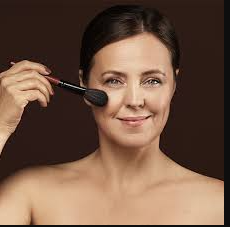
Makeup can enhance your natural features at any age, but the techniques that work well on younger skin may not always produce the same results on mature skin. As skin changes over time, it can become drier, more textured, or more prone to fine lines and uneven tone. Choosing the right products and applying them differently can help create a fresh, comfortable, and natural-looking finish.
The best makeup tips for mature skin focus on lightweight layers, good hydration, soft colors, and techniques that enhance rather than hide your features. You do not need heavy makeup to achieve a polished look.
Whether you are getting ready for work, a wedding, a party, or an everyday outing, these tips can help you create beautiful makeup that looks natural and flattering.
1. Start With Good Skincare
Great makeup starts with well-prepared skin.
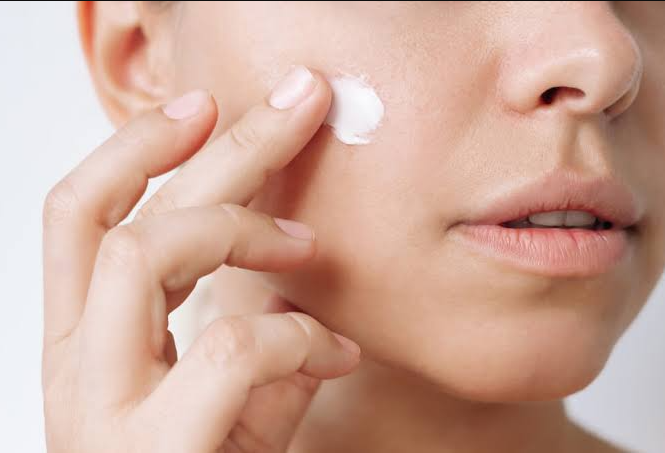
Before applying makeup, gently cleanse your face and apply a suitable moisturizer. If your skin is dry, allow your moisturizer a few minutes to absorb before beginning your makeup.
Hydrated skin can provide a smoother base and help makeup look less dry or flaky.
During the daytime, sunscreen should also be part of your skincare routine.
2. Use a Lightweight Primer
Primer can help create a smoother surface for makeup, but you do not necessarily need a thick layer.
Choose a hydrating or smoothing primer depending on your skin type. If you have visible pores or fine lines, you can apply a small amount specifically to those areas rather than covering your entire face.
Avoid using too much primer because excess product can cause foundation to move or settle into lines.
3. Choose the Right Foundation
Heavy, full-coverage foundation can sometimes emphasize texture and fine lines.
For mature skin, a lightweight or medium-coverage foundation with a natural or satin finish can be a better option. Look for formulas that provide hydration without feeling heavy.
Instead of applying a thick layer everywhere, start with a small amount and build coverage only where you need it.
This technique creates a more natural appearance while allowing your real skin to show through.
4. Avoid Too Much Powder
Powder can be useful for controlling shine, but excessive powder can make mature skin look dry or emphasize fine lines.
If your skin is dry, consider using powder only where necessary, such as around the nose or center of the forehead.
A light application with a soft brush can provide enough setting power without creating a heavy finish.
5. Use Concealer Strategically
You do not need to cover your entire under-eye area with a thick layer of concealer.
Choose a lightweight, moisturizing concealer and apply a small amount only where you need additional coverage.
For dark circles, select a shade that blends naturally with your complexion. Applying too much product underneath the eyes can make fine lines more noticeable.
Blend gently using your fingertip, sponge, or a small brush.
6. Choose Cream Blush
Cream blush can work beautifully on mature skin because it often creates a softer, more natural-looking finish.
Apply a small amount to the cheeks and blend toward the temples. Shades such as soft rose, peach, coral, and warm pink can add a healthy-looking touch of color.
Avoid applying too much blush at once. It is easier to build the color gradually than to remove excess product.
7. Use Cream or Satin Eyeshadows
Very dry, heavily glittered, or extremely powdery eyeshadows can sometimes emphasize eyelid texture.
Cream eyeshadows and finely milled satin formulas can provide a smoother appearance.
Neutral shades such as taupe, bronze, soft brown, champagne, rose, and muted plum can be flattering for everyday makeup.
If you enjoy shimmer, use it selectively rather than covering the entire eyelid with chunky glitter.
8. Keep Eye Makeup Soft
As the skin around the eyes changes, very thick or harsh eye makeup may look heavier than intended.
Instead of creating a very thick black line, try a soft brown, charcoal, or dark-plum eyeliner.
Apply eyeliner close to the lash line and gently soften the edges if desired.
A softer eye look can make the eyes appear defined without creating an overly dramatic effect.
9. Curl Your Lashes
An eyelash curler can make a noticeable difference to the overall appearance of your eyes.
Curl your lashes carefully before applying mascara. Then apply a lengthening or defining mascara to the upper lashes.
If your lashes are sparse, concentrate mascara at the roots and gently comb through the lengths.
Always use an eyelash curler carefully and avoid pulling on the lashes.
10. Shape Your Eyebrows Naturally
Brows can become thinner or lighter with age, so defining them can help frame the face.
Avoid creating extremely dark or sharply outlined brows. Instead, use a brow pencil, powder, or tinted gel close to your natural brow color.
Use small, hair-like strokes to fill sparse areas and then brush through the brows with a spoolie.
A softly defined brow generally looks more natural than a heavily drawn one.
11. Choose the Right Lip Products
Lips can become drier over time, so moisturizing lip products can be particularly useful.
Start with a lip balm or moisturizing base. Then use a lip liner close to your natural lip color or lipstick shade.
Lip liner can help define the shape of the lips and reduce the tendency of lipstick to move outside the lip line.
Creamy and satin-finish lipsticks can provide a comfortable appearance. Extremely dry matte formulas may emphasize lip texture.
12. Avoid Very Dark Lip Colors if You Want a Softer Look
Dark lipstick can look beautiful on mature skin, but very deep colors can sometimes make lips appear smaller.
If you want a fresh everyday appearance, consider shades such as rose, mauve, peach, soft berry, coral, or warm nude.
For special occasions, deeper shades can still work beautifully when balanced with softer eye makeup.
13. Use Highlighter Carefully
Highlighter can add luminosity, but large amounts of glitter can emphasize texture.
Instead of applying a strong highlighter directly over every fine line, use a subtle cream or satin highlighter on areas such as the tops of the cheekbones.
The goal is to create a soft glow rather than visible glitter.
14. Be Careful With Contouring
Heavy contouring can make the face look overly sculpted.
For mature skin, soft definition is often more flattering than sharp lines. Use a small amount of bronzer or contour product and blend it carefully.
Apply bronzer to areas where the sun would naturally touch the face, such as the forehead, cheekbones, and jawline.
15. Choose Blended Makeup Over Sharp Lines
One of the most important makeup tips for mature skin is to blend thoroughly.
Harsh lines can make makeup look heavier, while soft transitions create a more natural appearance.
Use clean brushes or sponges and take time to blend foundation, blush, eyeshadow, contour, and concealer.
16. Don’t Forget Your Neck
If you apply foundation to your face, remember to blend it naturally toward the jawline.
A noticeable difference between the face and neck can make makeup look less natural.
You do not necessarily need to apply a heavy layer of foundation to the neck. Simply make sure the transition is smooth.
17. Use Less Product
More makeup does not always mean better coverage.
Applying multiple thick layers can cause products to settle into fine lines and make texture more visible.
Start with a small amount of each product and add more only where needed.
This “less is more” approach can create a lighter and more youthful-looking finish without trying to hide natural features.
18. Choose Makeup Based on Your Skin Type
Mature skin can be dry, oily, combination, or sensitive, so age alone should not determine which products you use.
If your skin is dry, look for hydrating formulas. If you have oily areas, use lightweight products and apply powder selectively.
If your skin is sensitive, avoid products that consistently cause irritation and introduce new products gradually.
19. Refresh Makeup During the Day
Instead of adding more layers of powder throughout the day, gently remove excess shine with a tissue or blotting paper.
If your skin looks dry, a light facial mist or hydrating product may help refresh the appearance, depending on your makeup.
Avoid repeatedly applying thick foundation or powder over existing makeup.
20. Don’t Follow Every Beauty Trend
Makeup trends come and go. Not every trend needs to become part of your routine.
The best makeup is the makeup that makes you feel confident and comfortable.
You can experiment with colors, textures, and styles while choosing techniques that work with your individual features rather than trying to follow a specific age-related beauty rule.
Simple Makeup Routine for Mature Skin
If you prefer a quick everyday routine, try this order:
Step 1: Moisturizer and sunscreen
Step 2: Lightweight primer
Step 3: Lightweight foundation or tinted moisturizer
Step 4: Small amount of concealer
Step 5: Cream blush
Step 6: Soft eyeshadow
Step 7: Brown or soft eyeliner
Step 8: Mascara
Step 9: Naturally defined brows
Step 10: Lip liner and moisturizing lipstick
Step 11: Light setting powder where necessary
This routine can create a polished look without requiring a large collection of makeup products.
Common Makeup Mistakes on Mature Skin
Avoiding a few common mistakes can make a significant difference.
Applying Too Much Foundation
Heavy foundation can settle into lines and emphasize texture.
Using Too Much Powder
Excess powder can make the skin appear dry and flat.
Overdoing Contour
Strong contour lines can look harsh rather than natural.
Using Extremely Dry Lipstick
Very dry matte formulas can emphasize lip lines.
Creating Very Dark Eyebrows
Overly dark brows can make the entire face look heavier.
Applying Too Much Concealer
Thick concealer underneath the eyes can draw attention to fine lines.
Skipping Moisturizer
Dry skin can make makeup application more difficult and may result in a patchy finish.
FAQs About Makeup for Mature Skin
What type of foundation is best for mature skin?
A lightweight or medium-coverage foundation with a natural or satin finish is often a good choice. Hydrating formulas can be particularly comfortable for dry skin.
Should mature skin use powder?
Yes, but use it sparingly. Apply powder mainly to areas that become oily or where you need makeup to stay in place.
What is the best concealer for mature skin?
A lightweight, moisturizing concealer can work well. Avoid applying a thick layer under the eyes because it may emphasize fine lines.
Is cream blush better for mature skin?
Cream blush can provide a soft, natural finish and may work especially well on dry skin. However, the best formula depends on your skin type and personal preference.
What eyeshadow looks best on mature eyes?
Soft matte, satin, and subtle shimmer shades can create a flattering appearance. Neutral colors such as taupe, brown, bronze, rose, and muted plum are versatile choices.
How can I make my makeup look less cakey?
Use less product, moisturize your skin before makeup, choose lightweight formulas, and avoid applying excessive powder. Build coverage gradually rather than applying a thick layer.
How can I make my eyes look younger with makeup?
Define your brows naturally, curl your lashes, use soft eyeshadow shades, and apply a thin line of eyeliner close to the lashes. Avoid excessive heavy makeup around the eyes.
What lipstick is best for mature lips?
Moisturizing or satin-finish lipsticks are often comfortable and flattering. Lip liner can also help create a clean, defined lip shape.
Should mature skin use highlighter?
Yes, but use it lightly. A subtle cream or satin highlighter can add luminosity without emphasizing texture.
How can I make mature skin look glowing with makeup?
Start with well-moisturized skin, use lightweight foundation, add cream blush, choose subtle highlighter, and avoid excessive powder. A natural finish usually looks more radiant than heavy coverage.
Should I change my makeup routine as I get older?
Your skin and preferences can change over time, so adjusting your makeup routine can be helpful. You do not need to follow strict age-based rules; choose products and techniques that work comfortably for your skin.
Final Thoughts
The best makeup tips for mature skin are centered on enhancing your natural features rather than covering them with heavy layers. Good skincare preparation, lightweight foundation, strategic concealer, cream blush, soft eye makeup, naturally defined brows, and moisturizing lip products can create a beautiful and comfortable finish.
Remember that mature skin is not something that needs to be hidden. Fine lines, texture, and other natural changes are part of life. The goal of makeup is to help you feel confident, polished, and beautiful at any age.
Start with less product, blend carefully, keep your skin hydrated, and choose formulas that make you feel comfortable. With the right techniques, makeup can look fresh, elegant, and naturally radiant on mature skin.