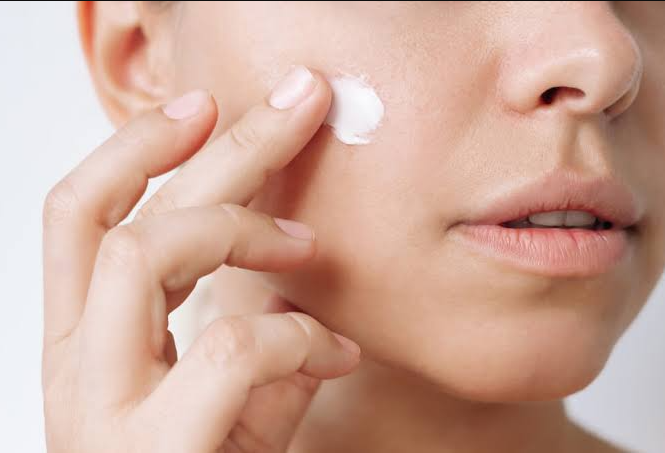
Choosing the right moisturizer is one of the most important steps in building an effective skincare routine. However, with hundreds of formulas, textures, and ingredients available, finding the right one can feel confusing.
The best moisturizer is not necessarily the most expensive product or the one that is trending online. It is the one that provides the right level of hydration for your skin without leaving it excessively greasy, dry, irritated, or uncomfortable.
Learning how to choose the right moisturizer for your skin type starts with understanding whether your skin is dry, oily, combination, sensitive, or normal. Once you understand your skin’s needs, it becomes much easier to choose a suitable formula.
Why Is Moisturizer Important?
Moisturizers help maintain hydration and support the skin barrier. They can reduce feelings of dryness and tightness while helping your skin feel smoother and more comfortable.
Even people with oily skin may benefit from moisturizer. Removing too much oil or repeatedly cleansing without moisturizing can leave the skin feeling uncomfortable.
A good moisturizer should fit naturally into your routine and be comfortable enough that you will use it consistently.
Understand Your Skin Type First
Before choosing a moisturizer, identify your general skin type.
Dry Skin
Dry skin often feels tight, rough, or flaky and may benefit from richer moisturizing products.
Oily Skin
Oily skin tends to produce more sebum and may appear shiny, particularly around the forehead, nose, and chin.
Combination Skin
Combination skin usually has both oily and dry areas.
Sensitive Skin
Sensitive skin may react more easily to certain ingredients and can experience redness, burning, itching, or irritation.
Normal Skin
Normal skin is generally balanced and comfortable without excessive dryness or oiliness.
Remember that skin type can change with seasons, age, climate, hormones, and skincare habits.
Best Moisturizer for Dry Skin
If you have dry skin, look for a moisturizer that provides substantial hydration and helps support the skin barrier.
Cream-based moisturizers are often more suitable than very lightweight gels.
Ingredients commonly found in moisturizing products include:
- Ceramides
- Glycerin
- Squalane
- Shea butter
- Hyaluronic acid
- Petrolatum
A richer moisturizer may be particularly useful at night.
If your skin becomes dry during colder weather, you may need to switch to a more nourishing formula temporarily.
Best Moisturizer for Oily Skin
People with oily skin sometimes avoid moisturizer because they are concerned about making their skin look greasier.
However, oily skin can still become dehydrated.
Look for lightweight products such as:
- Gel moisturizers
- Lightweight lotions
- Oil-free formulas
- Non-comedogenic products
Avoid choosing a moisturizer based only on the words “for oily skin.” Pay attention to how the product actually feels on your skin.
A lightweight formula that absorbs comfortably may be easier to use consistently.
Best Moisturizer for Combination Skin
Combination skin can be challenging because different parts of the face may have different needs.
You might have an oily forehead and nose while your cheeks feel dry.
A lightweight lotion can be a good starting point.
You can also adjust the amount of moisturizer depending on the area. Apply a slightly larger amount to dry areas and less to oily areas.
Best Moisturizer for Sensitive Skin
Sensitive skin generally benefits from simple skincare.
Look for a moisturizer with a straightforward formulation and consider fragrance-free products if fragrance tends to irritate your skin.
Ingredients such as ceramides, glycerin, and panthenol are commonly found in products designed to provide gentle hydration.
When trying a new moisturizer, introduce it carefully and monitor your skin for irritation.
If you experience significant swelling, persistent burning, severe redness, or another concerning reaction, discontinue the product and seek appropriate professional advice.
Best Moisturizer for Normal Skin
Normal skin gives you more flexibility when choosing a moisturizer.
A lotion or cream can work well depending on your preferences and climate.
You do not need to select an extremely rich product if your skin already feels comfortable and hydrated.
Choose a texture that feels pleasant and fits your routine.
Gel vs. Lotion vs. Cream
Moisturizers come in different textures.
| Moisturizer Type | Texture | Often Suitable For |
|---|---|---|
| Gel | Lightweight | Oily skin |
| Lotion | Light to medium | Combination or normal skin |
| Cream | Richer | Dry skin |
| Balm | Very rich | Very dry areas |
| Water-based gel cream | Lightweight and hydrating | Oily or combination skin |
These are general guidelines rather than strict rules. Your personal preference and skin response also matter.
Look for Helpful Ingredients
Understanding common moisturizing ingredients can make shopping easier.
Glycerin
Glycerin is a common humectant that helps attract and retain water in the outer layers of the skin.
Hyaluronic Acid
Hyaluronic acid is another popular hydrating ingredient found in many moisturizers and serums.
Ceramides
Ceramides are lipids naturally found in the skin and are commonly included in products designed to support the skin barrier.
Squalane
Squalane is used in many moisturizers to provide a soft, moisturizing feel.
Petrolatum
Petrolatum is an occlusive ingredient that can help reduce water loss from the skin.
Consider Your Main Skincare Concern
Your skin type is important, but it is not the only factor.
Think about what you want your moisturizer to accomplish.
For example:
- Dryness: Choose a richer, barrier-supporting moisturizer.
- Oiliness: Consider a lightweight formula.
- Sensitivity: Choose a simple, gentle formulation.
- Dull-looking skin: Consider a moisturizer with hydrating and supporting ingredients.
- Acne-prone skin: Look for a lightweight, non-comedogenic option.
Avoid buying a product simply because it promises to solve every possible skincare concern.
Choose the Right Moisturizer for the Weather
Your moisturizer may need to change with the seasons.
During cold or dry weather, your skin may need a richer cream.
During hot and humid weather, a lightweight gel or lotion may feel more comfortable.
Your skin’s needs can also change depending on whether you spend most of your time indoors or outdoors.
Daytime vs. Nighttime Moisturizer
You do not necessarily need separate moisturizers for morning and evening.
A basic moisturizer can often be used at both times.
For the morning, prioritize a comfortable moisturizer that works well underneath sunscreen.
At night, you may prefer a richer texture if your skin tends to become dry.
How to Test a New Moisturizer
When introducing a new product, avoid changing your entire skincare routine at once.
Instead:
- Introduce one product.
- Follow the product’s instructions.
- Monitor your skin.
- Avoid adding several new active ingredients simultaneously.
- Stop using the product if it causes significant irritation.
A small-area test may also be useful, particularly if your skin is sensitive, although it cannot guarantee that you will never experience a reaction.
Common Moisturizer Mistakes
Choosing Based Only on Price
An expensive moisturizer is not automatically better.
Ignoring Your Skin Type
A very rich cream may feel uncomfortable on oily skin, while an extremely lightweight gel may not provide enough hydration for dry skin.
Using Too Much
Applying a huge amount does not necessarily provide better results.
Avoiding Moisturizer Because of Oily Skin
Oily skin can still benefit from appropriate hydration.
Changing Products Too Frequently
Constantly switching products makes it difficult to determine what works for your skin.
How to Apply Moisturizer Correctly
After cleansing, gently pat your skin dry.
Apply an appropriate amount of moisturizer and spread it evenly across your face.
You can also apply it to your neck if desired.
Avoid aggressive rubbing, especially if your skin is sensitive.
In the morning, finish with sunscreen.
A simple routine can therefore look like:
Cleanser → Moisturizer → Sunscreen
At night:
Cleanser → Moisturizer
You can add targeted treatments when appropriate.
Moisturizer Selection Guide
| Skin Type | Recommended Texture | Ingredients to Consider | Main Goal |
|---|---|---|---|
| Dry | Cream or balm | Ceramides, glycerin, squalane | Deep hydration |
| Oily | Gel or light lotion | Glycerin, hyaluronic acid | Lightweight hydration |
| Combination | Lotion or gel cream | Glycerin, ceramides | Balanced hydration |
| Sensitive | Simple cream or lotion | Ceramides, panthenol | Gentle barrier support |
| Normal | Lotion or cream | Hydrating ingredients | Maintain comfort |
Final Thoughts
Learning how to choose the right moisturizer for your skin type becomes much easier once you understand your skin’s needs.
Dry skin may benefit from richer creams, oily skin often prefers lightweight formulas, combination skin may need a balanced approach, and sensitive skin generally benefits from simple, gentle products.
Pay attention to texture, ingredients, climate, and how your skin responds rather than relying solely on marketing claims.
You do not need an expensive moisturizer or a complicated skincare routine. A suitable moisturizer used consistently can become one of the most useful products in your daily skincare routine.
If you experience persistent irritation, severe dryness, painful inflammation, or unexplained skin changes, consider seeking advice from a qualified dermatologist.
Frequently Asked Questions
How do I know which moisturizer is right for my skin?
Start by identifying whether your skin is dry, oily, combination, sensitive, or normal. Then choose a moisturizer with a texture and ingredients that match your skin’s needs.
Should oily skin use moisturizer?
Yes. Oily skin can still benefit from hydration. Lightweight gels or lotions may feel more comfortable than heavy creams.
What is the best moisturizer for dry skin?
Dry skin often benefits from richer creams containing ingredients such as ceramides, glycerin, squalane, or other moisturizing agents.
Is gel moisturizer good for oily skin?
Gel moisturizers are often popular with oily skin because they tend to feel lightweight and less greasy.
What moisturizer is best for sensitive skin?
A simple, gentle, fragrance-free moisturizer may be a good option if your skin is sensitive or easily irritated.
Can I use the same moisturizer morning and night?
Yes, in many cases. You can use the same moisturizer at both times if it works comfortably for your skin.
Do I need an expensive moisturizer?
No. Price does not automatically determine effectiveness. An affordable moisturizer can work very well if it suits your skin.
Should I moisturize every day?
Consistent moisturizing can help maintain skin hydration and comfort. Many people include it in both morning and evening routines.
How much moisturizer should I use?
Use enough to spread a comfortable, even layer over your skin. The exact amount depends on the product and your skin’s needs.
Can moisturizer cause acne?
Some moisturizers may not suit acne-prone skin. If you are prone to clogged pores, consider lightweight or non-comedogenic formulations.
What ingredients should I look for in a moisturizer?
Common moisturizing ingredients include glycerin, ceramides, hyaluronic acid, squalane, and petrolatum.
Should I change my moisturizer in winter?
You may benefit from a richer moisturizer during cold or dry weather if your skin becomes drier.
Can teenagers use moisturizer?
Yes. Teenagers can generally use a simple moisturizer appropriate for their skin type.
Should I apply moisturizer before sunscreen?
Generally, moisturizer can be applied before sunscreen in a morning routine. Sunscreen should be the final skincare step before makeup.
What is the biggest mistake when choosing a moisturizer?
Choosing a product based solely on popularity, price, or packaging instead of considering your skin type and individual needs is a common mistake.