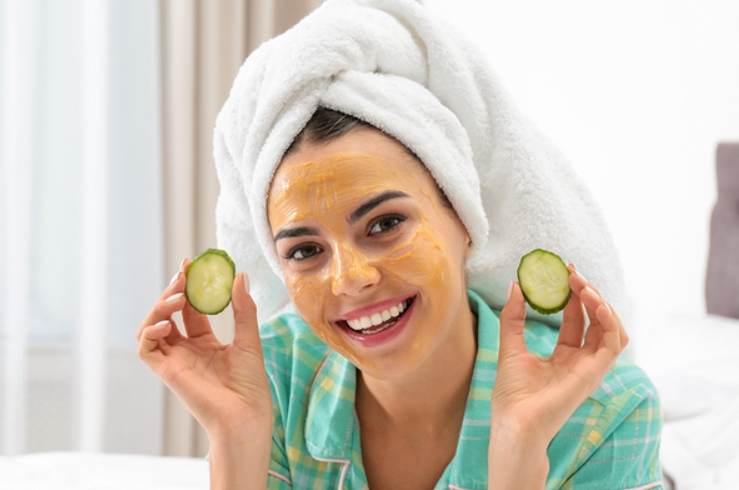
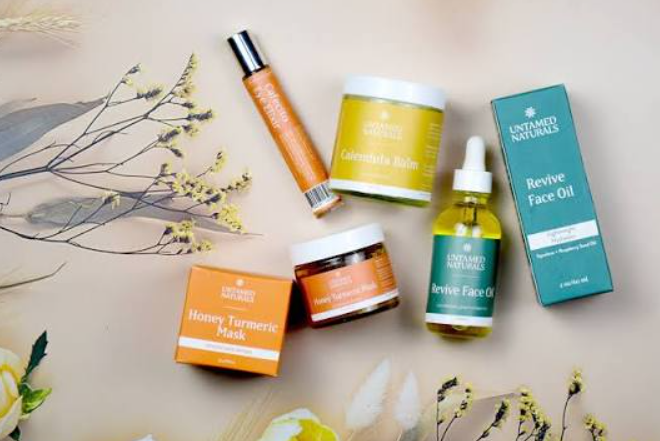
Finding the best organic beauty products for sensitive skin can be difficult because sensitive skin often reacts to ingredients that work perfectly well for other people. Redness, dryness, itching, tightness, burning, and irritation can make choosing skincare feel overwhelming.
Organic and naturally derived beauty products can be appealing if you prefer simpler, plant-based formulas. However, it is important to remember that natural or organic does not automatically mean irritation-free. Botanical extracts and essential oils can also bother sensitive skin.
The best approach is to choose gentle, simple products that suit your individual skin type and avoid unnecessary ingredients that you already know trigger irritation.
What Should You Look for in Organic Beauty Products?
When shopping for organic beauty products, pay attention to more than just the word “organic” on the packaging.
Look for products that are:
- Gentle and suitable for sensitive skin
- Fragrance-free when possible
- Free from ingredients you know irritate your skin
- Moisturizing and barrier-supportive
- Easy to incorporate into a simple routine
- Clearly labeled with a complete ingredient list
A fragrance-free product may be a better choice for reactive skin than a heavily scented botanical product, even when both are marketed as natural or organic.
Best Organic Beauty Products for Sensitive Skin
| Product Type | Ingredients to Consider | Main Benefit |
|---|---|---|
| Gentle cleanser | Oat, aloe, calendula | Cleans without excessive dryness |
| Moisturizer | Shea butter, oat, squalane | Supports hydration |
| Facial oil | Jojoba, rosehip, squalane | Helps soften dry skin |
| Soothing gel | Aloe vera | Lightweight hydration |
| Serum | Centella, low-strength niacinamide | Supports calm-looking skin |
| Lip balm | Shea butter, plant oils | Helps prevent dry lips |
| Mineral sunscreen | Zinc oxide | Daily UV protection |
| Gentle body lotion | Oat, shea butter | Moisturizes dry body skin |
1. Organic Gentle Cleanser
A gentle cleanser should be the foundation of an organic skincare routine for sensitive skin.
Look for formulas containing soothing or moisturizing ingredients such as oat, aloe vera, or calendula.
Avoid cleansers that leave your face feeling extremely tight or stripped after washing.
How to Use It
Use a small amount of cleanser with lukewarm water. Massage gently rather than scrubbing.
If your skin feels uncomfortable immediately after cleansing, the cleanser may be too harsh for your skin.
2. Organic Aloe Vera Gel
Aloe vera is a popular plant-derived skincare ingredient because of its lightweight and refreshing texture.
An aloe-based gel can be useful for people who prefer lightweight hydration.
When choosing an aloe product, look for a simple formula rather than one packed with fragrance, essential oils, or unnecessary additives.
Aloe can be particularly comfortable during warm weather when rich creams feel heavy.
3. Organic Oat-Based Moisturizer
Oat-based skincare can be a good option for dry or sensitive skin.
A moisturizer containing oat-derived ingredients can help provide a comfortable, soothing skincare experience.
Look for a moisturizer that also contains ingredients such as glycerin, shea butter, or other moisturizing ingredients.
A simple moisturizer is often more useful than having several different creams.
4. Organic Jojoba Oil
Jojoba oil is a popular plant-derived ingredient used in facial and body skincare.
It has a relatively lightweight feel and can help soften dry skin.
If you have sensitive skin, introduce facial oils carefully.
Apply a small amount and observe how your skin responds rather than immediately using a large amount.
Jojoba oil can also be useful for dry areas of the body.
5. Organic Rosehip Oil
Rosehip oil is commonly used in natural beauty products because it contains naturally occurring fatty acids and other plant compounds.
It may be appealing if your skin feels dry or lacks softness.
However, facial oils are optional. You do not need an oil if your moisturizer already provides enough hydration.
If you are prone to breakouts, introduce rosehip oil carefully and monitor your skin.
6. Organic Shea Butter
Shea butter is a rich plant-derived moisturizing ingredient.
It can be particularly useful for dry areas such as:
- Hands
- Elbows
- Knees
- Feet
- Dry body patches
- Very dry facial areas, depending on your skin type
Because it is rich, it may feel too heavy for some people with oily or acne-prone facial skin.
7. Organic Chamomile Skincare
Chamomile is commonly included in skincare products designed to provide a soothing experience.
You can find chamomile in:
- Cleansers
- Moisturizers
- Masks
- Body creams
- Facial products
However, botanical ingredients can still cause reactions in some people. If you know that your skin reacts to particular plants or botanicals, check the ingredient list carefully.
8. Organic Calendula Products
Calendula is another botanical ingredient commonly used in natural skincare.
It can be found in creams, balms, cleansers, and body products.
Calendula-based products may be particularly appealing for people looking for gentle botanical skincare.
As with any new ingredient, introduce it gradually.
9. Organic Centella-Based Skincare
Centella asiatica is a popular botanical ingredient in modern skincare.
It is often included in products designed for sensitive or stressed-looking skin.
You can find it in:
- Serums
- Moisturizers
- Creams
- Soothing gels
A centella-based product can be an optional addition to a simple routine, especially if you want a lightweight soothing product.
10. Organic Lip Balm
Sensitive skin does not only refer to the face.
The lips can also become dry and uncomfortable, particularly during cold, dry, or windy weather.
Choose a simple lip balm containing ingredients such as:
- Shea butter
- Jojoba oil
- Cocoa butter
- Plant-derived oils
If scented lip balms cause irritation, choose a fragrance-free option.
11. Organic Mineral Sunscreen
Sunscreen is an important part of any skincare routine, including an organic or natural beauty routine.
Mineral sunscreens commonly use zinc oxide or titanium dioxide as UV filters.
Choose a sunscreen that provides broad-spectrum protection and feels comfortable enough for regular use.
If you have sensitive skin, test the product carefully before making it part of your everyday routine.
Best Organic Skincare Routine for Sensitive Skin
You do not need a 10-step routine.
A simple routine can be much easier to maintain.
Morning Routine
Step 1: Gentle cleanser
Step 2: Optional soothing serum
Step 3: Moisturizer
Step 4: Sunscreen
Night Routine
Step 1: Remove makeup if necessary
Step 2: Gentle cleanser
Step 3: Optional soothing serum
Step 4: Moisturizer
Step 5: Facial oil if needed
You can skip optional steps if your basic routine already works well.
Organic Skincare Routine for Dry Sensitive Skin
If your sensitive skin is also dry, focus on moisture and barrier support.
Morning
Gentle cleanser → Moisturizer → Sunscreen
Night
Gentle cleanser → Rich moisturizer → Optional facial oil
Ingredients such as oat, shea butter, jojoba oil, and squalane may be useful additions depending on your skin’s preferences.
Avoid applying too many products simply because they are labeled organic.
Organic Skincare Routine for Oily Sensitive Skin
Oily sensitive skin needs a different approach.
Choose lightweight products such as:
- Gentle gel cleanser
- Lightweight moisturizer
- Aloe-based gel
- Lightweight sunscreen
Avoid aggressively scrubbing or stripping away oil.
Your skin can be oily and sensitive at the same time.
Organic Skincare Routine for Combination Skin
Combination skin can have both oily and dry areas.
Use lightweight hydration across the face and apply a little more moisturizer to dry areas when necessary.
Morning
Cleanser → Lightweight moisturizer → Sunscreen
Night
Cleanser → Soothing serum → Moisturizer
Adjust the amount of product depending on how each area of your face feels.
Organic Beauty Ingredients to Consider
Several plant-derived ingredients can be useful in a sensitive-skin routine.
| Ingredient | Why It May Be Useful |
|---|---|
| Aloe vera | Lightweight hydration |
| Oat | Soothing and moisturizing |
| Jojoba oil | Softens dry skin |
| Shea butter | Rich moisturization |
| Squalane | Helps soften and moisturize |
| Chamomile | Commonly used in soothing formulas |
| Calendula | Used in calming skincare |
| Centella asiatica | Popular in soothing products |
| Rosehip oil | Provides plant-derived fatty acids |
Remember that even natural ingredients can cause individual reactions.
Organic Ingredients to Approach Carefully
Sensitive skin does not automatically tolerate every natural ingredient.
Essential Oils
Essential oils can be highly concentrated.
Lavender, peppermint, citrus, tea tree, and other essential oils may be irritating for some people.
If your skin is reactive, fragrance-free products may be a safer starting point.
Strongly Scented Products
A product can be made from natural ingredients and still have a strong fragrance.
If fragrance bothers your skin, choose fragrance-free options.
DIY Lemon Treatments
Lemon juice is sometimes promoted as a natural remedy for dark spots.
Avoid using kitchen lemon juice directly on your face. It can be irritating and is not a substitute for properly formulated skincare.
Baking Soda
Baking soda is another popular DIY beauty ingredient, but it can be too harsh for facial skin.
Sensitive skin generally benefits from gentle products rather than aggressive homemade treatments.
Organic Does Not Always Mean Better for Sensitive Skin
This is one of the most important things to understand.
The words “organic,” “natural,” and “clean” describe different aspects of a product and do not automatically predict how your skin will react.
For sensitive skin, consider:
Organic certification + simple formula + fragrance-free option + personal tolerance
rather than choosing a product based only on its marketing.
How to Patch Test Organic Beauty Products
Always introduce new products carefully, even if they are labeled natural or organic.
A simple approach is:
- Choose one new product.
- Test a small amount on a limited area.
- Observe your skin.
- If there is no obvious irritation, gradually incorporate the product into your routine.
- Avoid introducing several new products at the same time.
If a product causes significant burning, swelling, itching, or persistent redness, stop using it.
Affordable Organic Beauty Routine
You do not need an expensive collection of organic products.
Prioritize your spending:
| Product | Priority |
|---|---|
| Gentle cleanser | High |
| Moisturizer | High |
| Sunscreen | High |
| Aloe or soothing serum | Optional |
| Facial oil | Optional |
| Face mask | Optional |
| Eye cream | Optional |
| Facial mist | Optional |
If your budget is limited, focus on cleanser, moisturizer, and sunscreen first.
Common Mistakes With Organic Skincare
Using Too Many Products
A large number of botanical products can increase the number of ingredients your skin is exposed to.
Assuming Natural Means Hypoallergenic
Natural ingredients can still trigger irritation or allergies.
Skipping Sunscreen
Organic skincare does not replace daily sun protection.
Using DIY Recipes
Kitchen ingredients are not necessarily formulated for facial skin.
Over-Exfoliating
Sensitive skin often benefits from a gentle approach. Avoid aggressive scrubs and excessive use of exfoliating acids.
Changing Your Routine Frequently
Give your skin time to adjust to a new product unless you experience irritation.
How to Choose the Best Organic Beauty Products
Before purchasing a product, ask yourself:
Is It Actually Certified Organic?
If organic certification matters to you, check for a recognized certification rather than relying only on packaging language.
Is It Fragrance-Free?
This can be particularly useful if you know fragrance irritates your skin.
Does It Have a Simple Formula?
Fewer unnecessary ingredients can make it easier to identify potential triggers.
Does It Match Your Skin Type?
A rich oil may suit dry skin but feel too heavy for oily skin.
Do You Actually Need It?
A product can be natural and still be unnecessary.
FAQs About the Best Organic Beauty Products for Sensitive Skin
1. What are the best organic beauty products for sensitive skin?
Gentle cleansers, fragrance-free moisturizers, soothing oat or aloe products, simple facial oils, and suitable mineral sunscreens can be good options. The best choice depends on your individual skin.
2. Is organic skincare better for sensitive skin?
Not necessarily. Organic products can contain botanical ingredients that some sensitive skin types may not tolerate. Choose products based on their complete formula and your personal sensitivities.
3. Is organic skincare fragrance-free?
Not always. Natural essential oils and botanical extracts can provide fragrance. If fragrance bothers your skin, specifically look for fragrance-free products.
4. Can sensitive skin use essential oils?
Essential oils can irritate some people with sensitive skin. Avoid applying concentrated essential oils directly to your face and consider fragrance-free products if your skin is reactive.
5. Is aloe vera good for sensitive skin?
Aloe-based products can provide lightweight hydration and may feel soothing for some people. Choose a simple formula and stop using it if irritation occurs.
6. What is the best organic moisturizer for sensitive skin?
Look for a simple moisturizer containing comfortable moisturizing ingredients such as oat, shea butter, squalane, or other barrier-supportive ingredients. Choose the texture according to your skin type.
7. Can organic products cause acne?
Yes. Natural or organic products can still be too rich or unsuitable for certain skin types. If you are acne-prone, choose lightweight products and introduce facial oils carefully.
8. Should sensitive skin use organic face oils?
Face oils are optional. Jojoba or rosehip oil may suit some people, particularly those with dry skin, but oily or acne-prone skin may prefer a lightweight moisturizer.
9. How often should I use organic face masks?
Face masks are optional. If you use one, choose a gentle formula and follow its instructions rather than assuming that more frequent use is better.
10. What should I do if an organic product irritates my skin?
Stop using the product if it causes significant irritation. Simplify your routine and allow your skin to settle. For severe or persistent reactions, seek advice from a qualified healthcare professional.
Final Thoughts
The best organic beauty products for sensitive skin are not necessarily the products with the most natural ingredients. Sensitive skin usually benefits from a simple, consistent routine built around products that your skin tolerates well.
Look for gentle cleansers, comfortable moisturizers, soothing ingredients such as oat or aloe, and reliable daily sun protection. If fragrance or essential oils are known triggers for you, choose fragrance-free formulas even when shopping for organic skincare.
Most importantly, introduce new products slowly and remember that “organic” is not a guarantee that a product will suit your skin. Your own skin’s response should always be the most important consideration when building a beauty routine.
:::{“fallbackMarkdown”:””,”reference”:{“matched_text”:” “,”prefix”:null,”start_idx”:16282,”end_idx”:16282,”safe_urls”:[],”refs”:[],”alt”:””,”prompt_text”:null,”type”:”sources_footnote”,”sources”:[{“title”:”Best Organic Face Moisturizer: Certified Picks”,”url”:”https://organicconnection.net/best-organic-face-moisturizer/?utm_source=chatgpt.com”,”attribution”:”Organic Connection”}],”has_images”:false},”showLoginRequiredCard”:false}