The Ultimate Guide to Invisible Sun Protection for Every Skin Tone
Finding the best sunscreen for face that doesn’t leave white cast can be frustrating, especially for people with medium, olive, tan, or deeper skin tones. While sunscreen is essential for protecting your skin from harmful UV rays, many formulas leave behind a chalky residue that affects the skin’s natural appearance.
Fortunately, modern sunscreen technology has made it easier than ever to find lightweight, transparent formulas that blend seamlessly into the skin. Whether you have oily, dry, combination, or sensitive skin, there are excellent options available that provide strong sun protection without the unwanted white cast.
In this guide, you’ll learn why some sunscreens leave a white cast, what ingredients to look for, and how to choose the best sunscreen for your skin type.
Why Do Some Sunscreens Leave a White Cast?
A white cast usually occurs when sunscreen contains mineral UV filters such as zinc oxide or titanium dioxide. These ingredients sit on the skin’s surface and reflect ultraviolet rays.
While mineral sunscreens are highly effective, traditional formulas can sometimes appear white or gray, especially on darker skin tones.
Common Causes of White Cast
- High concentrations of zinc oxide
- Thick sunscreen formulations
- Poorly blended products
- Applying too much product at once
- Older mineral sunscreen technology
Today’s advanced formulations often use micronized or tinted ingredients to reduce this effect.
What Makes a Sunscreen Invisible?
The best no-white-cast sunscreens typically feature lightweight textures and advanced UV filters that absorb quickly into the skin.
Features to Look For
- Lightweight texture
- Fast absorption
- Transparent finish
- Non-greasy formula
- Broad-spectrum SPF protection
- Suitable for your skin type
A sunscreen that blends easily into the skin is more likely to be used consistently, which is crucial for maintaining healthy skin.
Best Types of Sunscreens That Don’t Leave White Cast
Chemical Sunscreens
Chemical sunscreens absorb UV rays and convert them into heat before releasing them from the skin.
Advantages
- No visible residue
- Lightweight feel
- Easy application
- Suitable under makeup
These are often preferred by people seeking a completely invisible finish.
Modern Mineral Sunscreens
New-generation mineral sunscreens have improved significantly.
Advantages
- Gentle on sensitive skin
- Less irritation
- Improved transparency
- Better cosmetic elegance
Many brands now offer tinted mineral options that blend naturally into various skin tones.
How to Choose the Best Sunscreen for Your Skin Type
For Oily Skin
Look for:
- Oil-free formulas
- Gel-based sunscreens
- Matte finish products
- Non-comedogenic labels
These formulas help control shine while protecting the skin.
For Dry Skin
Choose sunscreens containing:
- Hyaluronic acid
- Glycerin
- Ceramides
- Moisturizing ingredients
Hydrating sunscreens can double as daytime moisturizers.
For Sensitive Skin
Sensitive skin may benefit from:
- Fragrance-free formulas
- Mineral sunscreen options
- Dermatologist-tested products
- Gentle ingredients
Patch testing is always recommended before full-face application.
For Combination Skin
Combination skin typically performs best with lightweight lotion or fluid sunscreens that balance hydration without feeling greasy.
Key Ingredients to Look For
| Ingredient | Benefit |
|---|---|
| Hyaluronic Acid | Provides hydration |
| Niacinamide | Helps improve skin barrier |
| Ceramides | Locks in moisture |
| Zinc Oxide (Modern Formulas) | Broad-spectrum protection |
| Vitamin E | Antioxidant support |
| Glycerin | Prevents dryness |
| Green Tea Extract | Soothes skin |
These ingredients can improve both sun protection and overall skin health.
Benefits of Using Sunscreen Every Day
Daily sunscreen use offers far more than sunburn prevention.
Reduces Premature Aging
UV exposure is one of the leading causes of wrinkles, fine lines, and loss of skin elasticity.
Prevents Hyperpigmentation
Consistent sunscreen use helps reduce dark spots and uneven skin tone.
Supports Skin Health
Sun protection helps maintain the skin barrier and minimizes environmental damage.
Lowers Skin Cancer Risk
Broad-spectrum sunscreen helps protect against harmful UVA and UVB rays linked to skin cancer.
How to Apply Sunscreen Properly
Even the best sunscreen won’t work effectively if applied incorrectly.
Step 1: Apply as the Last Skincare Step
Sunscreen should generally be the final step of your morning skincare routine before makeup.
Step 2: Use Enough Product
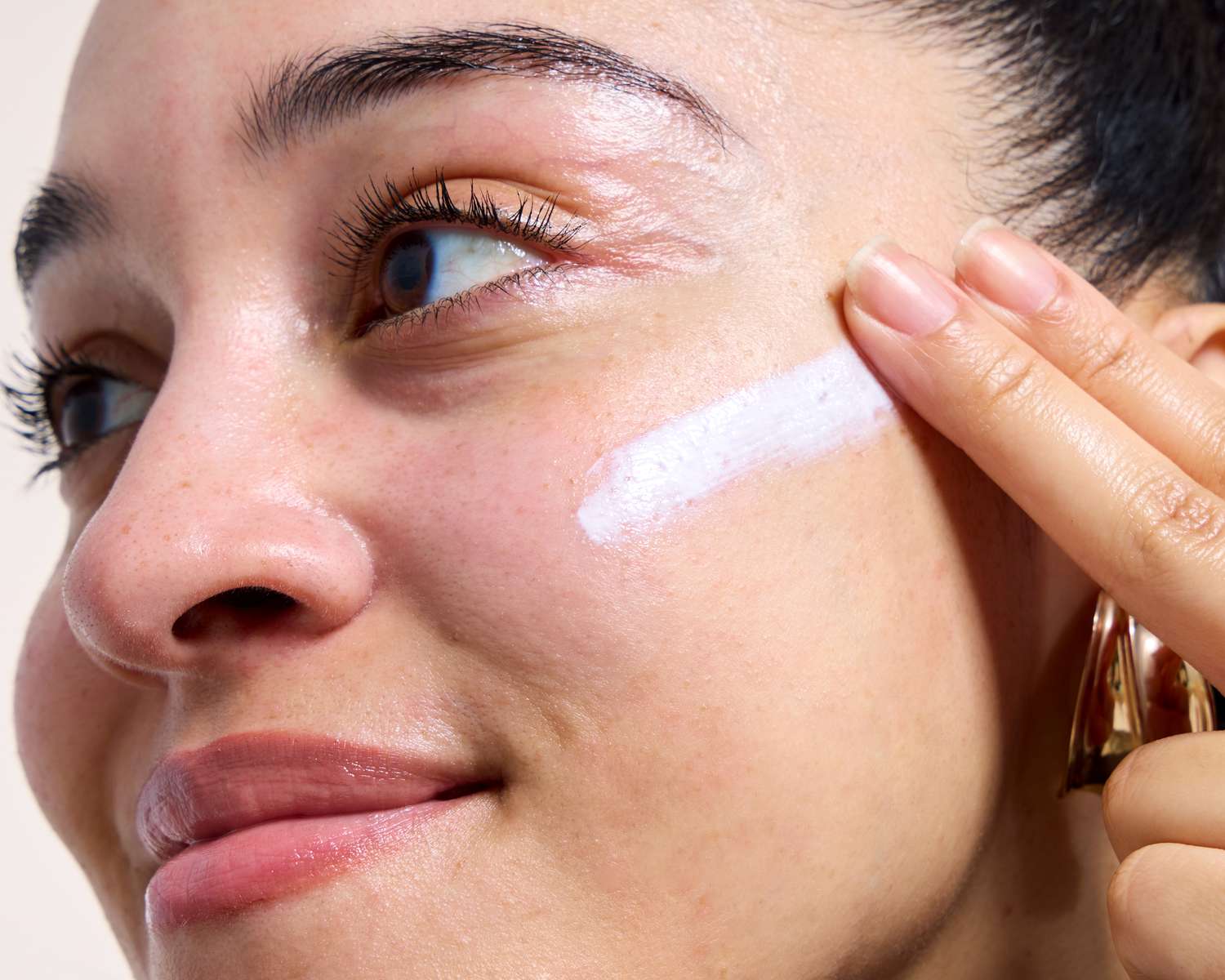
Most adults need approximately two finger lengths of sunscreen for the face and neck.
Step 3: Blend Evenly
Spread the product evenly across the forehead, cheeks, nose, chin, neck, and ears.
Step 4: Reapply
Reapply every two hours when outdoors or after sweating and swimming.
Common Sunscreen Mistakes
Not Using Enough
Many people apply only half the recommended amount, reducing protection significantly.
Skipping Cloudy Days
UV rays can penetrate clouds, making sunscreen necessary year-round.
Forgetting the Neck and Ears
These areas are commonly exposed but often overlooked.
Applying Sunscreen Only Once
Reapplication is essential for maintaining effective protection.
How to Prevent White Cast Completely
If white cast is a major concern, consider these tips:
- Choose lightweight fluid sunscreens.
- Opt for transparent gel formulations.
- Use tinted mineral sunscreens.
- Apply sunscreen in thin layers.
- Allow each layer to absorb fully.
- Select formulas designed for diverse skin tones.
These simple adjustments can dramatically improve your sunscreen experience.
Signs You’ve Found the Right Sunscreen
A quality sunscreen should:
- Feel comfortable throughout the day
- Blend easily into the skin
- Leave little to no residue
- Work well under makeup
- Not clog pores
- Provide broad-spectrum SPF protection
The best sunscreen is ultimately the one you’ll use consistently every day.
Frequently Asked Questions
What Type of Sunscreen Leaves the Least White Cast?
Chemical sunscreens generally leave the least visible residue because they absorb into the skin rather than sitting on the surface.
Are Mineral Sunscreens Always White?
No. Many modern mineral sunscreens are tinted or formulated with advanced technology that significantly reduces white cast.
Is SPF 30 Enough for Daily Use?
Yes. SPF 30 blocks approximately 97% of UVB rays and is suitable for everyday use when applied correctly.
Can Dark Skin Tones Use Mineral Sunscreens?
Absolutely. Many tinted mineral sunscreens are specifically designed to blend well with deeper skin tones.
Should Sunscreen Be Applied Before or After Moisturizer?
Sunscreen should generally be applied after moisturizer and before makeup.
Can Sunscreen Replace Moisturizer?
Some hydrating sunscreens may provide enough moisture for certain skin types, but very dry skin may still benefit from a dedicated moisturizer underneath.
Conclusion
Choosing the best sunscreen for face that doesn’t leave white cast can make daily sun protection much more enjoyable. Modern formulations now offer lightweight, invisible finishes that work beautifully across all skin tones while delivering effective UV protection.
Whether you prefer chemical or mineral formulas, the key is finding a sunscreen that feels comfortable, blends effortlessly, and fits your skin’s unique needs. By using sunscreen consistently every day, you can help prevent premature aging, reduce hyperpigmentation, and maintain healthier skin for years to come.