Introduction
Natural beauty treatments have been used for centuries to care for skin and hair using simple ingredients found in many kitchens. While they aren’t a replacement for medically proven treatments or professionally formulated skincare products, certain natural ingredients can provide gentle cleansing, hydration, and soothing benefits when used appropriately.
If you’re looking for affordable, easy-to-make beauty treatments, DIY recipes can be a fun addition to your self-care routine. Ingredients like honey, oatmeal, yogurt, aloe vera, cucumber, and coconut oil are popular choices because they offer moisturizing and calming properties for many people.
In this guide, you’ll discover some of the best DIY beauty treatments using natural ingredients, along with safety tips and practical advice for achieving healthy-looking skin and hair.
Benefits of DIY Beauty Treatments
Homemade beauty treatments offer several advantages:
- Budget-friendly
- Easy to prepare
- Made with simple ingredients
- Free from unnecessary additives in many cases
- Can be customized to suit your needs
- Encourage a natural approach to self-care
Remember that “natural” does not always mean risk-free. Always patch-test any DIY treatment before applying it more broadly.
Best Natural Ingredients for DIY Beauty
| Ingredient | Main Benefits | Best For |
|---|---|---|
| Honey | Moisturizes and softens | Dry skin and lips |
| Aloe Vera | Hydrates and soothes | Sensitive or irritated skin |
| Oatmeal | Calms and gently exfoliates | Sensitive skin |
| Plain Yogurt | Mild exfoliation and hydration | Dull skin |
| Cucumber | Refreshes and cools | Puffy or tired-looking skin |
| Coconut Oil | Moisturizes dry areas | Body and hair (may not suit facial skin for everyone) |
| Avocado | Nourishes with healthy fats | Dry skin and hair |
| Olive Oil | Softens skin | Hands, feet, and body |
1. Honey Face Mask
Honey is a natural humectant, meaning it helps attract and retain moisture.
Ingredients
- 1 tablespoon raw or regular honey
Directions
- Wash your face with a gentle cleanser.
- Apply a thin layer of honey.
- Leave it on for 10–15 minutes.
- Rinse with lukewarm water.
Benefits
- Hydrates the skin
- Leaves skin feeling soft
- Supports a healthy skin barrier
Use one or two times a week.
2. Oatmeal Face Mask
Oatmeal is known for its soothing properties and is often used to comfort dry or sensitive skin.
Ingredients
- 2 tablespoons finely ground oatmeal
- Water or plain yogurt to create a paste
Directions
- Mix the ingredients.
- Apply evenly to clean skin.
- Leave on for 10–15 minutes.
- Rinse gently with lukewarm water.
Benefits
- Helps calm the skin
- Provides gentle exfoliation
- Leaves skin feeling smoother
3. Aloe Vera Hydrating Treatment
Aloe vera is widely used to hydrate and soothe the skin.
Ingredients
- Pure aloe vera gel
Directions
- Apply a thin layer to clean skin.
- Leave it on for 15–20 minutes or according to product instructions.
- Rinse if desired.
Benefits
- Refreshes the skin
- Provides lightweight hydration
- Helps maintain a healthy-looking complexion
4. Yogurt Brightening Mask
Plain yogurt contains lactic acid, which gently exfoliates the skin.
Ingredients
- 2 tablespoons plain, unsweetened yogurt
Directions
- Spread evenly over clean skin.
- Leave on for 10–15 minutes.
- Rinse thoroughly.
Benefits
- Improves skin texture
- Gently removes dead skin cells
- Leaves skin feeling soft
Use once or twice weekly.
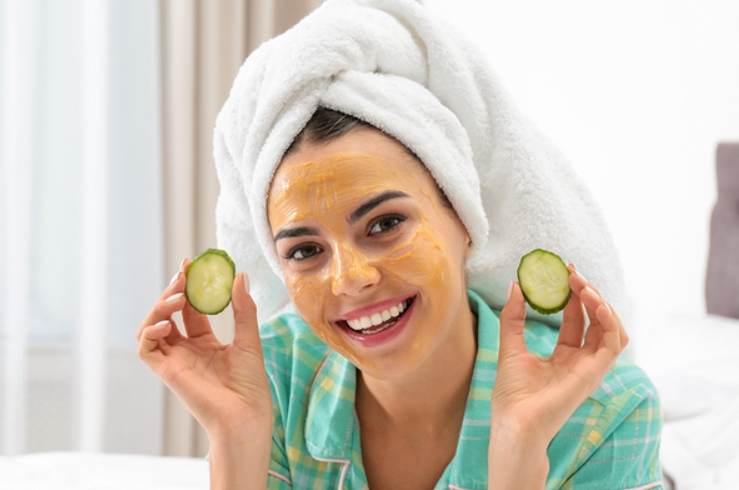
5. Cucumber Cooling Mask
Cucumber is naturally refreshing because of its high water content.
Ingredients
- Fresh cucumber
Directions
- Blend cucumber into a smooth paste or use chilled slices.
- Apply to the face for 10–15 minutes.
- Rinse with cool water.
Benefits
- Refreshes tired-looking skin
- Provides a cooling sensation
- Supports hydration
6. Avocado Hair Mask
Avocado is rich in healthy fats that can help condition dry hair.
Ingredients
- 1 ripe avocado
- 1 tablespoon olive oil (optional)
Directions
- Mash the avocado until smooth.
- Apply to damp hair, focusing on the mid-lengths and ends.
- Leave on for 20–30 minutes.
- Shampoo and rinse thoroughly.
Benefits
- Softens dry hair
- Improves manageability
- Adds moisture
7. Coconut Oil Body Moisturizer
Coconut oil can help soften dry areas of the body, though it may not be suitable for everyone’s facial skin.
Directions
- Apply a small amount to slightly damp skin after showering.
- Massage until absorbed.
Benefits
- Helps lock in moisture
- Leaves skin feeling smooth
- Works well on elbows, knees, and heels
8. Olive Oil Hand and Foot Treatment
Dry hands and cracked heels benefit from extra moisture.
Directions
- Massage a small amount of olive oil into your hands or feet.
- Wear cotton gloves or socks overnight if desired.
- Wash off any excess in the morning.
Benefits
- Softens rough skin
- Improves hydration
- Supports smoother-looking hands and feet
DIY Lip Scrub
A gentle lip scrub can help remove flaky skin.
Ingredients
- 1 teaspoon sugar
- 1 teaspoon honey
Directions
- Mix into a paste.
- Gently massage onto your lips for about 30 seconds.
- Rinse and apply a nourishing lip balm.
Use no more than once or twice a week to avoid irritation.
DIY Hair Rinse with Green Tea
Green tea contains antioxidants and can be used as a refreshing hair rinse.
Directions
- Brew green tea and let it cool completely.
- Pour it over clean hair after shampooing.
- Leave it on for a few minutes before rinsing or follow your preferred routine.
This can leave hair feeling refreshed and clean.
Safety Tips for DIY Beauty Treatments
Using natural ingredients responsibly is important.
- Always patch-test new ingredients before use.
- Use fresh, clean ingredients.
- Avoid applying lemon juice directly to the skin, as it may increase sun sensitivity and cause irritation.
- Do not use baking soda as a facial scrub because it can disrupt the skin’s natural barrier.
- Stop using any treatment that causes burning, redness, or discomfort.
- Store homemade mixtures properly and discard leftovers if they spoil.
Common DIY Beauty Mistakes
Avoid these common errors:
- Using harsh exfoliants too often
- Leaving masks on much longer than recommended
- Applying ingredients to broken or irritated skin
- Assuming natural products cannot cause allergies
- Skipping sunscreen after exfoliating treatments
Gentle and consistent care is more effective than aggressive treatments.
Weekly DIY Beauty Routine
| Day | Treatment |
|---|---|
| Monday | Honey face mask |
| Tuesday | Aloe vera hydration |
| Wednesday | Cucumber cooling treatment |
| Thursday | Oatmeal face mask |
| Friday | Yogurt mask |
| Saturday | Avocado hair mask |
| Sunday | Olive oil hand and foot treatment |
This simple schedule provides variety while giving your skin and hair time to rest between treatments.
Frequently Asked Questions (FAQs)
1. Are DIY beauty treatments safe?
Many DIY beauty treatments can be safe when prepared with clean ingredients and used correctly. However, natural ingredients can still cause irritation or allergic reactions, so patch-testing is recommended.
2. Which natural ingredient is best for dry skin?
Honey, aloe vera, oatmeal, avocado, and coconut oil are popular choices for helping dry skin feel more hydrated and comfortable.
3. Can I use DIY face masks every day?
Most DIY face masks are best used one or two times a week. Gentle ingredients like aloe vera may be suitable for more frequent use, depending on your skin’s tolerance.
4. Is coconut oil good for facial skin?
Coconut oil works well as a moisturizer for some people, but it may clog pores in others, especially those with oily or acne-prone skin.
5. Can DIY treatments replace skincare products?
DIY treatments can complement your skincare routine, but they are not always a substitute for well-formulated skincare products, especially if you have specific skin concerns.
6. How long should homemade beauty masks stay on?
Most DIY face masks should remain on the skin for about 10–15 minutes unless the recipe suggests otherwise.
7. Should I patch-test natural ingredients?
Yes. Even natural ingredients can trigger irritation or allergies. Test a small amount on your inner arm or behind your ear before applying it to your face or scalp.
Conclusion
DIY beauty treatments using natural ingredients offer an affordable and enjoyable way to care for your skin and hair. Ingredients like honey, aloe vera, oatmeal, yogurt, cucumber, avocado, and olive oil can provide gentle hydration, soothing effects, and improved softness when used appropriately.
The best results come from combining these simple treatments with a consistent skincare routine, a balanced diet, adequate hydration, and daily sun protection. Always patch-test new ingredients, avoid harsh DIY trends, and remember that healthy, glowing skin is built through regular care rather than quick fixes.