Pregnancy is a beautiful journey, but it also brings significant hormonal changes that can affect the skin in many ways. Some women experience the famous “pregnancy glow,” while others may struggle with dryness, acne, pigmentation, sensitivity, or uneven skin tone. During this time, choosing pregnancy-safe skincare products becomes extremely important because certain ingredients can potentially harm both mother and baby.
Using gentle, nourishing, and dermatologist-approved skincare products can help maintain healthy, glowing skin throughout pregnancy. Understanding which ingredients are safe and which should be avoided allows expecting mothers to build a skincare routine that supports both beauty and wellness.
Why Skincare Changes During Pregnancy
Hormonal fluctuations during pregnancy increase blood circulation and oil production, which can affect the skin differently for every woman.
Common Pregnancy Skin Concerns
- Acne breakouts
- Dry or flaky skin
- Hyperpigmentation
- Melasma
- Increased sensitivity
- Stretch marks
- Redness and irritation
Because the skin becomes more sensitive during pregnancy, products that once worked well may suddenly cause irritation or discomfort.
Importance of Using Pregnancy-Safe Skincare
Not all skincare ingredients are considered safe during pregnancy. Some chemicals can be absorbed into the bloodstream and may pose risks during fetal development.
Choosing pregnancy-safe products helps minimize exposure to potentially harmful ingredients while keeping the skin healthy and radiant.
Ingredients to Avoid During Pregnancy
Before selecting skincare products, it is essential to know which ingredients should generally be avoided.
| Ingredient | Why It Should Be Avoided |
|---|---|
| Retinoids | May increase risk of birth defects |
| Hydroquinone | High absorption rate into bloodstream |
| Salicylic Acid (high doses) | Potential pregnancy concerns in strong concentrations |
| Formaldehyde | Possible toxic effects |
| Chemical Sunscreens (some types) | May irritate sensitive skin |
| Phthalates | Potential hormone disruption |
Always read product labels carefully and consult a healthcare professional if uncertain about a product’s safety.
Best Pregnancy-Safe Skincare Ingredients
Many gentle and natural ingredients can safely support glowing skin during pregnancy.
Hyaluronic Acid
Hyaluronic acid helps hydrate and plump the skin without causing irritation. It is one of the safest and most effective moisturizing ingredients for pregnant women.
Vitamin C
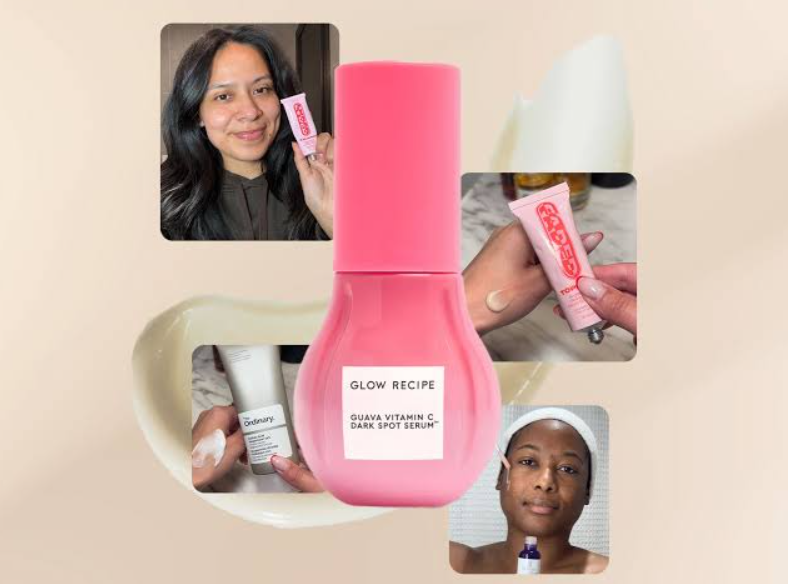
Vitamin C brightens the skin, improves uneven tone, and supports collagen production. It can also help reduce pregnancy-related pigmentation.
Niacinamide
Niacinamide is excellent for calming redness, strengthening the skin barrier, and controlling excess oil production.
Aloe Vera
Aloe vera soothes irritation and provides natural hydration for sensitive skin.
Shea Butter
Shea butter deeply moisturizes the skin and may help reduce dryness and stretch marks during pregnancy.
Essential Pregnancy-Safe Skincare Products
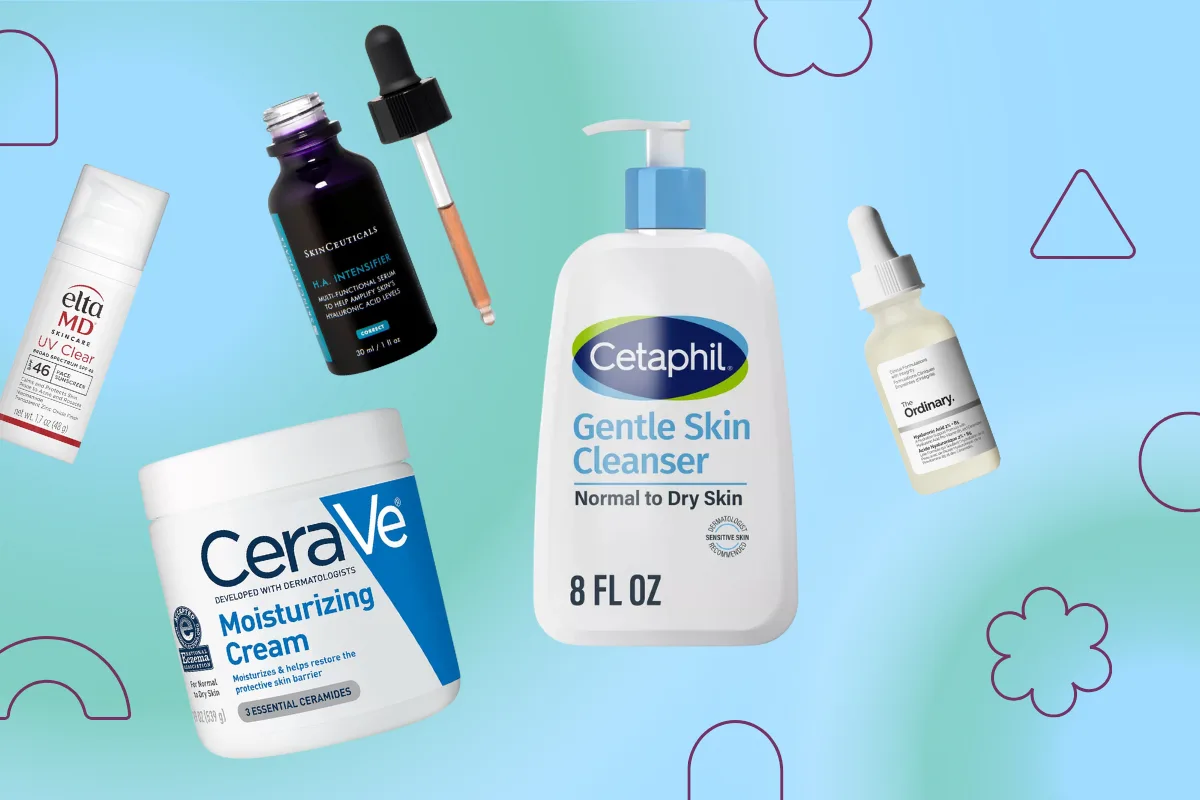
Gentle Cleanser
A mild cleanser removes dirt and oil without stripping the skin’s natural moisture barrier.
Look for:
- Fragrance-free formulas
- Sulfate-free ingredients
- Hydrating cleansers
Avoid harsh exfoliating cleansers that may irritate sensitive skin during pregnancy.
Hydrating Moisturizer
Pregnancy hormones can cause dry or dehydrated skin. A rich moisturizer helps maintain softness and elasticity.
Key ingredients to look for:
- Ceramides
- Hyaluronic acid
- Glycerin
- Shea butter
Mineral Sunscreen
Sun protection is essential during pregnancy because hormonal changes can increase pigmentation and melasma.
Why Mineral Sunscreens Are Better
Mineral sunscreens containing:
- Zinc oxide
- Titanium dioxide
are generally considered safer than many chemical sunscreen filters during pregnancy.
Pregnancy-Safe Serums for Glowing Skin
Serums can target specific skin concerns while boosting overall radiance.
Vitamin C Serums
Vitamin C serums help:
- Brighten dull skin
- Reduce dark spots
- Improve skin texture
- Enhance natural glow
Hydrating Serums
Hydrating serums containing hyaluronic acid help maintain moisture and improve skin smoothness.
Natural Skincare During Pregnancy
Many pregnant women prefer natural skincare products because they contain fewer harsh chemicals.
Popular natural ingredients include:
- Coconut oil
- Rosehip oil
- Almond oil
- Oat extract
- Chamomile
However, “natural” does not always mean completely safe. Some essential oils and herbal extracts may not be recommended during pregnancy.
How to Build a Pregnancy-Safe Skincare Routine
A simple and consistent skincare routine often works best during pregnancy.
Morning Routine
- Gentle cleanser
- Vitamin C serum
- Moisturizer
- Mineral sunscreen
Night Routine
- Gentle cleanser
- Hydrating serum
- Nourishing moisturizer
Avoid overloading the skin with too many active ingredients.
Managing Pregnancy Acne Safely
Hormonal acne is common during pregnancy, especially during the first trimester.
Safe Acne-Fighting Ingredients
Pregnancy-safe acne treatments may include:
- Azelaic acid
- Niacinamide
- Sulfur-based products
- Low-strength glycolic acid
Avoid prescription retinoids and high-dose salicylic acid products unless specifically approved by a doctor.
Stretch Mark Prevention and Skin Elasticity
While stretch marks are influenced largely by genetics, moisturizing the skin regularly may help improve elasticity and reduce dryness.
Popular Stretch Mark Products
Products containing:
- Cocoa butter
- Shea butter
- Vitamin E
- Hyaluronic acid
can support smoother and more hydrated skin during pregnancy.
Diet and Hydration Matter Too
Healthy glowing skin during pregnancy is not only about skincare products.
Tips for Naturally Radiant Skin
- Drink plenty of water
- Eat fruits and vegetables
- Get enough sleep
- Reduce processed foods
- Include healthy fats in your diet
Nutrition plays a major role in maintaining healthy skin throughout pregnancy.
Choosing Safe Beauty Brands
When shopping for pregnancy-safe skincare products, look for brands that focus on:
- Dermatologist-tested formulas
- Fragrance-free products
- Non-toxic ingredients
- Hypoallergenic formulations
Researching product ingredients carefully can help expecting mothers make safer skincare choices.
Natural Remedies for Glowing Skin
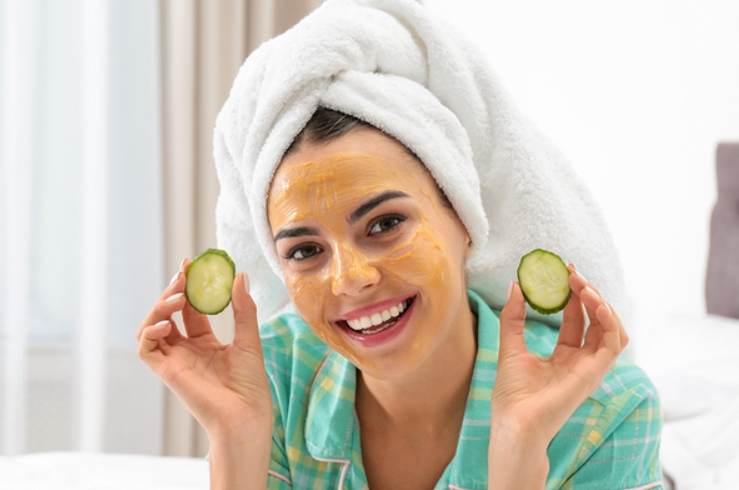
Many women also explore home remedies during pregnancy. Ingredients commonly associated with the Best Natural Ingredients for Skin Whitening Remedies include turmeric, yogurt, aloe vera, honey, and cucumber, which may help brighten and soothe the skin naturally when used carefully.
However, patch testing is important because pregnancy can increase skin sensitivity.
Common Pregnancy Skincare Mistakes
Over-Exfoliating
Too much exfoliation can weaken the skin barrier and increase irritation.
Ignoring Sunscreen
Sun exposure may worsen melasma and dark spots during pregnancy.
Using Strong Anti-Aging Products
Some anti-aging ingredients may not be considered safe during pregnancy.
Trying Too Many Products at Once
Introducing multiple new products simultaneously can trigger irritation or allergic reactions.
Frequently Asked Questions
Is vitamin C safe during pregnancy?
Yes, vitamin C is generally considered safe and beneficial for brightening and protecting the skin during pregnancy.
Can pregnant women use retinol products?
Most doctors recommend avoiding retinol and retinoid-based skincare products during pregnancy.
What sunscreen is safest during pregnancy?
Mineral sunscreens containing zinc oxide or titanium dioxide are commonly recommended during pregnancy.
Can pregnancy cause sensitive skin?
Yes, hormonal changes during pregnancy often make the skin more sensitive and reactive.
Are natural skincare products always safe during pregnancy?
Not always. Some natural ingredients and essential oils may still cause irritation or may not be recommended during pregnancy.
Final Thoughts
Pregnancy-safe skincare is about protecting both mother and baby while maintaining healthy, glowing skin. With the right products and gentle ingredients, expecting mothers can safely manage common skin concerns such as dryness, acne, and pigmentation throughout pregnancy.