Skin elasticity plays an important role in maintaining a firm, smooth, and youthful-looking complexion. As we age, the skin naturally produces less collagen and elastin, which can lead to changes such as fine lines, reduced firmness, and a loss of bounce.
While aging is a natural process, certain skincare ingredients can help support the skin’s structure and improve the appearance of elasticity. Science-backed ingredients work by improving hydration, supporting collagen production, strengthening the skin barrier, and protecting against environmental stress.
This guide explores effective skincare ingredients that may help improve skin elasticity naturally and how to include them in your routine.
What Causes Loss of Skin Elasticity?
Skin elasticity depends on proteins such as collagen and elastin, which help skin maintain its firmness and flexibility.
Several factors can affect elasticity, including:
- Natural aging
- Sun exposure
- Environmental stress
- Dehydration
- Poor skincare habits
- Lifestyle factors
As collagen levels decrease over time, skin may appear less firm and more prone to visible lines.
1. Retinol
Retinol is one of the most researched skincare ingredients for improving the appearance of aging skin.
It is a form of vitamin A that supports skin renewal and helps improve the appearance of:
- Fine lines
- Uneven texture
- Loss of firmness
- Dullness
Retinol works by encouraging healthier-looking skin processes and supporting a smoother appearance over time.
How to Use Retinol
- Start with a low concentration
- Apply at night
- Use sunscreen during the day
- Introduce gradually to avoid irritation
Consistency is important because results usually develop over time.
2. Peptides
Peptides are short chains of amino acids that are commonly used in firming skincare products.
They help support the skin’s natural structure and are often included in formulas designed to improve:
- Skin firmness
- Smoothness
- Hydration
- Overall texture
Peptides are generally considered gentle and suitable for many skin types.
3. Hyaluronic Acid
Hydration plays a major role in how elastic and plump skin appears.
Hyaluronic Acid is a powerful hydrating ingredient that helps attract and retain moisture.
Benefits include:
- Improved skin hydration
- Smoother appearance
- Reduced appearance of dryness
- More refreshed-looking skin
Well-hydrated skin often appears healthier and more flexible.
4. Vitamin C
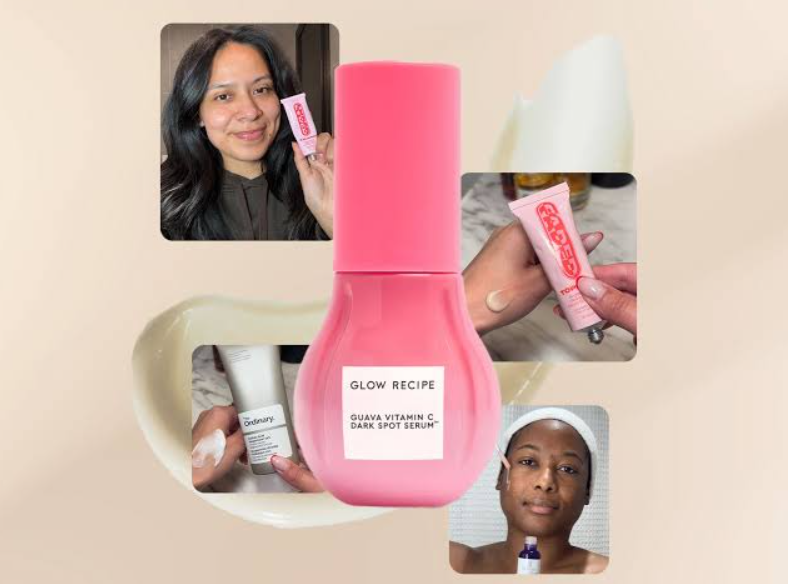
Vitamin C is a popular antioxidant ingredient used in many skincare routines focused on brightness and aging concerns.
It helps protect skin from environmental stress and supports a more even-looking complexion.
Potential benefits include:
- Brighter-looking skin
- Improved texture
- Support for collagen-related skin processes
- Reduced appearance of dullness
Using Vitamin C during the day with sunscreen can provide additional protection benefits.
5. Niacinamide
Niacinamide, also known as vitamin B3, is a versatile skincare ingredient.
It supports the skin barrier and may help improve the appearance of:
- Uneven tone
- Enlarged pores
- Texture concerns
- Dryness
A stronger skin barrier helps maintain moisture, which can contribute to a smoother and healthier-looking appearance.
6. Ceramides
Ceramides are naturally occurring lipids found in the skin barrier.
They help maintain moisture and protect against dehydration.
Benefits include:
- Improved barrier function
- Better moisture retention
- Softer skin appearance
- Reduced dryness
Ceramides are especially helpful for skin that feels dry or sensitive.
7. Antioxidants
Environmental stress can affect the appearance of skin over time.
Antioxidant ingredients help defend against factors that contribute to visible skin changes.
Common antioxidants include:
- Green Tea Extract
- Vitamin E
- Ferulic Acid
- Coenzyme Q10
These ingredients support healthier-looking skin by helping reduce the effects of environmental stress.
8. Alpha Hydroxy Acids (AHAs)
AHAs are exfoliating ingredients that help remove dead skin cells from the surface.
Common AHAs include:
- Glycolic Acid
- Lactic Acid
- Mandelic Acid
They can improve the appearance of:
- Skin texture
- Brightness
- Smoothness
Using AHAs correctly can help skin appear more refreshed and refined.
Best Ingredients for Skin Elasticity
| Ingredient | Main Benefit | Best For |
|---|---|---|
| Retinol | Supports smoother, firmer-looking skin | Fine lines and texture |
| Peptides | Helps support skin structure | Loss of firmness |
| Hyaluronic Acid | Boosts hydration | Dry or dehydrated skin |
| Vitamin C | Antioxidant protection | Dullness and uneven tone |
| Niacinamide | Strengthens barrier | Sensitive and uneven skin |
| Ceramides | Locks in moisture | Dry skin |
| AHAs | Improves texture | Rough skin |
| Antioxidants | Protects against stress | Prevention-focused routines |
How to Build an Elasticity-Focused Skincare Routine
A simple routine can include:
Morning
- Gentle cleanser
- Vitamin C serum
- Hydrating moisturizer
- Sunscreen
Evening
- Cleanser
- Retinol or peptide treatment
- Moisturizer with ceramides or hydration ingredients
Avoid introducing multiple strong ingredients at once.
Lifestyle Habits That Support Skin Elasticity
Skincare works best alongside healthy habits.
Helpful practices include:
- Using sunscreen daily
- Drinking enough water
- Eating a balanced diet
- Getting quality sleep
- Avoiding smoking
- Managing stress
These habits support overall skin health.
Common Mistakes When Using Firming Skincare Ingredients
Avoid:
- Using too many active ingredients together
- Skipping sunscreen
- Over-exfoliating
- Expecting immediate results
- Ignoring hydration
A consistent routine is usually more effective than an aggressive one.
Benefits of Using Elasticity-Supporting Ingredients
A well-designed routine may help improve:
- Skin smoothness
- Hydration levels
- Firm-looking appearance
- Overall texture
- Natural radiance
The goal is to support healthy-looking skin rather than change its natural aging process.
Conclusion
Science-backed skincare ingredients can help improve the appearance of skin elasticity by supporting hydration, protecting against environmental stress, and encouraging healthier-looking skin function. Ingredients such as retinol, peptides, hyaluronic acid, Vitamin C, niacinamide, and ceramides can be valuable additions to a consistent skincare routine. Choosing the right ingredients based on your skin needs and using them regularly can help maintain a smoother, firmer, and more radiant complexion.
Frequently Asked Questions (FAQs)
1. What is the best ingredient for improving skin elasticity?
Retinol and peptides are among the most commonly used ingredients for supporting firmer-looking and smoother skin.
2. Can skincare products restore lost elasticity completely?
Skincare products cannot completely reverse natural aging, but they can help improve the appearance of firmness, hydration, and texture.
3. Is hyaluronic acid good for aging skin?
Yes. Hyaluronic acid helps maintain hydration, which can make skin appear smoother and more plump.
4. Can I use retinol and Vitamin C together?
Some people use both, but many prefer Vitamin C in the morning and retinol at night to reduce irritation.
5. How long does it take to see results from elasticity-focused skincare?
Results vary, but many skincare ingredients require consistent use over several weeks or months to show visible improvements.