Choosing the perfect foundation can completely transform your makeup routine. The right foundation should blend naturally with your skin, create an even complexion, and enhance your natural beauty without looking too light, too dark, or unnatural.
However, finding the ideal match can be challenging because foundation choices depend on several factors, including your skin tone, undertone, skin type, coverage preference, and desired finish.
This guide explains how to choose the right foundation for your skin tone, how to identify your undertone, how to test foundation shades, and how to select a formula that works best for your skin.
Why Choosing the Right Foundation Matters
Foundation is the base of any makeup look. A well-matched foundation can help create a smooth and balanced appearance, while the wrong shade can make makeup look obvious or uneven.
The right foundation can help:
- Even out the appearance of skin tone
- Create a natural-looking base
- Enhance other makeup products
- Improve the overall finish of your makeup
- Make your skin look healthier and more polished
A perfect foundation match should look like your skin—only smoother and more even.
Understanding Skin Tone vs Skin Undertone
One of the biggest mistakes people make when choosing foundation is focusing only on skin color. Your skin has two important characteristics:
| Feature | Meaning | Examples |
|---|---|---|
| Skin Tone | The surface color of your skin | Fair, light, medium, tan, deep |
| Undertone | The subtle color beneath your skin | Warm, cool, neutral |
Your skin tone can change due to tanning, seasons, or sun exposure, but your undertone usually stays the same.
How to Identify Your Skin Undertone
Understanding your undertone is the key to finding a foundation that blends naturally.
1. Check Your Veins
Look at the veins on your wrist in natural light.
- Blue or purple veins may indicate a cool undertone.
- Green veins may indicate a warm undertone.
- A mix of both may indicate a neutral undertone.
2. Consider Jewelry Preference
Think about which metals usually look better on you.
- Gold jewelry often complements warm undertones.
- Silver jewelry often complements cool undertones.
- Both may look good on neutral undertones.
3. Observe How Your Skin Reacts to Sun
Your skin’s reaction to sunlight can provide clues.
- Skin that tans easily may have warm or neutral undertones.
- Skin that burns easily may have cool undertones.
These methods are helpful, but testing foundation directly on your skin is the most reliable approach.
Different Foundation Shades Explained
| Skin Tone Category | Foundation Match Description |
|---|---|
| Fair | Very light shades with pink, neutral, or warm undertones |
| Light | Light beige shades with various undertones |
| Medium | Golden, neutral, or beige shades |
| Tan | Warm caramel and deeper beige shades |
| Deep | Rich shades with warm, neutral, or cool undertones |
Foundation brands may use different shade names, so always focus on the actual color match rather than the label.
How to Test Foundation Before Buying
Testing foundation correctly can help you avoid choosing the wrong shade.
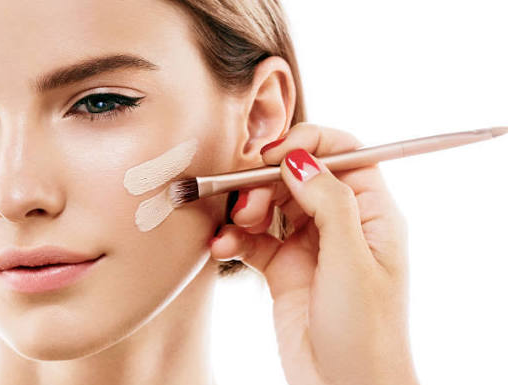
Test on Your Jawline
The jawline is one of the best areas to test foundation because it helps you compare your face and neck.
Avoid testing only on your hand because your hand color may not match your face.
Check in Natural Light
Store lighting can affect how foundation looks. Always check the shade near natural light if possible.
Wait Before Deciding
Some foundations change color slightly after application due to oxidation. Allow a few minutes before choosing your final shade.
Choosing Foundation Based on Skin Type
Your skin type affects how foundation looks and feels throughout the day.
| Skin Type | Best Foundation Type |
|---|---|
| Oily Skin | Matte or oil-control foundation |
| Dry Skin | Hydrating or dewy foundation |
| Combination Skin | Natural finish foundation |
| Sensitive Skin | Gentle, lightweight formulas |
| Acne-Prone Skin | Non-comedogenic foundation |
The right formula should not only match your skin color but also work well with your skin’s needs.
Understanding Foundation Finishes
Foundation finishes affect the final appearance of your makeup.
Matte Finish
Best for:
- Oily skin
- Long-lasting makeup looks
- Reducing shine
A matte foundation creates a smooth, less shiny appearance.
Dewy Finish
Best for:
- Dry skin
- A fresh, glowing look
- Natural makeup styles
Dewy foundations create a radiant appearance.
Natural Finish
A natural finish provides a balance between matte and glowing. It works well for many skin types and everyday makeup.
Choosing the Right Foundation Coverage
Foundation comes in different coverage levels.
| Coverage | Best For |
|---|---|
| Light Coverage | Natural everyday makeup |
| Medium Coverage | Evening out skin tone |
| Full Coverage | Covering more visible imperfections |
Beginners often prefer medium coverage because it provides flexibility and can be layered when needed.
Common Foundation Mistakes to Avoid
Choosing a Shade Too Light
Many people choose a foundation that is lighter than their actual skin tone. This can create an unnatural appearance.
Ignoring Undertones
A foundation may look close in color but still appear wrong if the undertone does not match.
Testing Only on Your Hand
Your hand may have a different color than your face, making it unreliable for shade matching.
Applying Foundation Without Skin Preparation
Foundation applies better when the skin is properly moisturized and prepared.
Buying Without Checking the Return Policy
Shade matching can be difficult online, so choose brands that offer flexible exchanges when possible.
Tips for Finding Foundation Online
Buying foundation online can be challenging, but these tips can help:
- Compare your current foundation shade with brand shade charts.
- Read customer reviews with similar skin tones.
- Look for online shade-matching tools.
- Understand whether the brand runs lighter or darker.
- Consider buying samples before purchasing a full-size product.
How to Make Foundation Look More Natural
Even the perfect shade can look unnatural if applied incorrectly.
Follow these tips:
- Apply a small amount first.
- Blend thoroughly around the jawline and hairline.
- Use a damp makeup sponge or suitable brush.
- Layer gradually instead of applying too much.
- Set makeup according to your skin type.
A natural foundation look comes from proper blending and choosing the right formula.
Frequently Asked Questions (FAQs)
1. How do I know which foundation shade matches my skin?
Test foundation along your jawline and choose the shade that disappears into your skin without creating a noticeable difference between your face and neck.
2. Should foundation match my face or my neck?
Ideally, foundation should blend seamlessly between your face and neck for the most natural appearance.
3. What is the difference between warm, cool, and neutral undertones?
Warm undertones usually have golden or yellow tones, cool undertones have pink or blue tones, and neutral undertones have a balance of both.
4. Can I mix two foundation shades?
Yes. Mixing two shades can help create a closer match, especially when your skin tone changes throughout the year.
5. What foundation is best for beginners?
A medium-coverage foundation with a natural finish is often a good starting point because it is easy to apply and works for many occasions.
6. How do I choose foundation for oily skin?
Look for lightweight, oil-control, or matte formulas that help reduce excess shine.
7. How do I choose foundation for dry skin?
Hydrating foundations with a dewy or natural finish can help prevent makeup from looking dry or patchy.
8. Why does my foundation look orange after applying?
Foundation may appear orange due to oxidation, an incorrect undertone match, or choosing a shade that is too warm for your skin.
Final Thoughts
Learning how to choose the right foundation for your skin tone is an essential step in creating a flawless makeup look. The perfect foundation is not simply the closest color—it should match your undertone, suit your skin type, provide your preferred coverage, and blend naturally.
Take time to understand your skin tone, test shades properly, and choose a formula that feels comfortable. With the right foundation, your makeup routine becomes easier, more natural-looking, and more enjoyable.