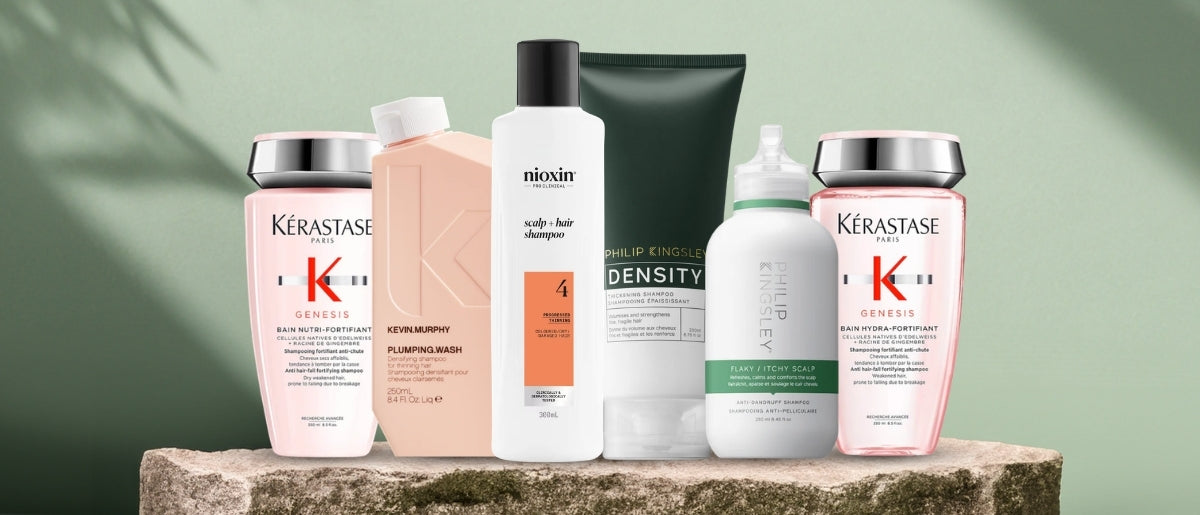
Hair loss and thinning hair are among the most common concerns for both men and women today. Factors like stress, hormonal imbalance, poor diet, heat styling, and harsh chemicals can weaken hair follicles and reduce hair density over time. Choosing the right shampoo plays an important role in controlling hair fall, strengthening roots, and improving overall scalp health.
In this guide, we will explore the best shampoo for hair loss and thinning hair, what ingredients to look for, how to use them correctly, and how to build a complete hair care routine for long-term results.
Understanding Hair Loss and Thinning Hair
Before selecting a shampoo, it is important to understand what causes hair thinning:
- Weak hair follicles
- Excess oil or clogged scalp
- Nutritional deficiencies
- Stress and hormonal imbalance
- Genetic factors
- Excessive heat or chemical treatments
Thinning hair does not happen overnight—it develops gradually. A proper shampoo can help slow down this process and support healthier regrowth conditions.
How Shampoo Helps in Hair Loss Control
A good anti-hair fall shampoo does more than just clean your scalp. It:
- Removes excess sebum and buildup
- Strengthens hair roots
- Improves blood circulation in the scalp
- Reduces breakage and shedding
- Creates a healthy environment for growth
However, shampoo alone is not a cure—it works best when combined with proper diet and care routine.
Key Ingredients to Look for in Hair Loss Shampoos
When choosing a shampoo for thinning hair, focus on scientifically backed and nourishing ingredients:
1. Biotin (Vitamin B7)
- Strengthens hair structure
- Reduces breakage
- Improves keratin production
2. Caffeine
- Stimulates hair follicles
- Supports faster growth cycle
- Improves scalp circulation
3. Keratin
- Repairs damaged hair strands
- Adds thickness and smoothness
- Reduces frizz and breakage
4. Ketoconazole
- Helps reduce dandruff and scalp inflammation
- Supports healthier follicle environment
- Often used in medicated shampoos for hair thinning
5. Saw Palmetto
- May help reduce DHT-related hair loss
- Supports hormonal balance in scalp
6. Natural Oils (Argan, Coconut, Tea Tree)
- Deep hydration
- Scalp nourishment
- Reduced dryness and irritation
Best Types of Shampoos for Hair Loss and Thinning Hair
1. DHT-Blocking Shampoos
These shampoos help reduce the hormone linked to genetic hair loss. They are commonly used for male and female pattern thinning.
2. Volumizing Shampoos
Designed to make hair appear thicker and fuller by coating strands and adding texture.
3. Medicated Shampoos
Contain active ingredients like Ketoconazole that treat dandruff and scalp conditions contributing to hair loss.
4. Natural and Sulfate-Free Shampoos
Gentle cleansers that maintain scalp balance without stripping natural oils.
Top Shampoo Brand Category Examples
One of the most well-known professional hair care systems is Nioxin, which focuses on scalp health and thicker-looking hair through multi-step systems.
Other shampoos often include botanical blends and clinical formulas designed for reducing hair fall and improving density.
Hair Care Routine for Thinning Hair
Using the right shampoo is not enough. A complete routine is essential for visible improvement:
- Wash hair 2–3 times per week
- Use lukewarm water only
- Massage scalp gently for 2–3 minutes
- Always follow with conditioner
- Avoid harsh rubbing with towel
Consistency is more important than product switching.
Weekly Hair Strengthening Routine Table
| Day | Hair Care Step | Purpose |
|---|---|---|
| Monday | Oil massage + mild shampoo | Nourishment and scalp cleansing |
| Tuesday | Rest day | Natural oil balance |
| Wednesday | Shampoo + conditioner | Strengthening and hydration |
| Thursday | Scalp massage (no wash) | Blood circulation boost |
| Friday | Anti-hair fall shampoo | Follicle stimulation |
| Saturday | Deep conditioning treatment | Repair and moisture restoration |
| Sunday | Rest + light oiling | Recovery and relaxation |
Common Mistakes That Increase Hair Loss
Many people unintentionally worsen hair thinning by making these mistakes:
- Washing hair too frequently
- Using harsh sulfate shampoos daily
- Ignoring scalp health
- Excessive heat styling
- Skipping conditioner
- Tight hairstyles that pull roots
Correcting these habits is just as important as using the right shampoo.
Natural Support for Hair Regrowth
Along with shampoos, natural care can improve results:
- Aloe vera gel for scalp soothing
- Coconut oil for deep nourishment
- Onion juice for follicle stimulation
- Green tea rinse for antioxidants
These methods help create a healthy scalp environment for growth.
Lifestyle Factors That Affect Hair Thickness
Hair health is strongly connected to lifestyle choices:
- Protein-rich diet (eggs, lentils, fish)
- Iron and vitamin intake
- Stress management
- Proper sleep (7–8 hours daily)
- Regular exercise
Without these, even the best shampoo will have limited effect.
How to Use Shampoo Correctly for Hair Loss
Proper application is essential for results:
- Wet hair thoroughly
- Apply shampoo mainly to scalp
- Massage gently for 2–3 minutes
- Rinse completely
- Repeat if heavy oil or buildup exists
- Always follow with conditioner
Avoid applying shampoo only on hair lengths—it should focus on the scalp.
Expected Results Timeline
Hair care results take time:
- 1–2 weeks: Reduced scalp oiliness
- 3–4 weeks: Less breakage and shedding
- 6–8 weeks: Improved hair thickness appearance
- 3 months: Noticeable reduction in thinning (with consistency)
Patience and routine consistency are key.
FAQs: Best Shampoo for Hair Loss and Thinning Hair
1. Can shampoo really stop hair loss?
Shampoos can reduce hair fall caused by scalp issues but cannot fully stop genetic hair loss.
2. How often should I use anti-hair fall shampoo?
2–3 times per week is ideal for most people.
3. Is Ketoconazole safe for regular use?
Yes, but it is usually recommended 2–3 times weekly, depending on scalp condition.
4. Which shampoo is best for thinning hair?
Shampoos with biotin, caffeine, keratin, and scalp-friendly formulas like those from Nioxin are commonly recommended.
5. How long does it take to see results?
Visible improvement usually appears after 4–8 weeks of consistent use.
6. Should I oil my hair if I have hair loss?
Yes, oiling helps nourish the scalp, but it should be balanced and not excessive.
7. Can diet improve shampoo results?
Absolutely. A healthy diet significantly improves hair strength and growth outcomes.
Conclusion
Finding the best shampoo for hair loss and thinning hair requires understanding your scalp needs and choosing ingredients that support follicle health, reduce breakage, and improve density. Ingredients like biotin, caffeine, keratin, and Ketoconazole can make a significant difference when used consistently.