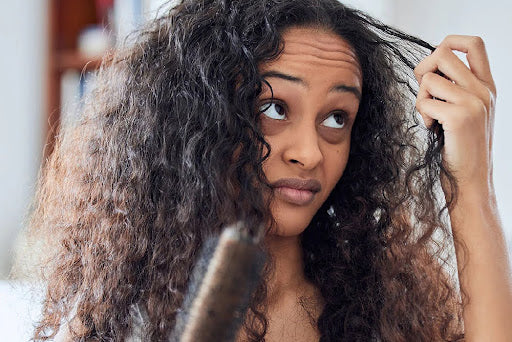
Keratin treatments are popular for making hair smoother, shinier, and more manageable by reducing frizz and strengthening the hair structure. While salon treatments can be expensive and sometimes harsh due to strong chemicals, it is possible to do a safer version of a safe keratin treatment at home with proper products and careful technique.
One of the most effective ways to achieve beautiful hair is through a safe keratin treatment that you can perform at home.
With a safe keratin treatment, you can significantly improve the health and appearance of your hair.
This guide explains how to do a keratin treatment at home safely, what to avoid, step-by-step instructions, and aftercare tips to protect your hair health.
What Is a Keratin Treatment?
Keratin is a natural protein found in hair, skin, and nails. Over time, heat styling, chemical treatments, and environmental damage reduce keratin levels in hair, leading to:
- Frizz
- Dryness
- Breakage
- Rough texture
A keratin treatment helps smooth the hair surface by coating strands with protein-based formulas, making hair appear straighter and healthier.
Is It Safe to Do Keratin Treatment at Home?
A safe keratin treatment can provide long-lasting results, making your hair smooth and shiny.
Yes, but only if you use:
Choosing the right products is crucial for a successful safe keratin treatment.
- Formaldehyde-free or low-chemical keratin products
- Proper heat settings
- Correct application steps
At-home treatments are generally milder than salon versions, which makes them safer but also less long-lasting.
What You Need for At-Home Keratin Treatment
Before starting, gather the following:
- Sulfate-free shampoo
- Keratin treatment kit (formaldehyde-free preferred)
- Blow dryer
- Hair straightener (ceramic plates recommended)
- Wide-tooth comb
- Hair clips
- Gloves
For best results, follow our guide to ensure your safe keratin treatment is effective.
Step-by-Step Guide: How to Do Keratin Treatment at Home Safely
Step 1: Wash Hair Thoroughly
Start with a deep cleanse using a sulfate-free clarifying shampoo.
- Wash hair 1–2 times
- Remove all oil, dirt, and product buildup
- Do not use conditioner afterward
Clean hair allows better keratin absorption.
Step 2: Dry Hair Completely
- Towel dry first
- Then blow dry until 100% dry
- Hair should be completely free of moisture
Wet hair will block keratin penetration.
Step 3: Divide Hair into Sections
- Split hair into 4–6 sections
- Use clips to keep them separated
- This ensures even application
Step 4: Apply Keratin Product Carefully
- Wear gloves
- Apply small amounts from mid-length to ends
- Avoid applying too much on scalp
- Comb through each section to distribute evenly
Do not oversaturate hair.
Step 5: Let It Sit
- Leave the product on for 20–40 minutes (depending on instructions)
- Do not tie or disturb hair
- Allow absorption into hair strands
Step 6: Blow Dry Again
- Blow dry hair on medium heat
- Use a round brush for smoothness
- Ensure hair becomes fully dry and straight
This step locks in the keratin base.
Step 7: Flat Iron the Hair
This is the most important step.
- Use ceramic flat iron
- Set temperature between 180°C–230°C (based on hair type)
- Pass each section 6–10 times slowly
This seals keratin into the hair cuticle.
Aftercare: How to Maintain Keratin Treatment
Proper aftercare determines how long results last.
First 72 Hours (Critical Phase)
Ensure your tools are prepared to create the ideal conditions for a safe keratin treatment.
- Do NOT wash hair
- Avoid tying hair
- Avoid clips, bands, or pins
- Keep hair straight and loose
After 3 Days
- Use only sulfate-free shampoo
- Wash hair 2–3 times per week
- Apply lightweight conditioner
- Avoid saltwater and chlorine
Weekly Hair Care Table After Keratin Treatment
| Day | Care Step | Purpose |
|---|---|---|
| Monday | Sulfate-free wash + conditioner | Clean + maintain smoothness |
| Tuesday | Leave hair natural | Preserve keratin layer |
| Wednesday | Light oil on ends | Prevent dryness |
| Thursday | Rest day | Maintain structure |
| Friday | Gentle wash if needed | Scalp hygiene |
| Saturday | Serum application | Shine and frizz control |
| Sunday | Deep conditioning (light) | Moisture balance |
Best Practices for Safe At-Home Keratin Treatment
- Always choose formaldehyde-free products
- Do a patch test before full application
- Avoid excessive heat on fine or damaged hair
- Work in a ventilated area
- Follow instructions from the product kit
A blow dryer is essential for completing your safe keratin treatment properly.
Safety should always come first.
Common Mistakes to Avoid
Many people damage their hair by making simple mistakes:
- Using high heat without protection
- Applying too much product on scalp
- Skipping sectioning
- Washing hair too early
- Using regular shampoo after treatment
These mistakes can reduce results or cause dryness.
Who Should Avoid Keratin Treatments?
Keratin treatments may not be suitable for:
- Extremely damaged or brittle hair
- Very fine or weak hair (without professional advice)
- People sensitive to chemical products
- Pregnant individuals (consult a doctor first)
Flat ironing is a key step in locking in the benefits of your safe keratin treatment.
In such cases, natural smoothing treatments may be safer.
Natural Alternatives to Keratin Treatment
If you prefer chemical-free options, try:
- Aloe vera and coconut milk mask
- Banana and honey hair mask
- Rice water rinse
- Egg protein treatment