Introduction
Choosing the right foundation is one of the most important steps in makeup, yet it is also one of the most confusing. A wrong shade can make your skin look dull, too light, or overly dark, even if the rest of your makeup is perfect. Understanding how to choose foundation shade for your skin tone helps you achieve a natural, even complexion that blends seamlessly with your skin.
This guide explains skin undertones, testing methods, and practical tips to help you find your perfect match without guessing.
Understand Your Skin Tone and Undertone
Before selecting a foundation, you need to know two key things: skin tone and undertone.
Skin Tone
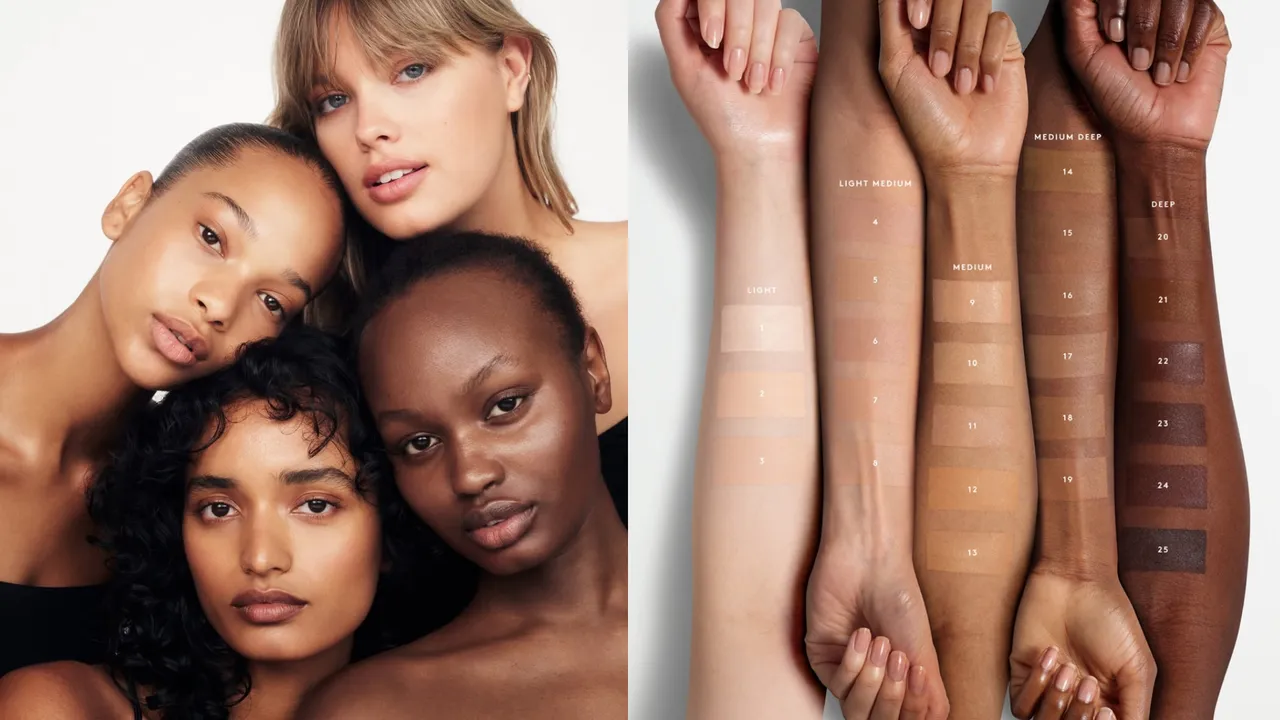
Skin tone refers to the surface color of your skin, usually categorized as:
- Fair
- Light
- Medium
- Tan
- Deep
Undertone
Undertone is the subtle color beneath your skin’s surface and does not change with sun exposure. It is usually classified into:
- Warm undertone: yellow, golden, or peach hues
- Cool undertone: pink, red, or bluish hues
- Neutral undertone: a mix of warm and cool tones
Knowing your undertone is essential because foundation must complement it, not just match your skin shade.
How to Identify Your Undertone
1. Vein Test
Look at the veins on your wrist:
- Blue or purple veins indicate cool undertones
- Green veins indicate warm undertones
- A mix of both suggests neutral undertones
2. Jewelry Test
- Gold jewelry looks better on warm undertones
- Silver jewelry suits cool undertones
- Both look good on neutral undertones
3. Sun Reaction
- If you tan easily, you likely have warm undertones
- If you burn easily, you likely have cool undertones
How to Test Foundation Correctly
Test on Jawline, Not Hand
Always test foundation on your jawline instead of your hand. Your face and hand often have different shades due to sun exposure.
Check in Natural Light
Store lighting can be misleading. Always check foundation in natural daylight to see the true match.
Wait Before Deciding
After applying foundation, wait a few minutes. Some formulas oxidize and become slightly darker over time.
Blend and Observe
A perfect shade should disappear into your skin without leaving visible lines or patches.
Best Way to Match Foundation Shades
The ideal foundation should match both your skin tone and undertone.
- If your skin is fair with cool undertones, choose pink-based foundations
- If your skin is medium with warm undertones, choose yellow or golden-based foundations
- If you have neutral undertones, choose balanced beige shades
Many brands label shades with undertone indicators like “W” for warm, “C” for cool, and “N” for neutral.
Foundation Shade Matching Table
| Skin Tone | Undertone | Recommended Shade Type | Result |
|---|---|---|---|
| Fair | Cool | Pink-based light foundation | Natural, even finish |
| Fair | Warm | Peach or golden light foundation | Healthy glow |
| Medium | Neutral | Beige neutral foundation | Balanced look |
| Medium | Warm | Yellow/golden medium foundation | Warm natural finish |
| Tan | Warm | Golden or caramel foundation | Sun-kissed effect |
| Deep | Cool | Rich cocoa with red undertones | Smooth complexion |
| Deep | Warm | Deep mocha with golden undertones | Radiant finish |
Common Mistakes When Choosing Foundation
One common mistake is choosing a shade based on appearance in the bottle. Foundation often looks different on skin than in packaging.
Another mistake is matching foundation only to the neck or only to the face. The correct approach is to ensure both areas blend naturally together.
Many people also choose a shade that is too light, thinking it will brighten the face. This often creates an unnatural, greyish appearance.
Ignoring undertones is another major mistake that leads to mismatched makeup.
Seasonal Changes in Skin Tone
Your skin tone may change slightly depending on the season.
- In summer, skin tends to become darker due to sun exposure
- In winter, skin may appear lighter or dull
It is often useful to have two foundation shades or mix them for a perfect match throughout the year.
Tips for a Perfect Foundation Match
Always test at least two to three shades before buying. Small differences can significantly affect your final look.
Blend foundation slightly down your neck to ensure a seamless transition.
Use a damp makeup sponge for a more natural finish, especially if you are between shades.
If you are unsure between two shades, choose the slightly lighter one and adjust with bronzer.
Types of Foundation Finishes
Different finishes can also affect how your shade appears:
- Matte finish: best for oily skin, gives a smooth, shine-free look
- Dewy finish: ideal for dry skin, adds glow and hydration
- Satin finish: balanced option for most skin types
Even with the correct shade, choosing the wrong finish can change how natural your makeup looks.
FAQs
1. How do I know my exact foundation shade?
The best way is to test shades on your jawline in natural light and choose the one that blends seamlessly into your skin.
2. Should foundation be lighter or darker than skin?
Foundation should match your skin exactly. If unsure, a slightly lighter shade is better than a darker one.
3. Can I mix two foundation shades?
Yes, mixing shades is a common technique to achieve a perfect match, especially when skin tone changes seasonally.
4. Why does my foundation look grey?
This usually happens when you choose a shade with the wrong undertone, especially cool tones on warm skin.
5. How important is undertone in foundation matching?
Undertone is very important because it ensures the foundation blends naturally and does not look artificial.
Conclusion
Learning how to choose foundation shade for your skin tone is essential for achieving a flawless and natural makeup look. By understanding your undertone, testing correctly, and avoiding common mistakes, you can find a foundation that enhances your natural beauty instead of masking it. With the right shade, your makeup will always look smooth, balanced, and perfectly blended.