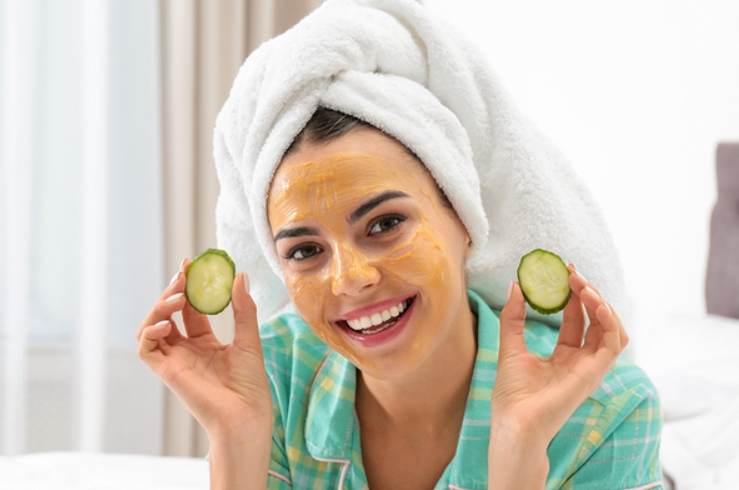
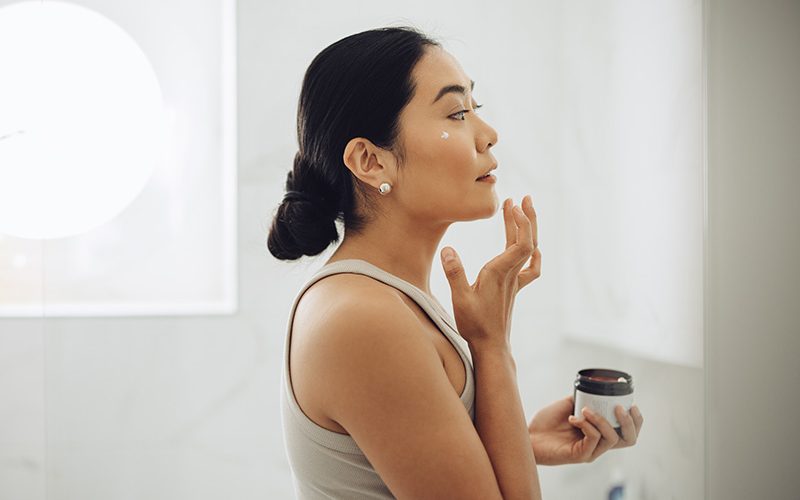
Stressed and tired skin is becoming increasingly common due to long working hours, lack of sleep, pollution exposure, screen time, and emotional stress. Dermatologists often describe this condition as “skin fatigue,” where the skin looks dull, dehydrated, uneven, and more sensitive than usual.
A dermatologist-inspired routine focuses less on aggressive treatments and more on barrier repair, hydration, and calming inflammation. The goal is to restore balance and help the skin recover its natural glow.
This guide explains a simple yet effective dermatologist-inspired skincare routine for stressed and tired skin that can be followed daily.
What Happens to Skin When It Is Stressed
When your body is under stress, your skin reflects it quickly.
Common signs include:
- Dull and tired-looking complexion
- Increased sensitivity or redness
- Breakouts or clogged pores
- Dry patches or dehydration
- Dark circles and puffiness
- Slower skin recovery
Stress increases cortisol levels, which can weaken the skin barrier and disrupt oil balance.
Core Principles of a Dermatologist-Inspired Routine
Dermatologists usually prioritize:
- Repairing the skin barrier
- Reducing inflammation
- Restoring hydration
- Using minimal but effective products
- Avoiding over-treatment
The routine should be simple, consistent, and gentle.
Morning Routine for Stressed and Tired Skin
The morning routine focuses on protection and hydration.
Step-by-step:
- Gentle cleanser
- Hydrating toner or essence (optional)
- Antioxidant serum
- Lightweight moisturizer
- Broad-spectrum sunscreen
This routine helps protect the skin from daily environmental stress.
Evening Routine for Skin Recovery
Nighttime is when skin repair naturally happens, so this routine focuses on healing.
Step-by-step:
- Gentle cleanser (double cleanse if needed)
- Soothing toner or essence
- Barrier-repair serum
- Moisturizer
- Facial oil (optional for very dry skin)
This helps the skin recover from daily fatigue and stress exposure.
Key Ingredients Recommended by Dermatologists
Dermatologists often recommend calming and repairing ingredients rather than harsh actives.
Best ingredients for stressed skin:
- Ceramides: Restore and strengthen the skin barrier
- Hyaluronic Acid: Deep hydration and plumping
- Niacinamide: Reduces redness and improves texture
- Panthenol (Vitamin B5): Soothes irritation
- Centella Asiatica: Calms inflammation
- Squalane: Locks in moisture without clogging pores
These ingredients help restore balance without irritating the skin.
Weekly Skin Recovery Routine
In addition to daily care, dermatologists often recommend weekly treatments.
1. Hydrating Mask (2–3 times per week)
Restores moisture and reduces fatigue appearance.
2. Gentle Exfoliation (once per week)
Removes dead skin cells and improves glow.
- Use mild chemical exfoliants
- Avoid harsh scrubs
3. Soothing Treatment (as needed)
Helps calm redness and sensitivity.
Dermatologist-Inspired Routine Table
| Step | Morning Purpose | Evening Purpose |
|---|---|---|
| Cleanser | Remove overnight oil | Remove dirt and pollution |
| Serum | Antioxidant protection | Barrier repair |
| Moisturizer | Light hydration | Deep nourishment |
| Sunscreen | UV protection | Not used |
Lifestyle Habits That Improve Skin Recovery
Dermatologists emphasize that skincare alone is not enough.
Helpful habits include:
- Getting adequate sleep (7–9 hours)
- Drinking enough water daily
- Reducing screen time before bed
- Managing stress through relaxation techniques
- Eating antioxidant-rich foods
Healthy habits directly improve skin healing.
Common Mistakes to Avoid
Overloading skincare products
Too many actives can worsen irritation.
Skipping moisturizer
Even oily stressed skin needs hydration.
Using harsh exfoliants
This can damage already weakened skin barriers.
Changing products too frequently
Skin needs time to stabilize and recover.
Signs Your Routine Is Working
You will notice improvements such as:
- Brighter, more even skin tone
- Reduced redness and sensitivity
- Improved hydration levels
- Smoother texture
- Fewer breakouts
- Healthier glow
Recovery usually takes a few weeks of consistent care.
Simple Dermatologist-Style Routine Example
Morning:
- Gentle cleanser
- Niacinamide or antioxidant serum
- Moisturizer
- Sunscreen
Evening:
- Gentle cleanser
- Centella or ceramide serum
- Moisturizer
This minimal routine is often recommended for stressed skin recovery.
Frequently Asked Questions
What causes stressed and tired skin?
Stress, lack of sleep, pollution, poor diet, and overuse of harsh skincare products.
Can skincare fix tired-looking skin?
Yes, but results improve faster when combined with healthy lifestyle habits.
How long does it take to recover stressed skin?
Usually 2–6 weeks depending on severity and consistency.
Should I use active ingredients like retinol?
Only after the skin barrier is stabilized and not during severe irritation.
What is the most important step for stressed skin?
Hydration and barrier repair are the most important steps.
Conclusion
A dermatologist-inspired skincare routine for stressed and tired skin focuses on calming, repairing, and protecting the skin rather than over-treating it. By using gentle cleansers, barrier-supporting ingredients, and consistent hydration, you can restore your skin’s natural glow and resilience.