As women enter their 30s, the skin naturally begins to change. Collagen production starts to decline, fine lines may become more noticeable, and the skin can lose some of its firmness and elasticity. While aging is a natural process, using the right skincare ingredients can help maintain healthy, radiant, and youthful-looking skin.
Choosing products with proven anti-aging ingredients is one of the most effective ways to support your skin. Instead of buying multiple products with trendy claims, focus on ingredients backed by consistent results.
Why Skin Changes After 30
Around the age of 30, the body’s production of collagen and elastin gradually decreases. Cell turnover also slows down, making the skin appear duller and less smooth. Environmental factors such as sun exposure, pollution, stress, and lack of sleep can accelerate visible signs of aging.
A consistent skincare routine with effective ingredients can help improve skin texture, reduce the appearance of wrinkles, and protect the skin from further damage.
Best Anti Aging Skincare Ingredients
The following ingredients are among the most effective for women over 30 looking to maintain healthy, youthful skin.
| Ingredient | Main Benefits | Best Time to Use |
|---|---|---|
| Retinol | Reduces wrinkles and boosts collagen | Night |
| Vitamin C | Brightens skin and fights free radicals | Morning |
| Hyaluronic Acid | Deep hydration and plumper skin | Morning & Night |
| Niacinamide | Improves skin barrier and reduces fine lines | Morning & Night |
| Peptides | Supports collagen production | Morning & Night |
| Ceramides | Strengthens the skin barrier | Morning & Night |
| Alpha Hydroxy Acids (AHAs) | Exfoliates and smooths skin | Night (2–3 times weekly) |
| Sunscreen (SPF 30+) | Prevents premature aging | Every Morning |
1. Retinol
Retinol is one of the most recommended anti-aging ingredients by skincare professionals.
It works by increasing cell turnover and stimulating collagen production, helping reduce the appearance of fine lines, wrinkles, uneven texture, and age spots.
If you’re new to retinol, begin with a low concentration two or three nights per week and gradually increase usage as your skin adjusts.
Always wear sunscreen during the day when using retinol.
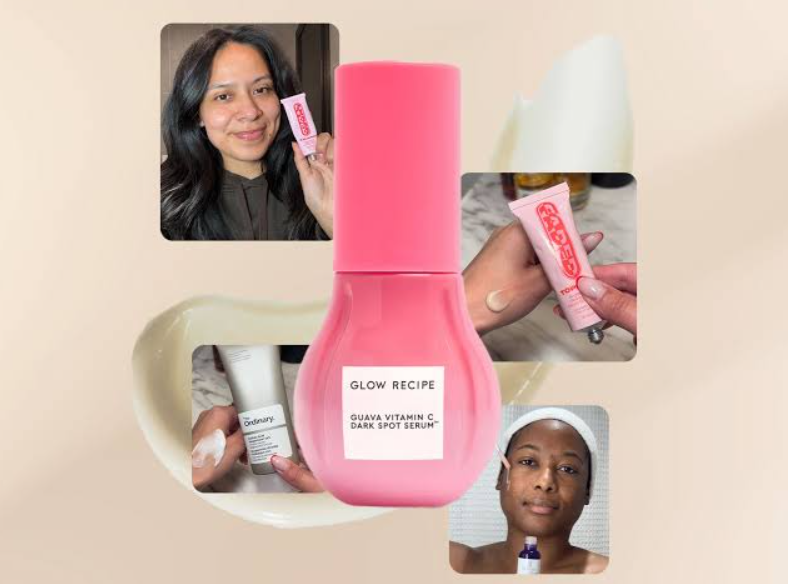
2. Vitamin C
Vitamin C is a powerful antioxidant that helps protect the skin from environmental damage while brightening the complexion.
Regular use may help:
- Reduce dark spots
- Improve skin tone
- Boost collagen production
- Defend against free radicals
- Enhance skin radiance
Apply Vitamin C serum in the morning before moisturizer and sunscreen for maximum protection.
3. Hyaluronic Acid
Hydration becomes increasingly important after the age of 30.
Hyaluronic acid attracts moisture to the skin, making it appear smoother, softer, and more plump. It also helps minimize the appearance of fine lines caused by dehydration.
This ingredient works well for all skin types, including oily and sensitive skin.
4. Niacinamide
Niacinamide, also known as Vitamin B3, is a versatile skincare ingredient with multiple anti-aging benefits.
It helps:
- Improve skin elasticity
- Reduce redness
- Minimize enlarged pores
- Strengthen the skin barrier
- Fade uneven pigmentation
- Control excess oil production
Niacinamide pairs well with many other skincare ingredients, making it easy to include in daily routines.
5. Peptides
Peptides are short chains of amino acids that help support the skin’s natural collagen production.
As collagen declines with age, peptide-based skincare products can improve firmness and reduce the appearance of fine lines over time.
They are generally gentle enough for daily use and work well alongside hydrating ingredients.
6. Ceramides
A healthy skin barrier is essential for maintaining youthful skin.
Ceramides are naturally found in the skin and help lock in moisture while protecting against environmental damage.
As skin ages, ceramide levels decrease, making moisturizers containing ceramides especially beneficial for women over 30.
7. Alpha Hydroxy Acids (AHAs)
AHAs such as glycolic acid and lactic acid gently exfoliate the skin by removing dead skin cells.
Benefits include:
- Smoother texture
- Brighter complexion
- Reduced appearance of fine lines
- Better absorption of skincare products
Use AHAs only two or three times each week to avoid irritation.
8. Sunscreen
No anti-aging skincare routine is complete without sunscreen.
Daily sun protection helps prevent:
- Fine lines
- Wrinkles
- Hyperpigmentation
- Loss of elasticity
- Sun damage
Choose a broad-spectrum sunscreen with SPF 30 or higher and apply it every morning, even when staying indoors near windows.
Building an Anti Aging Skincare Routine
An effective routine doesn’t have to be complicated.
Morning Routine
- Gentle cleanser
- Vitamin C serum
- Hyaluronic acid serum
- Moisturizer
- Sunscreen
Evening Routine
- Gentle cleanser
- Retinol (on designated nights)
- Peptide or niacinamide serum
- Moisturizer with ceramides
Keeping your routine simple and consistent often delivers better long-term results than using too many products at once.
Lifestyle Habits That Support Youthful Skin
Skincare products work best when combined with healthy daily habits.
Consider the following:
- Drink enough water throughout the day.
- Eat a balanced diet rich in fruits and vegetables.
- Get seven to eight hours of quality sleep.
- Avoid smoking.
- Limit excessive alcohol consumption.
- Exercise regularly to improve circulation.
- Manage stress through relaxation techniques.
Healthy lifestyle choices contribute significantly to maintaining vibrant skin.
Common Anti Aging Skincare Mistakes
Avoid these common mistakes that can slow your skincare progress:
- Skipping sunscreen
- Using too many active ingredients together
- Over-exfoliating
- Expecting immediate results
- Not moisturizing oily skin
- Changing products too frequently
Patience and consistency are essential for seeing noticeable improvements.
How Long Does It Take to See Results?
The timeline depends on the ingredients used and your skin condition.
Hydrating ingredients such as hyaluronic acid may provide immediate improvements in skin texture, while retinol and peptides often require eight to twelve weeks of consistent use before visible changes in fine lines and firmness become noticeable.
Maintaining a daily skincare routine is the best way to achieve long-lasting results.
Frequently Asked Questions
What is the best anti-aging ingredient for women over 30?
Retinol is widely considered one of the most effective anti-aging ingredients because it helps stimulate collagen production and reduce the appearance of fine lines and wrinkles.
Can I use Vitamin C and retinol together?
Yes. Many people use Vitamin C in the morning and retinol at night to maximize their anti-aging benefits while minimizing irritation.
Is sunscreen necessary if I stay indoors?
Yes. UV rays can penetrate windows, and daily sunscreen helps protect your skin from premature aging caused by sun exposure.
At what age should I start using anti-aging skincare?
Many skincare professionals recommend starting preventive anti-aging products in your late 20s or early 30s, depending on your skin concerns.
How often should I use retinol?
Beginners should start using retinol two or three nights per week and gradually increase frequency as their skin becomes more tolerant.
Final Thoughts
Finding the best anti aging skincare ingredients for women over 30 is about choosing products that nourish, protect, and strengthen the skin over time. Ingredients such as retinol, Vitamin C, hyaluronic acid, niacinamide, peptides, ceramides, and sunscreen work together to improve hydration, support collagen production, and reduce visible signs of aging. With a consistent skincare routine and healthy lifestyle habits, you can maintain smoother, firmer, and more radiant skin for years to come.