
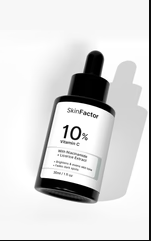
Dark spots, uneven skin tone, and pigmentation are some of the most common skincare concerns people experience. They can develop due to sun exposure, acne marks, aging, hormonal changes, and environmental factors. While many skincare ingredients are available, vitamin C remains one of the most popular choices for improving the appearance of dullness and uneven complexion.
Choosing the best vitamin C serum for dark spots and pigmentation requires understanding how vitamin C works, which ingredients to look for, and how to use it correctly for better results.
This guide explains everything you need to know about vitamin C serums, including benefits, important ingredients, application tips, and mistakes to avoid.
What Is Vitamin C Serum?
Vitamin C serum is a concentrated skincare product containing vitamin C, an antioxidant ingredient commonly used in brightening and skin-supporting routines.
Unlike regular moisturizers, serums are lightweight and designed to deliver targeted ingredients deeper into the skin’s surface.
Vitamin C serums are commonly used to improve the appearance of:
- Dark spots
- Uneven skin tone
- Dull-looking skin
- Post-acne marks
- Sun-related discoloration
- Lack of brightness
When used consistently, vitamin C can help create a smoother and more radiant-looking complexion.
Benefits of Vitamin C Serum for Dark Spots and Pigmentation
1. Helps Brighten Uneven Skin Tone
One of the biggest reasons people use vitamin C is its ability to improve the appearance of dull and uneven skin.
Regular use may help create a more balanced-looking complexion and enhance natural radiance.
2. Supports a More Even Appearance
Dark spots caused by sun exposure or previous breakouts can make skin appear uneven.
Vitamin C serums are often included in skincare routines designed to improve the appearance of discoloration and create a more uniform skin tone.
3. Provides Antioxidant Protection
Vitamin C is an antioxidant that helps protect skin from environmental stressors.
Daily exposure to factors such as pollution and sunlight can contribute to visible signs of skin stress. Antioxidant skincare helps support healthier-looking skin.
4. Improves the Appearance of Dull Skin
Skin can appear tired due to stress, lack of sleep, dehydration, or environmental exposure.
Vitamin C serums are popular because they can help restore a fresher and brighter-looking appearance.
Types of Vitamin C Used in Skincare
Not all vitamin C ingredients are the same. Different forms offer different levels of stability and effectiveness.
L-Ascorbic Acid
L-ascorbic acid is the purest form of vitamin C and is commonly used in skincare products.
Benefits:
- Strong antioxidant properties
- Popular for brightening routines
- Frequently studied in skincare
However, it can be more sensitive to light and air, so proper storage is important.
Sodium Ascorbyl Phosphate
This is a more stable vitamin C derivative.
It is often preferred by people who want a gentler option, especially if they have sensitive skin.
Magnesium Ascorbyl Phosphate
Another vitamin C derivative known for being gentle and suitable for many skin types.
It is often included in products focused on hydration and brightening.
How to Choose the Best Vitamin C Serum for Dark Spots
When selecting a vitamin C serum, consider the following factors:
Check the Vitamin C Concentration
Vitamin C serums come in different strengths.
Beginners often prefer lower concentrations, while experienced users may choose stronger formulas depending on their skin tolerance.
A higher percentage does not always mean better results. The right concentration depends on your skin type and sensitivity.
Look for Supporting Ingredients
Many effective vitamin C serums include additional ingredients that complement vitamin C.
Common supporting ingredients include:
Vitamin E
Vitamin E is often combined with vitamin C because both ingredients provide antioxidant benefits.
Ferulic Acid
Ferulic acid is commonly added to vitamin C formulas to improve antioxidant stability.
Hyaluronic Acid
Hyaluronic acid helps provide hydration, making the serum more comfortable for dry skin types.
Niacinamide
Niacinamide is often used in brightening skincare routines and can complement vitamin C when formulated properly.
How to Use Vitamin C Serum Correctly
Using vitamin C properly helps you get the most from your skincare routine.
Morning Application
Many people prefer applying vitamin C serum in the morning because it fits well with antioxidant protection routines.
A simple order can be:
- Cleanser
- Vitamin C serum
- Moisturizer
- Sunscreen
Start Slowly
If you are new to vitamin C:
- Apply it a few times per week initially.
- Increase usage gradually if your skin responds well.
- Avoid introducing multiple new active ingredients at the same time.
Always Use Sunscreen
Sunscreen is essential when working on dark spots and pigmentation concerns.
Sun exposure can contribute to the appearance of discoloration, so daily sun protection supports your skincare goals.
Vitamin C Serum for Different Skin Types
Oily Skin
Choose lightweight, fast-absorbing formulas that do not feel heavy.
Look for:
- Water-based serums
- Non-greasy textures
- Lightweight hydration
Dry Skin
Look for vitamin C serums containing moisturizing ingredients.
Helpful additions include:
- Hyaluronic acid
- Glycerin
- Hydrating ingredients
Sensitive Skin
Sensitive skin may require a gentler approach.
Consider:
- Lower-strength formulas
- Stable vitamin C derivatives
- Fragrance-free products
Always patch test before applying a new product to your entire face.
Common Mistakes When Using Vitamin C Serum
Avoid these mistakes to protect your skin:
Using Too Much Product
A few drops are usually enough. Applying extra product does not necessarily improve results.
Combining Too Many Active Ingredients
Using several strong skincare ingredients together may increase irritation.
Be careful when combining vitamin C with:
- Strong exfoliants
- Retinoids
- Other powerful treatments
Storing Serum Incorrectly
Vitamin C can lose effectiveness when exposed to excessive light, heat, or air.
Store your serum according to the product instructions and keep the bottle tightly closed.
Expecting Overnight Results
Skincare improvements take time.
Consistency is more important than using a product occasionally and expecting immediate changes.
How Long Does Vitamin C Take to Work?
The timeline varies depending on skin type, product formulation, and consistency.
Many people notice improvements in:
- Skin brightness
- Overall texture
- Appearance of uneven tone
with regular use over time.
Patience and a complete skincare routine are important for achieving the best results.
Final Thoughts
Choosing the best vitamin C serum for dark spots and pigmentation depends on your skin type, sensitivity level, and skincare goals. A quality vitamin C serum can be a valuable addition to a routine focused on improving dullness, uneven tone, and the appearance of discoloration.
Look for stable vitamin C formulas, supportive ingredients, and products that match your skin’s needs. Use your serum consistently, apply sunscreen daily, and avoid overloading your skin with too many active ingredients.
With the right approach and patience, vitamin C can help support a brighter, smoother, and more radiant-looking complexion.