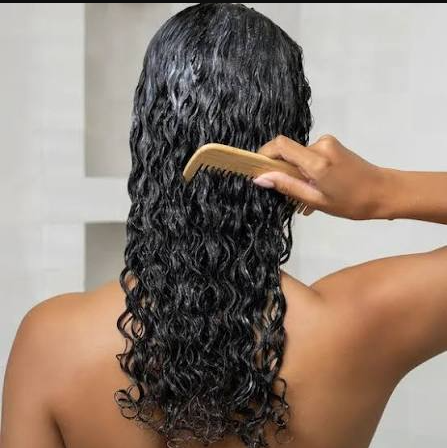
Dry and frizzy hair is a common concern caused by factors such as heat styling, weather changes, chemical treatments, lack of moisture, and improper hair care habits. When hair loses hydration, it can become rough, tangled, dull, and difficult to manage.
Using a nourishing hair mask regularly can help improve the appearance and feel of dry, frizzy hair. The best hair masks for dry and frizzy hair are designed to provide deep moisture, reduce roughness, improve softness, and make hair look smoother and healthier.
This guide explains what causes dry and frizzy hair, which ingredients to look for, how to use hair masks correctly, and how to create an effective hair care routine.
Why Does Hair Become Dry and Frizzy?
Understanding the cause of dryness can help you choose the right treatment.
Common reasons for dry and frizzy hair include:
- Excessive heat styling
- Frequent hair coloring or bleaching
- Lack of moisture
- Overwashing
- Harsh hair products
- Sun exposure
- Humidity
- Rough towel drying
- Lack of proper conditioning
Frizz occurs when the hair absorbs moisture from the environment due to a raised or damaged outer layer of the hair strand.
A good hair mask helps provide moisture and improves the appearance of the hair surface.
What Makes a Good Hair Mask for Dry and Frizzy Hair?
The right hair mask should focus on hydration, nourishment, and protection.
Look for masks containing:
- Moisturizing ingredients
- Natural oils
- Hair-strengthening proteins
- Conditioning agents
- Frizz-control ingredients
A quality hair mask should leave your hair feeling:
- Softer
- Smoother
- Easier to comb
- More manageable
- Healthier-looking
Best Ingredients for Dry and Frizzy Hair Masks
1. Coconut Oil
Coconut oil is a popular hair care ingredient known for its nourishing properties.
It may help:
- Reduce the feeling of dryness
- Improve softness
- Support smoother-looking hair
Coconut oil-based masks are especially popular for thick and coarse hair types.
2. Argan Oil
Argan oil is often called “liquid gold” because of its use in hair care products.
Benefits include:
- Improving shine
- Reducing the appearance of frizz
- Adding softness
- Helping smooth rough hair texture
It is suitable for many hair types because it provides moisture without feeling too heavy.
3. Shea Butter
Shea butter is a rich moisturizing ingredient often used in deep conditioning treatments.
It helps:
- Nourish dry strands
- Improve hair softness
- Reduce the appearance of roughness
It can be especially helpful for very dry or damaged hair.
4. Aloe Vera
Aloe vera is known for its soothing and hydrating qualities.
Hair masks containing aloe vera may help:
- Provide lightweight moisture
- Improve hair feel
- Support a healthier scalp environment
5. Keratin and Protein Ingredients
Dry and damaged hair may benefit from strengthening ingredients.
Protein-based masks can help:
- Improve the appearance of weak hair
- Reduce the look of damage
- Make hair feel stronger
However, balance protein treatments with moisturizing masks to prevent stiffness.
Types of Hair Masks for Different Hair Needs
Hair Masks for Extremely Dry Hair
Very dry hair often needs rich hydration.
Choose masks with:
- Oils
- Butters
- Deep moisturizing ingredients
Creamy formulas are often better suited for extremely dry strands.
Hair Masks for Frizzy Hair
Frizzy hair benefits from smoothing ingredients.
Look for:
- Argan oil
- Keratin
- Natural oils
- Conditioning ingredients
These can help create a smoother-looking finish.
Hair Masks for Damaged Hair
Damaged hair may need both moisture and strengthening.
Choose masks containing:
- Proteins
- Amino acids
- Repair-focused ingredients
Hair Masks for Curly Hair
Curly hair often requires extra hydration because natural oils may not travel easily through curls.
Helpful ingredients include:
- Shea butter
- Coconut oil
- Aloe vera
- Hydrating oils
How to Apply a Hair Mask Correctly
Using a hair mask properly helps you get better results.
Step 1: Wash Your Hair
Clean hair allows the mask to spread more evenly.
Use a gentle shampoo to remove buildup.
Step 2: Remove Excess Water
Gently squeeze out extra water with a towel.
Avoid rubbing your hair aggressively.
Step 3: Apply the Mask
Focus on:
- Mid-lengths
- Ends
- Dry areas
Avoid applying heavy masks directly to the scalp unless the product is designed for scalp use.
Step 4: Leave It on for the Recommended Time
Follow the product instructions.
Leaving a mask on longer does not always create better results.
Step 5: Rinse Thoroughly
Remove the mask completely to prevent heaviness or buildup.
How Often Should You Use a Hair Mask?
The ideal frequency depends on your hair condition.
Dry Hair:
1–2 times per week may help improve moisture.
Damaged Hair:
Regular treatments may support better-looking hair.
Healthy Hair:
A weekly mask can help maintain softness.
Avoid overusing heavy masks, as they may make some hair types feel weighed down.
DIY Hair Masks for Dry and Frizzy Hair
Many people enjoy simple homemade hair treatments.
Honey and Yogurt Hair Mask
Benefits:
- Adds moisture
- Helps hair feel softer
How to use:
- Mix plain yogurt with a small amount of honey.
- Apply to hair lengths.
- Leave briefly.
- Rinse thoroughly.
Banana Hair Mask
Bananas are often used in homemade hair masks because they contain conditioning nutrients.
How to use:
- Mash a ripe banana.
- Mix with a moisturizing ingredient.
- Apply to hair.
- Rinse carefully.
Make sure the mixture is smooth to avoid difficulty washing it out.
Common Hair Mask Mistakes to Avoid
Avoid these mistakes:
Applying Too Much Product
More product does not always mean better results.
Using the Wrong Mask for Your Hair Type
Choose based on your specific needs.
Applying Heavy Masks Too Often
This may create buildup.
Skipping Conditioner
Hair masks complement, but do not always replace, regular conditioning.
Rinsing With Very Hot Water
Hot water can increase dryness.
Additional Tips for Managing Dry and Frizzy Hair
Along with using hair masks:
- Reduce heat styling
- Use heat protection products
- Avoid overwashing
- Trim split ends regularly
- Sleep on a smooth pillowcase
- Protect hair from harsh weather
- Drink enough water
- Eat a balanced diet
A complete hair care routine produces better results than relying on one product.
Final Thoughts
The best hair masks for dry and frizzy hair are those that provide deep hydration, improve softness, and match your hair’s specific needs. Ingredients like coconut oil, argan oil, shea butter, aloe vera, and keratin can help support smoother and healthier-looking hair.
Dry and frizzy hair requires patience and consistent care. By using nourishing hair masks regularly, avoiding damaging habits, and following a gentle hair care routine, you can improve manageability, reduce the appearance of frizz, and enjoy softer, more beautiful-looking hair.