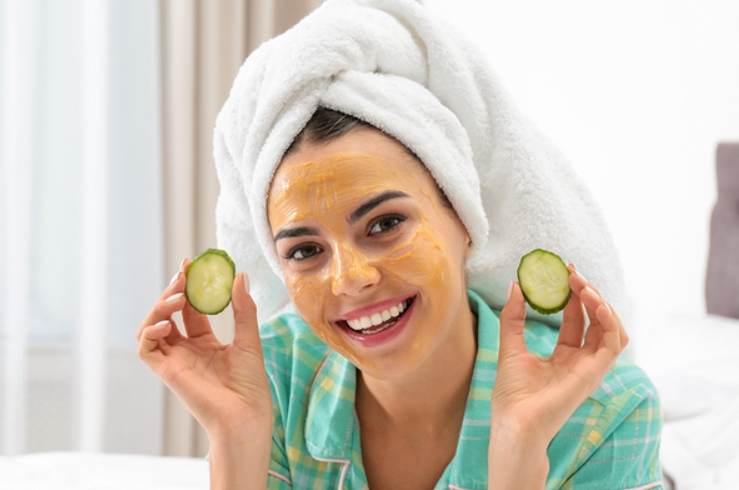

Glowing skin is often associated with health, hydration, and a fresh appearance. While there are countless beauty products available, many people prefer a simpler approach and look for natural remedies for glowing skin that can easily become part of their daily routine.
Natural skincare does not necessarily mean using complicated homemade masks or applying every ingredient found in the kitchen. In fact, a gentle routine focused on hydration, sun protection, adequate sleep, and healthy lifestyle habits can be more beneficial than constantly experimenting with new treatments.
If you want naturally glowing skin, consistency is more important than using a large number of products.
1. Keep Your Skin Properly Hydrated
Hydration is one of the most important parts of maintaining healthy-looking skin. When skin becomes dry, it can look dull, rough, or flaky.
Drink enough fluids throughout the day according to your individual needs, and use a gentle moisturizer to help maintain the skin’s moisture barrier.
Applying moisturizer while your skin is still slightly damp can help lock in moisture. Different skin types require different moisturizers, so choose a lightweight product for oily skin and a richer cream for dry skin.
Natural skincare does not mean you have to avoid moisturizers. A simple, fragrance-free moisturizer can be an important part of a gentle skincare routine.
2. Eat a Balanced Diet
Your diet can contribute to your overall health, and healthy habits are an important part of caring for your skin.
Include a variety of fruits, vegetables, whole grains, healthy fats, and protein sources in your meals. Colorful fruits and vegetables provide nutrients that support overall health.
Foods such as berries, citrus fruits, leafy greens, tomatoes, nuts, seeds, and avocados can be included as part of a balanced diet.
Rather than relying on one “glowing skin” food, focus on eating a varied and nutritious diet consistently.
3. Get Enough Sleep
Sleep is often overlooked when people search for natural ways to improve their appearance.
A consistent sleep schedule gives your body time to rest and recover. Poor sleep can leave you looking tired and may contribute to a dull appearance.
Try to maintain regular sleeping and waking times and create a relaxing bedtime routine. Limiting unnecessary screen use before bed and keeping your sleeping environment comfortable can also make it easier to maintain healthy sleep habits.
4. Protect Your Skin From the Sun
Sun protection is one of the most important habits for maintaining healthy-looking skin.
Although sunscreen may not seem like a “natural remedy,” protecting your skin from excessive ultraviolet exposure is essential. Dermatologists recommend broad-spectrum sunscreen with SPF 30 or higher, along with shade and protective clothing when appropriate.
Unprotected sun exposure can contribute to premature skin aging, dark spots, and other skin damage.
Avoid homemade sunscreen recipes. Homemade sunscreens do not provide reliably tested SPF or water resistance and can leave your skin inadequately protected.
5. Use Aloe Vera Carefully
Aloe vera is a popular natural ingredient used in skincare products and home beauty routines. Some people find aloe-based products soothing and hydrating.
If you want to try aloe vera on your skin, choose a simple product formulated for topical use rather than applying an unknown plant preparation directly to your face.
Always patch-test a new product before applying it widely. Natural ingredients can still cause irritation or allergic reactions.
6. Try a Gentle Oatmeal Treatment
Oatmeal is commonly used in skincare because it can have soothing properties, particularly for dry or irritated skin.
A simple colloidal oatmeal product can be a gentler option than harsh homemade scrubs.
Avoid aggressively rubbing oatmeal or other ingredients against your skin. Physical scrubbing can cause irritation, particularly if your skin is sensitive.
The goal of a natural skincare routine should be to support your skin, not strip it.
7. Avoid Harsh DIY Scrubs
Many online beauty trends recommend using ingredients such as lemon juice, baking soda, or coarse sugar as facial treatments.
These approaches can be problematic. Harsh or highly acidic ingredients may irritate the skin, while abrasive scrubs can damage the skin’s surface.
Just because an ingredient is natural does not mean it is automatically safe for facial skin.
Instead, use a gentle cleanser and moisturizer and avoid excessive exfoliation.
8. Keep Your Face Clean
A simple cleansing routine can help remove dirt, excess oil, sweat, makeup, and other buildup.
Use a gentle cleanser rather than harsh soap or aggressive scrubbing. Washing too frequently can irritate the skin and contribute to dryness.
For many people, cleansing in the evening is particularly important because it removes the day’s buildup before bed.
If you exercise or sweat heavily, cleanse afterward when appropriate.
9. Manage Stress
Stress can affect your overall well-being and may also influence certain skin concerns.
Adding relaxing activities to your routine can be helpful. Try walking, stretching, reading, meditation, spending time outdoors, or practicing breathing exercises.
There is no single perfect stress-management technique. Choose something enjoyable that you can realistically practice on a regular basis.
10. Exercise Regularly
Regular physical activity supports overall health and can be a valuable part of a healthy lifestyle.
Walking, cycling, swimming, yoga, or other activities can help you stay active.
Remember to cleanse your skin after significant sweating and avoid leaving sweaty clothing against your skin for long periods.
Exercise should be viewed as part of your overall wellness routine rather than a quick beauty treatment.
11. Use a Simple Skincare Routine
One of the biggest mistakes people make when trying to achieve glowing skin is using too many products at once.
A simple routine can be easier to maintain and may reduce the risk of irritation.
A basic routine can include:
Morning:
- Gentle cleanser if needed
- Moisturizer
- Broad-spectrum SPF 30 or higher sunscreen
Evening:
- Gentle cleanser
- Moisturizer
Once your skin is comfortable with this routine, you can consider adding a targeted product for a specific concern.
12. Be Patient With Natural Skincare
Natural skincare is not an overnight solution.
Your skin may need time to respond to changes in your routine and lifestyle. Instead of constantly switching treatments, choose a few healthy habits and maintain them consistently.
If you develop persistent acne, severe dryness, unusual pigmentation, a rash, or another ongoing concern, a dermatologist can help determine the cause and recommend appropriate treatment.
Natural Ingredients to Approach With Caution
Many ingredients promoted online as natural beauty remedies have not been designed or tested for facial use.
Be especially cautious with lemon juice, undiluted essential oils, baking soda, toothpaste, and rough exfoliating ingredients. These can irritate the skin and potentially make existing problems worse.
Remember that “natural” and “safe” are not interchangeable terms. Even plant-based ingredients can cause irritation or allergic reactions.
Always patch-test new topical products and stop using them if you experience significant burning, itching, swelling, or redness.
Frequently Asked Questions
What are the best natural remedies for glowing skin?
Hydration, a balanced diet, adequate sleep, regular exercise, stress management, gentle cleansing, moisturizing, and sun protection are among the most useful habits for maintaining healthy-looking skin.
How can I make my skin glow naturally?
Focus on consistent skincare and healthy lifestyle habits rather than quick fixes. Keep your skin moisturized, protect it from the sun, eat a balanced diet, get enough sleep, and avoid harsh skincare treatments.
Is aloe vera good for glowing skin?
Aloe vera is commonly used in skincare and may feel soothing or hydrating for some people. However, individual reactions vary, so patch-test topical products before wider use.
Can drinking water make your skin glow?
Adequate hydration supports overall health and can help prevent dehydration-related dryness. However, drinking excessive amounts of water will not automatically create glowing skin.
Which foods are good for healthy-looking skin?
A varied diet containing fruits, vegetables, whole grains, healthy fats, and protein can support overall health. Instead of focusing on one specific food, aim for a balanced diet.
Is lemon juice safe for the face?
Applying lemon juice directly to facial skin is not recommended as a DIY beauty treatment. Its acidity can cause irritation and may make skin more sensitive to sunlight.
Can honey be used as a natural face mask?
Honey is sometimes used in DIY skincare, but natural ingredients can still cause irritation or allergies. If you choose to use a honey-based product, patch-test it first and avoid using homemade mixtures on irritated or broken skin.
How often should I exfoliate naturally?
There is no universal schedule that works for everyone. If exfoliation causes redness, burning, dryness, or irritation, stop. Avoid harsh physical scrubbing, especially if you have sensitive skin.
Does sleep improve skin appearance?
Getting adequate sleep supports overall health and can help you look more rested. Maintaining a consistent sleep routine is a useful part of a healthy lifestyle.
Can natural remedies replace skincare products?
Not always. Some basic products, particularly sunscreen and moisturizer, serve important functions that homemade remedies cannot reliably replace. Natural habits can complement a skincare routine rather than replacing essential protection.
Final Thoughts
The best natural remedies for glowing skin are often simple habits rather than complicated DIY treatments. Staying hydrated, eating a balanced diet, getting adequate sleep, exercising, managing stress, cleansing gently, and protecting your skin from the sun can all contribute to a healthier-looking complexion.
Be cautious with viral skincare recipes. Natural ingredients can still irritate your skin, and homemade sunscreen should never replace properly tested sun protection.
Ultimately, glowing skin is not about achieving flawless or poreless skin. A realistic goal is skin that feels comfortable, hydrated, protected, and healthy. With patience and a consistent routine, simple habits can become the foundation of beautiful, naturally radiant skin.