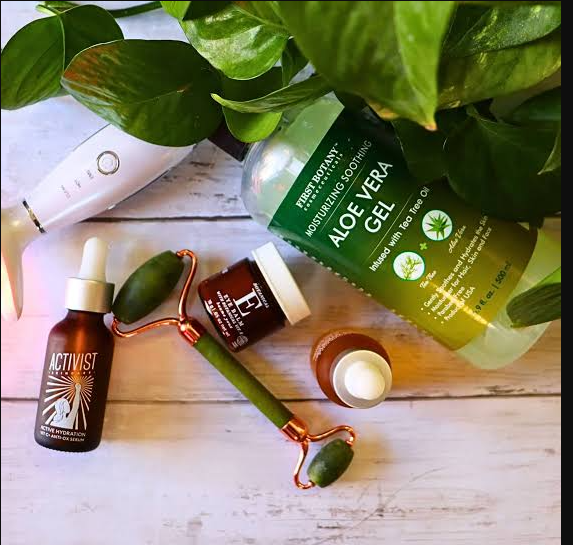
Aging is a natural part of life, and changes such as fine lines, uneven skin tone, dryness, and loss of firmness are normal. However, a consistent skincare routine can help protect your skin and reduce the appearance of some signs of premature aging.
The best anti-aging skincare products do not have to be the most expensive products on the market. Dermatologists generally emphasize two essentials: daily sunscreen and moisturizer. After these basics are established, targeted ingredients such as retinoids and vitamin C can be considered based on individual concerns.
The goal of anti-aging skincare should be healthy, protected, well-hydrated skin rather than trying to completely stop the natural aging process.
1. Broad-Spectrum Sunscreen
Sunscreen is arguably the most important anti-aging skincare product you can use.
Daily exposure to ultraviolet radiation contributes significantly to premature skin aging, including wrinkles, uneven pigmentation, and loss of skin elasticity. Dermatologists recommend choosing a broad-spectrum sunscreen with SPF 30 or higher. Water-resistant formulas can be especially useful when spending extended periods outdoors.
Apply sunscreen every morning to exposed skin. If you are outdoors for an extended period, reapplication is important.
If traditional sunscreen feels heavy or greasy, look for a lightweight, gel, fluid, or moisturizing formula that suits your skin type.
2. Hydrating Moisturizer
Moisturizer is another essential anti-aging product.
As skin ages, it may become drier, and dehydration can make fine lines appear more noticeable. Moisturizers help trap water in the skin, creating a smoother and more hydrated appearance.
Look for ingredients such as:
- Ceramides
- Hyaluronic acid
- Glycerin
- Squalane
- Peptides
Choose a moisturizer according to your skin type. A lightweight lotion or gel may suit oily skin, while a richer cream may be more comfortable for dry skin.
3. Retinol or Retinoid Products
Retinoids are among the most widely recognized active ingredients for addressing signs of skin aging.
Retinoids are vitamin A derivatives that can improve skin texture, uneven pigmentation, and the appearance of fine lines and wrinkles. Retinol is a type of retinoid commonly available in over-the-counter skincare products.
If you are new to retinol, start slowly. Using it every other night initially can help your skin adjust and may reduce irritation.
Retinoids can cause dryness and irritation, particularly when first introduced. They also increase sensitivity to sunlight, making daytime sun protection especially important.
People who are pregnant should avoid retinoids and discuss suitable skincare alternatives with a healthcare professional.
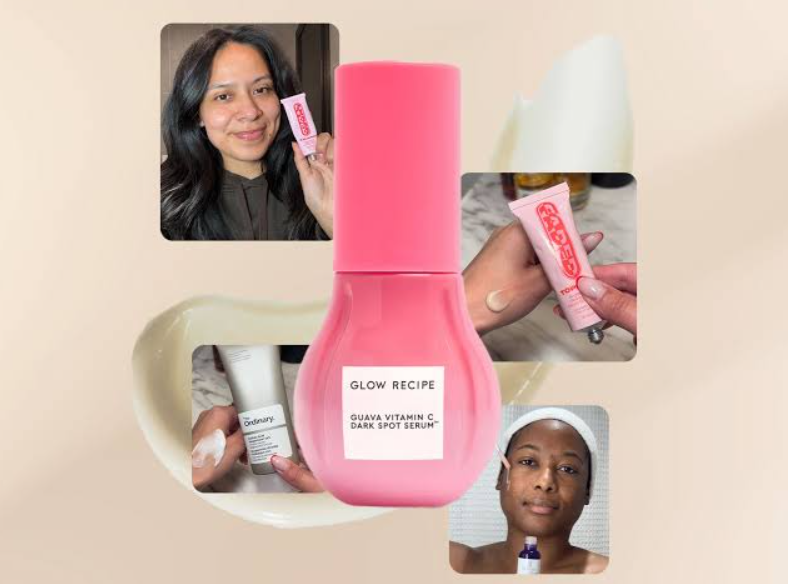
4. Vitamin C Serum
Vitamin C is another popular ingredient for an anti-aging skincare routine.
It is commonly used to improve the appearance of uneven skin tone and dark spots and can provide antioxidant benefits. Dermatologists recognize vitamin C as a science-backed skincare ingredient for addressing certain signs of skin aging.
A vitamin C serum is typically used in the morning after cleansing and before moisturizer and sunscreen.
Because vitamin C formulas vary significantly, beginners should start with a product that is comfortable for their skin rather than immediately choosing the strongest formulation available.
5. Peptide Moisturizers and Serums
Peptides are short chains of amino acids commonly included in skincare products marketed for firmness and visible signs of aging.
Peptide-containing moisturizers and serums can be an option for people who want to add a targeted product without using stronger exfoliating ingredients.
However, no single ingredient can address every sign of aging. It is usually better to identify your main concern and select a product accordingly rather than layering numerous anti-aging products.
6. Hyaluronic Acid Serum
Hyaluronic acid is a hydrating ingredient found in many anti-aging skincare products.
It can help attract moisture to the skin and may temporarily make fine lines appear less noticeable by improving hydration.
Hyaluronic acid is generally used as a hydrating step rather than as a replacement for sunscreen or a moisturizer.
If you already have a moisturizer that provides enough hydration, you may not need a separate hyaluronic acid serum.
7. Gentle Cleanser
A cleanser may not technically be an anti-aging treatment, but it is an important part of a healthy skincare routine.
Choose a gentle cleanser that removes dirt, oil, makeup, and sunscreen without excessively drying or irritating your skin.
Aggressive scrubbing can irritate the skin, and irritation may make signs of aging more noticeable. Dermatologists recommend gentle cleansing rather than harsh scrubbing.
For dry or sensitive skin, a fragrance-free hydrating cleanser may be particularly comfortable.
8. Eye Cream
Eye creams are popular in anti-aging skincare routines because the skin around the eyes can develop visible fine lines.
However, you do not necessarily need a separate eye cream. A gentle facial moisturizer may be suitable for the surrounding area as long as it is safe for use there.
If you choose an eye product, look for ingredients appropriate for your specific concern, such as hydration-focused ingredients for dryness or carefully formulated retinoids for certain signs of aging.
Avoid applying irritating products too close to the eyes.
9. Exfoliating Products
Chemical exfoliants such as alpha hydroxy acids can help improve the appearance of skin texture and uneven tone.
However, exfoliation should be approached carefully. Using too many active products can damage the skin barrier and lead to redness, dryness, and irritation.
If you already use a retinoid, introducing multiple exfoliating products at the same time may be particularly irritating.
A simple routine with fewer active ingredients is often easier to tolerate and maintain.
Best Anti-Aging Routine for Beginners
If you are new to anti-aging skincare, there is no need to buy ten different products.
Morning
- Gentle cleanser
- Vitamin C serum, if desired
- Moisturizer
- Broad-spectrum SPF 30 or higher sunscreen
Evening
- Gentle cleanser
- Retinol or another targeted treatment, if appropriate
- Moisturizer
Start with the basics and introduce only one new active product at a time. Using several anti-aging products simultaneously can increase the risk of irritation.
How to Choose Anti-Aging Products for Your Skin Type
Dry Skin
Choose richer moisturizers containing ingredients such as ceramides, glycerin, and hyaluronic acid. Avoid excessive exfoliation if your skin is already dry.
Oily Skin
Look for lightweight, non-comedogenic moisturizers and serums. Gel-based formulas may feel more comfortable.
Sensitive Skin
Keep your routine simple and consider fragrance-free products. Introduce active ingredients slowly and stop using products that cause persistent irritation.
Combination Skin
Use lightweight hydration throughout the face and adjust the amount of moisturizer according to different areas.
Common Anti-Aging Skincare Mistakes
One common mistake is expecting instant results. Most anti-aging products require consistent use over time. Dermatologists note that many products need at least several weeks to show noticeable results, and some may take several months.
Another mistake is using too many products. Combining numerous active ingredients can irritate your skin rather than improving it.
Skipping sunscreen is another major mistake. Even the most sophisticated nighttime routine cannot replace consistent protection from UV exposure.
Finally, avoid assuming that expensive products are automatically more effective. Effective anti-aging skincare is available across different price ranges.
Frequently Asked Questions
What are the best anti-aging skincare products?
The most important products are broad-spectrum SPF 30 or higher sunscreen and a good moisturizer. Depending on your concerns, retinol, vitamin C, peptides, or hydrating serums can be added.
What is the best anti-aging ingredient?
Retinoids are among the most established topical ingredients for improving the appearance of fine lines, wrinkles, uneven pigmentation, and skin texture.
At what age should I start using anti-aging skincare?
There is no single age when everyone needs an anti-aging routine. Daily sun protection and moisturizing are useful habits at any age. Targeted products can be introduced when specific concerns arise.
Is retinol good for wrinkles?
Retinol can help improve the appearance of fine lines and wrinkles over time. Start gradually because irritation is common when beginning retinoid products.
Is sunscreen really an anti-aging product?
Yes. Sun protection is one of the most important ways to reduce premature skin aging caused by UV exposure.
Can moisturizer reduce wrinkles?
Moisturizer can temporarily make fine lines appear less noticeable by increasing skin hydration. It is also an important part of maintaining a healthy skin barrier.
Can vitamin C help aging skin?
Vitamin C is commonly used to address dark spots and uneven skin tone and has antioxidant properties. It can be a useful addition to a morning skincare routine.
How long do anti-aging products take to work?
Results vary by product and individual. Some moisturizers can make skin appear more hydrated quickly, while many targeted anti-aging products require several weeks or longer of consistent use.
Can I use retinol and vitamin C together?
They can both be part of an overall skincare routine, but beginners may find it easier to use vitamin C in the morning and retinol at night. Introducing products gradually can reduce the chance of irritation.
Are expensive anti-aging products better?
Not necessarily. Price does not guarantee effectiveness. A reasonably priced product containing an appropriate, well-formulated active ingredient can be a better choice than an expensive product that does not suit your skin.
Final Thoughts
The best anti-aging skincare products are those that address your specific concerns without unnecessarily irritating your skin. Start with the essentials: daily sunscreen, moisturizer, and gentle cleansing.
If you want additional anti-aging benefits, consider gradually introducing proven ingredients such as retinol or vitamin C. Keep your routine consistent and give products enough time to work.
Healthy aging is not about eliminating every wrinkle. A better goal is to protect your skin, maintain hydration, improve its overall appearance, and embrace natural changes while caring for your skin properly.