
Clear skin is a common beauty goal, but achieving it does not require an expensive skincare collection or a complicated routine. The best beauty tips for clear skin focus on consistent skincare, healthy lifestyle habits, proper hygiene, and avoiding practices that can irritate or damage the skin.
Everyone’s skin is different. Genetics, hormones, age, environment, stress, and lifestyle can all influence the appearance of your skin. While occasional blemishes are completely normal, a thoughtful skincare routine can help your complexion look smoother, healthier, and more balanced.
If you want clearer-looking skin, focus on simple habits that you can maintain every day.
1. Cleanse Your Face Gently
Cleansing is one of the most important steps in a clear-skin routine. It helps remove excess oil, sweat, dirt, makeup, and other buildup from the surface of your skin.
Choose a gentle cleanser that suits your skin type. If you have oily or combination skin, a lightweight gel or foaming cleanser may feel comfortable. Dry or sensitive skin may benefit from a creamy, hydrating cleanser.
Wash your face gently rather than scrubbing aggressively. Excessive rubbing can irritate your skin and make redness more noticeable.
For most people, cleansing in the morning and evening is sufficient. If your skin feels tight or uncomfortable after cleansing, your cleanser may be too harsh.
2. Never Sleep With Makeup On
One of the simplest beauty tips for clear skin is to remove makeup before going to bed.
Leaving makeup, sunscreen, oil, and environmental buildup on your face overnight can contribute to clogged pores and irritation.
Use a gentle makeup remover or cleansing product to remove makeup thoroughly. Pay special attention to areas where foundation, concealer, and eye makeup tend to accumulate.
After removing makeup, cleanse your face and follow with moisturizer.
3. Keep Your Skin Hydrated
Clear skin still needs moisture.
Some people with acne-prone or oily skin avoid moisturizer because they are concerned about becoming greasy. However, skipping moisturizer can leave the skin feeling dry and uncomfortable.
Choose a lightweight, non-comedogenic moisturizer if you have oily or acne-prone skin. Dry skin may benefit from a richer cream.
Ingredients such as glycerin, hyaluronic acid, and ceramides can provide useful hydration while supporting the skin barrier.
4. Use Sunscreen Every Day
Sun protection is essential for maintaining healthy-looking skin.
Regular exposure to ultraviolet radiation can contribute to premature aging, uneven pigmentation, and other types of skin damage. Use a broad-spectrum sunscreen with SPF 30 or higher as part of your morning routine.
If you have acne or oily skin, look for a lightweight, non-comedogenic sunscreen that feels comfortable on your face.
Remember that sunscreen is useful even when your main skincare goal is clear skin. Protecting your skin can also help prevent dark marks from becoming more noticeable after blemishes heal.
5. Avoid Touching Your Face
Your hands come into contact with countless surfaces throughout the day. Frequently touching your face can transfer oils, dirt, and other substances to your skin.
Try to avoid unnecessarily touching, rubbing, or scratching your face.
Most importantly, resist the temptation to pick or squeeze pimples. Popping blemishes can increase irritation and may contribute to lingering marks or scarring.
Allow blemishes to heal rather than repeatedly disturbing them.
6. Choose Non-Comedogenic Products
If you are prone to clogged pores, look for skincare and makeup products labeled non-comedogenic.
These products are formulated to be less likely to clog pores, although individual reactions can still vary.
When introducing a new skincare product, add it gradually rather than changing your entire routine at once. This makes it easier to determine what works well for your skin.
7. Change Pillowcases Regularly
Your pillowcase comes into contact with your face for hours at a time.
Oil, sweat, hair products, and skincare residue can accumulate on fabric. Changing pillowcases regularly can be a simple hygiene habit, particularly if you have oily or acne-prone skin.
You should also wash towels regularly and avoid sharing personal face towels.
These habits will not eliminate acne by themselves, but they can support good overall hygiene.
8. Keep Makeup Brushes Clean
Dirty makeup brushes can accumulate oil, old makeup, and other debris.
If you use foundation, concealer, blush, or other complexion products regularly, clean your brushes and reusable makeup tools according to their recommended care instructions.
Avoid sharing makeup brushes or products that come into direct contact with your face.
Keeping beauty tools clean is a simple habit that can help make your makeup routine more hygienic.
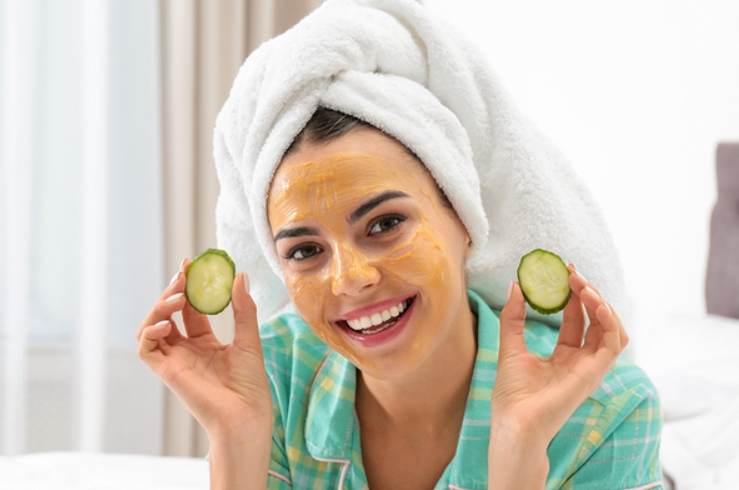
9. Avoid Harsh DIY Skin Treatments
The internet is full of homemade beauty remedies, but not every natural ingredient is suitable for facial skin.
Avoid applying harsh ingredients such as lemon juice or baking soda directly to your face. Rough scrubs can also irritate the skin.
“Natural” does not automatically mean gentle or safe.
Instead, choose skincare products formulated specifically for facial use. If you want to introduce an active ingredient, start with one product and follow its instructions carefully.
10. Exfoliate Carefully
Exfoliation can help remove dead skin cells and improve the appearance of skin texture, but excessive exfoliation can cause dryness and irritation.
If you choose to exfoliate, select a product appropriate for your skin type and use it according to the instructions.
People with sensitive or acne-prone skin should be particularly careful with aggressive scrubbing.
More exfoliation does not necessarily mean clearer skin. A healthy skin barrier is just as important as removing dead skin cells.
11. Eat a Balanced Diet
Your overall health can influence how you look and feel, and nutrition is an important part of a healthy lifestyle.
Aim for a balanced diet containing vegetables, fruits, whole grains, protein, and healthy fats.
Rather than relying on one “clear skin food,” focus on variety and consistency.
Avoid extreme diets or unnecessary food restrictions simply because a beauty trend claims that a particular food causes or cures acne.
If you notice that certain foods consistently seem to affect your skin, discuss your concerns with a qualified healthcare professional rather than making major dietary changes on your own.
12. Get Enough Sleep
Sleep is an important part of overall health and well-being.
A consistent sleep schedule can help you feel more rested and energetic. Poor sleep may also make you look tired and can affect your overall sense of wellness.
Try to establish regular sleeping and waking times and create a relaxing nighttime routine.
Good sleep will not instantly clear acne, but it is a valuable part of a healthy lifestyle.
13. Manage Stress
Stress can affect different people in different ways, and some people notice changes in their skin during stressful periods.
Make time for activities that help you relax. Walking, exercise, meditation, reading, hobbies, music, or spending time with friends and family can all be useful.
You do not need a complicated wellness routine. Find activities that fit your lifestyle and make them part of your regular schedule.
14. Stay Consistent With Your Routine
One of the biggest mistakes people make when trying to get clear skin is changing products too frequently.
Trying a new cleanser, serum, mask, scrub, and treatment every few days can irritate your skin and make it difficult to determine what is actually helping.
Instead, keep your routine simple:
Morning: Cleanser → Moisturizer → Sunscreen
Evening: Makeup removal if needed → Cleanser → Treatment if appropriate → Moisturizer
You can add targeted products based on your specific skin concerns, but introduce them gradually.
15. Know When to Seek Professional Help
Occasional pimples are normal, but persistent or severe acne may require professional treatment.
Consider consulting a dermatologist if you experience painful acne, frequent breakouts, significant scarring, persistent redness, or acne that does not improve with basic skincare.
A professional can help identify possible causes and recommend treatments suited to your skin.
Avoid trying to treat severe acne with increasingly harsh DIY remedies. Stronger does not always mean better.
Frequently Asked Questions
What are the best beauty tips for clear skin?
The most useful habits include gentle cleansing, daily sunscreen, regular moisturizing, avoiding face picking, keeping makeup tools clean, getting enough sleep, managing stress, and maintaining a balanced lifestyle.
How can I get clear skin naturally?
Focus on gentle skincare, good hygiene, adequate sleep, balanced nutrition, regular physical activity, and sun protection. Avoid harsh homemade treatments that may irritate your skin.
How often should I wash my face?
For many people, cleansing twice daily is enough. You may also want to cleanse after heavy sweating. Avoid repeatedly washing your face if it causes dryness or irritation.
Does drinking water clear skin?
Adequate hydration supports overall health, but drinking excessive amounts of water is not a guaranteed treatment for acne. Clearer skin usually requires a combination of appropriate skincare and healthy habits.
Should I moisturize acne-prone skin?
Yes. Acne-prone skin still needs hydration. Choose a lightweight, non-comedogenic moisturizer that feels comfortable on your skin.
Is sunscreen important for clear skin?
Yes. Sunscreen helps protect against UV damage and can help prevent dark marks from becoming more noticeable after blemishes. Choose a broad-spectrum SPF 30 or higher.
Can I pop pimples?
It is generally better to avoid popping or squeezing pimples. Manipulating blemishes can increase irritation and may contribute to marks or scarring.
How can I prevent clogged pores?
Use a gentle cleanser, choose non-comedogenic products, remove makeup before bed, avoid excessive product buildup, and keep makeup brushes clean.
Are natural face masks good for clear skin?
Some ingredients may be suitable for certain people, but homemade masks can also cause irritation or allergic reactions. Avoid harsh ingredients and patch-test unfamiliar topical products.
How long does it take to get clearer skin?
Results vary depending on the cause and severity of your skin concerns. Consistency is important, and many skincare treatments require time before noticeable changes occur.
When should I see a dermatologist?
Consider seeing a dermatologist if acne is severe, painful, persistent, scarring, or significantly affecting your confidence. Professional treatment can be more effective than continually experimenting with home remedies.
Final Thoughts
The best beauty tips for clear skin are not about finding a miracle product. They are about creating simple habits that support your skin every day.
Cleanse gently, moisturize regularly, wear sunscreen, remove makeup before bed, keep your beauty tools clean, avoid picking blemishes, and be careful with harsh DIY treatments. A balanced diet, sufficient sleep, stress management, and regular activity can also support your overall well-being.
Most importantly, remember that clear skin does not mean perfectly poreless skin. Occasional blemishes, pores, texture, and natural variations are completely normal. Focus on keeping your skin healthy, comfortable, and well cared for rather than chasing unrealistic perfection.