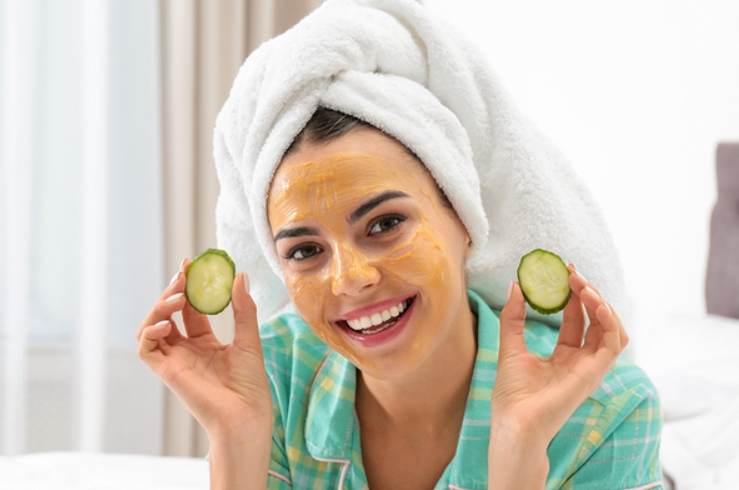
Glowing skin is a popular beauty goal, but achieving a fresh and radiant complexion does not always require an elaborate skincare routine. The best face masks for glowing skin can provide extra hydration, help improve the appearance of dull skin, and leave your face feeling soft and refreshed.
Face masks are best viewed as an addition to a consistent skincare routine rather than a replacement for daily cleansing, moisturizing, and sun protection. Choosing a mask based on your skin type and specific concerns can help you get better results while reducing the risk of irritation.
Whether your skin is dry, oily, combination, or sensitive, there is a face mask option that may fit your routine.
1. Hydrating Face Mask
A hydrating face mask is an excellent choice if your skin looks dull or feels dry and tight.
Look for masks containing ingredients such as hyaluronic acid, glycerin, aloe vera, or other moisturizing ingredients. These formulas can help increase the skin’s moisture content and create a smoother, fresher appearance.
Hydrating masks are particularly useful after exposure to dry weather or when your skin feels uncomfortable.
After using a hydrating mask, follow with a moisturizer to help maintain the skin’s moisture.
2. Aloe Vera Face Mask
Aloe vera is a popular ingredient in skincare products because of its soothing and hydrating properties.
An aloe-based face mask can be a good option for people who want a refreshing treatment without using heavy ingredients.
Choose a commercially formulated aloe mask when possible rather than experimenting with homemade mixtures containing numerous ingredients.
If you have sensitive skin, patch-test the product before applying it to your entire face.
3. Oatmeal Face Mask
Oatmeal is commonly used in skincare products designed for dry or sensitive skin.
An oatmeal-based mask can help the skin feel soothed and moisturized. Colloidal oatmeal is particularly useful in products formulated for sensitive skin.
Avoid aggressively rubbing the mask into your skin. A face mask should be gentle rather than abrasive.
After rinsing, apply a moisturizer to keep your skin comfortable.
4. Clay Face Mask
Clay masks are especially popular among people with oily or combination skin.
Clay can absorb excess oil and leave the skin feeling cleaner and less shiny. Ingredients such as kaolin or bentonite are commonly found in clay masks.
However, clay masks can become drying if used too frequently or left on for too long.
If your skin feels tight or uncomfortable after using a clay mask, reduce how often you use it or choose a gentler formula.
5. Honey-Based Face Mask
Honey is a popular ingredient in beauty treatments because it has moisturizing properties and is commonly used in skincare formulations.
A properly formulated honey-based mask can provide a soft, hydrated feeling.
However, natural ingredients can still cause allergic reactions or irritation. If you have sensitive skin, test the product on a small area before applying it to your face.
Avoid adding potentially irritating ingredients such as lemon juice or baking soda to homemade masks.
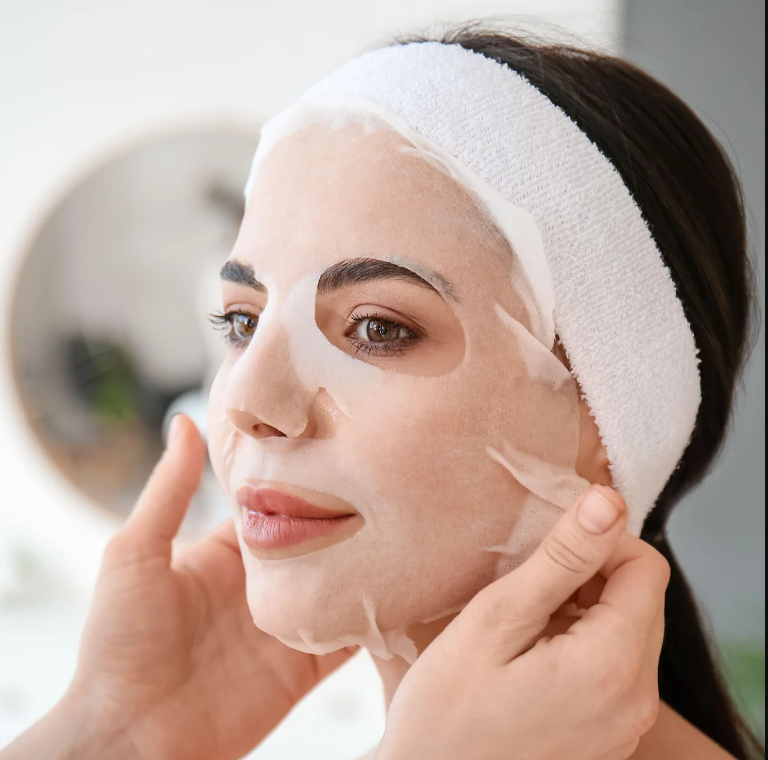
6. Sheet Masks
Sheet masks are convenient and easy to use, making them popular for quick skincare treatments.
They are available in many formulas, including hydrating, soothing, brightening, and moisturizing options.
For glowing skin, choose a sheet mask designed primarily for hydration rather than one containing a large number of strong active ingredients.
Follow the instructions on the package and do not leave the mask on significantly longer than recommended.
After removing the mask, gently massage any remaining serum into your skin and apply moisturizer if needed.
7. Vitamin C Face Mask
Vitamin C is widely used in skincare products designed to improve the appearance of uneven skin tone and dullness.
A vitamin C face mask may provide a temporary brightening effect, depending on its formulation.
If you already use vitamin C serum or another active product, avoid overloading your routine with multiple strong treatments.
Introduce one new product at a time so you can see how your skin responds.
8. Yogurt-Based Face Mask
Yogurt contains lactic acid, which is an alpha hydroxy acid that can provide gentle exfoliating effects.
Some skincare products use lactic acid to help improve the appearance of skin texture and dullness.
However, homemade yogurt masks are not standardized and may not be appropriate for everyone. If you want the benefits of lactic acid, a properly formulated skincare product may provide more predictable results.
People with sensitive skin should be especially cautious with exfoliating treatments.
9. Avocado Face Mask
Avocado is commonly associated with moisturizing DIY beauty treatments because it contains fats and other nutrients.
However, applying food directly to the face does not necessarily provide the same benefits as a cosmetic formulation designed for topical use.
If you enjoy avocado-based skincare, consider a professionally formulated mask containing moisturizing ingredients rather than relying on homemade mixtures.
10. Charcoal Face Mask
Charcoal masks are often marketed for oily or congested skin.
They may help absorb excess oil and leave the skin feeling clean. However, charcoal is not a magical detox treatment, and it does not remove toxins from the body.
Some charcoal masks can also be drying, especially for people with dry or sensitive skin.
Choose a gentle formula and avoid using it excessively.
Best Face Masks for Different Skin Types
Choosing a mask according to your skin type can make your skincare routine more comfortable.
Dry Skin
Choose hydrating masks containing ingredients such as hyaluronic acid, glycerin, aloe vera, or ceramides.
Avoid frequent use of strong clay or charcoal masks.
Oily Skin
Clay masks can help absorb excess oil. Look for formulas that do not leave your skin excessively dry.
Hydrating masks can still be useful because oily skin needs moisture too.
Combination Skin
You can use different masks on different areas of your face. For example, a clay mask may work well on an oily T-zone, while a hydrating mask may be better for drier cheeks.
Sensitive Skin
Choose fragrance-free, gentle, hydrating masks whenever possible. Avoid aggressive exfoliating ingredients and harsh physical scrubs.
Always patch-test unfamiliar products.
How Often Should You Use a Face Mask?
There is no universal rule for how often you should use a face mask.
Hydrating masks may be suitable more frequently, depending on the product instructions and your skin’s needs. Clay and exfoliating masks may need to be used less often.
Start with once a week and adjust according to how your skin responds.
If you experience burning, persistent redness, itching, swelling, or significant dryness, stop using the mask.
How to Apply a Face Mask Correctly
Follow these simple steps:
- Cleanse your face gently.
- Apply the mask according to its instructions.
- Avoid the eye and lip areas unless the product specifically states that it is safe there.
- Leave it on for the recommended amount of time.
- Rinse gently if it is a rinse-off mask.
- Apply moisturizer afterward.
- Use sunscreen during the day.
Do not scrub your face aggressively while removing a mask.
Common Face Mask Mistakes
One common mistake is leaving a mask on for too long. Longer application does not necessarily produce better results.
Another mistake is using several masks or active treatments on the same day.
People with oily skin may also make the mistake of using clay masks too frequently, which can lead to dryness and irritation.
Finally, avoid assuming that homemade masks are automatically safer. Ingredients found in the kitchen can still cause irritation or allergic reactions.
Frequently Asked Questions
What are the best face masks for glowing skin?
Hydrating, soothing, and gently brightening masks are generally good choices for creating a fresh-looking complexion. Look for ingredients such as hyaluronic acid, glycerin, aloe vera, or carefully formulated vitamin C.
How often should I use a face mask?
For many people, once or twice a week is a reasonable starting point. Follow the product instructions and adjust according to your skin’s response.
Which face mask is best for dry skin?
Hydrating masks containing ingredients such as hyaluronic acid, glycerin, aloe vera, or ceramides can be suitable for dry skin.
Which face mask is best for oily skin?
Clay masks can help absorb excess oil. However, oily skin still needs hydration, so avoid using overly drying masks too frequently.
Can face masks make your skin glow instantly?
A hydrating mask can temporarily make skin look fresher and more plump by increasing moisture. However, lasting skin improvements depend on consistent skincare and healthy habits.
Are homemade face masks safe?
Not always. Natural ingredients can cause irritation or allergic reactions, and some popular DIY ingredients can be particularly harsh on facial skin.
Is aloe vera good for glowing skin?
Aloe-based skincare products can provide hydration and a soothing feeling for some people. Choose a product formulated for facial use and patch-test it if you have sensitive skin.
Can I use a face mask every day?
Most masks do not need to be used daily. Frequent use of clay or exfoliating masks may cause dryness and irritation.
Should I moisturize after using a face mask?
Yes. Applying moisturizer after cleansing off a mask can help maintain hydration and support the skin barrier.
Can face masks remove acne?
Face masks may help with specific concerns such as excess oil, but they are not a universal treatment for acne. Persistent or severe acne may require professional treatment.
What should I avoid in a face mask?
Avoid ingredients that irritate your skin, especially harsh acids, abrasive particles, and undiluted essential oils. Be cautious with DIY recipes containing lemon juice or baking soda.
Final Thoughts
The best face masks for glowing skin are those that match your skin type and address your specific needs. Hydrating masks can help dry skin look fresher, clay masks can help absorb excess oil, and soothing formulas can be useful for sensitive skin.
However, a face mask should complement—not replace—a good daily skincare routine. Gentle cleansing, regular moisturizing, and daily sunscreen remain essential for maintaining healthy-looking skin.
Choose products carefully, use masks in moderation, and pay attention to how your skin responds. With consistent care, a simple face-mask routine can be a relaxing addition to your beauty routine while helping your skin look soft, hydrated, and refreshed.