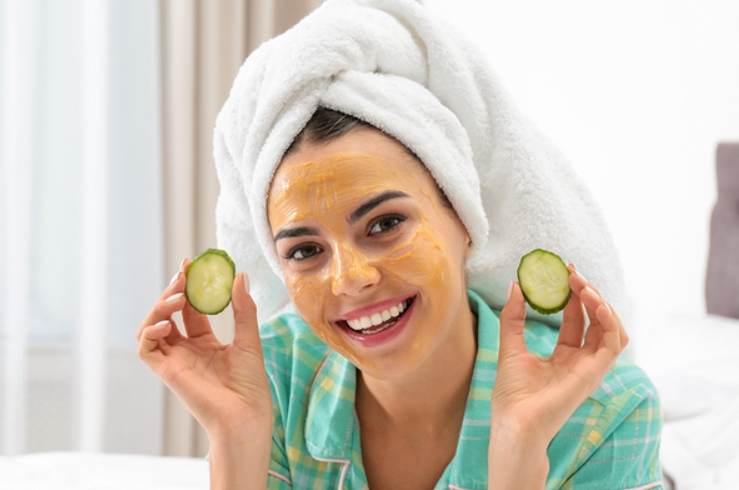

Natural skincare has become increasingly popular among people looking for gentle, nourishing ways to care for their skin. From soothing aloe vera to moisturizing jojoba oil, many plant-based and naturally derived ingredients can support hydration, comfort, and a healthy-looking complexion. However, “natural” does not automatically mean that an ingredient is suitable for everyone. Choosing ingredients according to your skin type and introducing them gradually is important.
If you want to build a simple natural skincare routine, here are some of the best natural ingredients for skincare and how they may benefit your skin.
1. Aloe Vera
Aloe vera is one of the most popular natural skincare ingredients because of its lightweight, soothing properties. Aloe vera gel can help provide moisture without feeling excessively heavy on the skin.
It is particularly popular for skin that feels dry, uncomfortable, or irritated. Look for skincare products containing a high percentage of aloe vera and minimal unnecessary fragrance if your skin is sensitive.
Best for: Sensitive, dry, combination, and oily skin.
2. Jojoba Oil
Jojoba oil is a versatile natural ingredient that works well as an emollient. Its lightweight texture makes it a popular choice for facial moisturizers and facial oils.
A few drops can be applied over a moisturizer to help reduce moisture loss and leave the skin feeling soft. Because everyone’s skin reacts differently to oils, people with acne-prone skin should introduce jojoba oil carefully.
Best for: Dry, normal, and combination skin.
3. Colloidal Oatmeal
Colloidal oatmeal is made from finely ground oats and is widely used in skincare designed for dry or sensitive skin. It can help soothe the feeling of dryness while supporting the skin’s protective barrier.
Unlike rough oatmeal particles, colloidal oatmeal is formulated to be fine enough for topical skincare. It can be found in cleansers, creams, lotions, and masks.
Best for: Dry and sensitive skin.
4. Shea Butter
Shea butter is a rich plant-based ingredient obtained from the nuts of the shea tree. It is an excellent option for people who want a richer moisturizer, particularly during dry weather.
It can help soften rough areas such as elbows, knees, hands, and dry facial patches. Because it is rich and occlusive, people with oily or acne-prone skin may prefer lighter moisturizers for the face.
Best for: Very dry skin and dry body areas.
5. Green Tea
Green tea is rich in naturally occurring antioxidants, making green tea extract a popular ingredient in modern skincare. Antioxidants can help protect skin from environmental stressors.
Green tea products are particularly appealing for people who want lightweight skincare for oily or combination skin. Instead of applying homemade tea directly to your face, a properly formulated skincare product containing green tea extract can be a more convenient option.
Best for: Oily, combination, and environmentally stressed skin.
6. Honey
Honey is a natural humectant, meaning it can help attract and retain moisture. It is also known for its soothing and antimicrobial properties, making honey a popular ingredient in masks and other skincare products.
Mānuka honey is especially popular in skincare. However, honey can cause irritation or allergic reactions in some individuals, so patch testing is recommended before facial use.
Best for: Dry and normal skin.
7. Rosehip Oil
Rosehip oil is a plant oil rich in fatty acids and naturally occurring compounds that make it a popular addition to facial oils and moisturizers. It can help soften the skin and provide nourishing moisture.
It is particularly popular among people interested in improving the appearance of dull or uneven-looking skin. Use a small amount because applying too much facial oil can leave the skin greasy.
Best for: Dry, normal, and mature-looking skin.
8. Chamomile
Chamomile has a long history of use in soothing personal-care products. Its botanical extracts are commonly included in creams, cleansers, and products designed for sensitive skin.
If you have easily irritated skin, choose fragrance-free products with carefully formulated chamomile extract rather than applying concentrated essential oils directly to your face.
Best for: Sensitive and dry skin.
9. Tea Tree Oil
Tea tree oil is a well-known botanical ingredient often associated with skincare for blemish-prone skin. Some formulations use diluted tea tree oil to help support the appearance of clearer skin.
However, concentrated tea tree oil can cause irritation or allergic contact dermatitis. It should not be applied undiluted to the face. A professionally formulated product with an appropriate concentration is generally a safer approach.
Best for: Oily and blemish-prone skin.
10. Turmeric
Turmeric contains naturally occurring compounds with antioxidant and soothing properties. It has been used traditionally in beauty practices and is now found in masks, cleansers, and other skincare products.
Turmeric can temporarily stain the skin yellow, and concentrated preparations may cause irritation. For facial use, consider a properly formulated skincare product rather than experimenting with highly concentrated homemade mixtures.
Best for: Dull-looking skin and people interested in antioxidant-rich skincare.
How to Choose the Best Natural Ingredients for Your Skin Type
The best natural skincare ingredient depends on your individual skin needs.
For dry skin, consider ingredients such as shea butter, jojoba oil, honey, aloe vera, and colloidal oatmeal.
For oily skin, lightweight ingredients such as aloe vera and green tea may be preferable. Avoid automatically assuming that every natural oil will suit oily or acne-prone skin.
For sensitive skin, simplicity is usually better. Colloidal oatmeal and aloe vera are popular choices, while heavily fragranced essential oils may be more likely to cause irritation.
For combination skin, you can use lightweight hydration across the face and richer products only where your skin feels dry.
How to Use Natural Skincare Ingredients Safely
Natural ingredients can be beneficial, but they are not automatically risk-free. Always patch test a new product before applying it extensively to your face. Introduce one new ingredient at a time so that you can identify what works for your skin.
Avoid putting harsh household ingredients such as lemon juice or baking soda directly on your face. They can disrupt the skin barrier and cause irritation.
Most importantly, natural skincare should complement—not replace—basic skincare habits. Gentle cleansing, regular moisturizing, and daily sun protection remain important parts of a healthy skincare routine.
Frequently Asked Questions
What is the best natural ingredient for glowing skin?
There is no single best ingredient for everyone. Aloe vera, green tea, rosehip oil, honey, and turmeric are popular choices depending on your skin type and skincare goals.
Which natural ingredient is best for dry skin?
Shea butter, jojoba oil, honey, and colloidal oatmeal are excellent options for dry skin because they can help soften and moisturize the skin.
Is aloe vera good for sensitive skin?
Aloe vera is commonly used in soothing skincare products and may be suitable for sensitive skin. However, check the product’s complete ingredient list and patch test before regular use.
Is jojoba oil good for the face?
Jojoba oil can provide lightweight moisture and is used in many facial skincare products. Start with a small amount and discontinue use if you experience irritation or breakouts.
Can natural ingredients remove acne?
Natural ingredients may support the appearance of blemish-prone skin, but they are not guaranteed to treat acne. Persistent, painful, or severe acne may require professional dermatological care.
Is honey good for skincare?
Honey can help attract moisture and is commonly used in moisturizing and soothing skincare products. However, people with allergies should be cautious and patch test new products.
Are natural skincare ingredients safe for everyone?
No. Natural ingredients can still cause irritation, allergies, or sensitivity. Essential oils and highly concentrated botanical extracts deserve particular caution.
How often should I use natural skincare products?
This depends on the ingredient and product formulation. Gentle moisturizers may be appropriate daily, while exfoliating or active products may need less frequent use. Follow the product instructions and adjust according to your skin’s response.
Final Thoughts
The best natural ingredients for skincare are not necessarily the most expensive or trendy ones. Aloe vera, jojoba oil, colloidal oatmeal, shea butter, green tea, honey, rosehip oil, chamomile, tea tree oil, and turmeric each offer different potential benefits.
The key is to choose ingredients that match your skin type, introduce products slowly, and avoid assuming that natural means irritation-free. With a simple and consistent routine, natural skincare ingredients can be a useful part of maintaining soft, hydrated, and healthy-looking skin.