
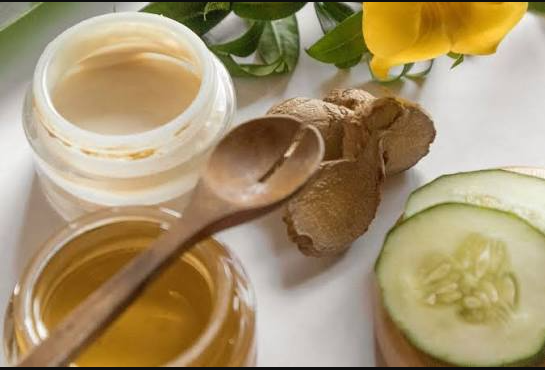
Dry skin can feel tight, rough, flaky, or uncomfortable. Changes in weather, frequent bathing, harsh cleansers, low humidity, and certain skincare products can all contribute to dryness. Fortunately, several simple home remedies for dry skin can help support moisture and make the skin feel softer and more comfortable.
The key is to avoid harsh DIY treatments and focus on gentle ingredients that support the skin barrier. Natural does not always mean safe, so every home remedy should be used carefully, especially if you have sensitive skin.
1. Use a Gentle Moisturizer
One of the simplest and most effective home treatments for dry skin is regular moisturizing.
After washing your face or taking a bath, apply a gentle moisturizer while your skin is still slightly damp. This can help trap moisture and reduce the feeling of tightness.
Look for products containing ingredients such as glycerin, ceramides, hyaluronic acid, shea butter, or petrolatum.
For very dry skin, a cream or ointment may work better than a lightweight lotion.
2. Try Oatmeal for Dry, Irritated Skin
Oatmeal has long been used in skincare products designed for dry and sensitive skin. Colloidal oatmeal, which consists of finely ground oats prepared for topical use, can help soothe and moisturize uncomfortable skin.
For a simple bath treatment, use a properly prepared colloidal oatmeal product according to its instructions. Avoid using rough oatmeal particles as a facial scrub because physical scrubbing can irritate dry skin.
Best for: Dry, sensitive, and uncomfortable skin.
3. Apply Aloe Vera
Aloe vera is a popular natural ingredient known for its soothing and moisturizing properties. A simple, fragrance-free aloe vera gel may provide a cooling sensation and help dry skin feel more comfortable.
Choose a product with a simple ingredient list and avoid applying it to broken or severely irritated skin without appropriate guidance.
Always patch test a new product before using it regularly.
Best for: Mild dryness and skin that feels uncomfortable.
4. Use Coconut Oil Carefully
Coconut oil can act as an emollient and help soften dry skin. It can be particularly useful for dry areas of the body such as elbows, knees, and feet.
However, coconut oil may clog pores for some people when used on the face. If you have acne-prone skin, consider using a non-comedogenic moisturizer instead.
Apply a small amount to slightly damp skin and see how your skin responds.
Best for: Dry body skin.
5. Try Honey as a Moisturizing Treatment
Honey is a natural humectant, meaning it can help attract moisture. It is sometimes used in homemade skincare masks and is also included in professionally formulated skincare products.
If you want to try honey on your skin, use a small amount and patch test first. Avoid it if you have a known allergy to honey or bee-related products.
Do not apply honey to open wounds or severely irritated skin unless advised by a healthcare professional.
Best for: Normal to dry skin.
6. Use Shea Butter for Very Dry Areas
Shea butter is a rich plant-based ingredient that can help soften and moisturize dry skin.
It works particularly well on areas that tend to become rough, such as hands, heels, elbows, and knees. A small amount can be massaged into the skin after bathing.
Because shea butter is rich, it may feel too heavy for some people on the face.
Best for: Very dry body areas.
7. Take Short, Lukewarm Showers
Your bathing habits can have a major effect on dry skin. Long, hot showers may remove some of the skin’s natural oils and leave it feeling even drier.
Instead, take shorter showers or baths using lukewarm water. Avoid excessively hot water, especially if your skin already feels tight or irritated.
After bathing, gently pat your skin dry rather than rubbing it aggressively.
8. Avoid Harsh Soaps
Some traditional soaps and heavily fragranced body washes can be drying, particularly for sensitive skin.
Choose a gentle, fragrance-free cleanser or body wash. You do not necessarily need to use strong soap over your entire body every time you bathe.
Focus cleansing on areas that need it most and moisturize afterward.
9. Use a Humidifier
Dry indoor air can contribute to dry skin, especially during colder months when heating systems are frequently used.
A humidifier can add moisture to indoor air and may make the environment more comfortable for dry skin.
Keep the humidifier clean and follow the manufacturer’s cleaning instructions to reduce the risk of microbial growth.
10. Stay Hydrated and Eat a Balanced Diet
Drinking an appropriate amount of fluids supports overall health, but simply drinking extra water will not automatically cure dry skin.
A balanced diet containing fruits, vegetables, healthy fats, protein, and whole grains supports overall skin health.
Foods containing healthy fats, such as nuts, seeds, avocados, and oily fish, can be part of a balanced diet.
11. Use Petroleum Jelly on Very Dry Skin
Petroleum jelly is a highly effective occlusive ingredient that helps reduce water loss from the skin.
Apply a thin layer over moisturizer to particularly dry areas such as the lips, hands, heels, or elbows. It can be especially useful at night.
For acne-prone facial skin, consider whether the texture feels suitable for you and use it selectively if needed.
12. Try a Gentle Facial Oil
Some facial oils can help soften dry skin by providing emollient moisture. Jojoba oil and squalane are popular options.
Use only a few drops and apply them after a moisturizer if you need an additional layer of moisture.
Avoid assuming that every natural oil is suitable for facial skin. Patch test new products and stop using them if irritation or breakouts develop.
13. Protect Your Skin From Cold Weather
Cold temperatures and dry winds can remove moisture from the skin. During winter, protect exposed areas with gloves, scarves, and appropriate clothing.
Switching to a richer moisturizer during colder months may also help maintain comfortable skin.
Remember to continue using sunscreen during the daytime, even during cooler weather.
14. Don’t Over-Exfoliate Dry Skin
Exfoliating may make rough skin feel temporarily smoother, but excessive exfoliation can damage the skin barrier and worsen dryness.
Avoid aggressive scrubs, rough brushes, and frequent use of strong exfoliating acids if your skin is already very dry.
Once your skin feels comfortable and hydrated, gentle exfoliation may be considered if appropriate for your skin type.
15. Moisturize Your Hands Regularly
Hands are frequently exposed to water, soap, cleaning products, and environmental conditions, making them especially vulnerable to dryness.
Apply hand cream after washing your hands and before bed. For very dry hands, apply a thicker cream followed by a thin layer of petroleum jelly.
Wearing cotton gloves overnight can help keep the moisturizer in place.
Home Remedies to Avoid for Dry Skin
Not every popular DIY skincare remedy is safe.
Avoid applying lemon juice, baking soda, undiluted vinegar, toothpaste, or concentrated essential oils to dry skin. These ingredients can irritate the skin and potentially damage its protective barrier.
Avoid using sugar or salt as aggressive facial scrubs. Dry skin usually benefits from gentle care rather than harsh physical exfoliation.
If a home remedy causes burning, itching, redness, or swelling, wash it off and discontinue use.
Simple Daily Routine for Dry Skin
A simple routine can often be more beneficial than using numerous products.
Morning
Start with a gentle cleanser if needed. Apply moisturizer to slightly damp skin and finish with broad-spectrum sunscreen.
Evening
Cleanse gently with lukewarm water. Apply a rich moisturizer while the skin is slightly damp. For particularly dry areas, add a thin layer of petroleum jelly or another suitable occlusive product.
Consistency is the most important part of the routine.
Frequently Asked Questions
What is the best home remedy for dry skin?
Regular moisturizing is one of the most effective approaches. Gentle products containing ingredients such as colloidal oatmeal, shea butter, glycerin, or petrolatum can help improve the feel and appearance of dry skin.
Is coconut oil good for dry skin?
Coconut oil can soften dry skin, particularly on the body. However, it may clog pores for some people when used on the face, so use it carefully if you are acne-prone.
Can honey help dry skin?
Honey has humectant properties and may help skin retain moisture. Patch test before using it, and avoid honey if you have a relevant allergy.
Is aloe vera good for dry skin?
Aloe vera can provide soothing hydration and may be comfortable for mild dryness. Choose a simple, fragrance-free product and patch test before regular use.
How often should I moisturize dry skin?
Many people with dry skin benefit from moisturizing at least twice a day and after bathing. You can apply moisturizer whenever your skin feels dry or tight.
Does drinking more water cure dry skin?
Proper hydration supports overall health, but drinking excessive amounts of water does not necessarily cure dry skin. External moisturization and gentle skincare are also important.
Are hot showers bad for dry skin?
Long, hot showers can remove natural oils and make dryness worse. Lukewarm water and shorter bathing sessions are generally gentler on dry skin.
Should I exfoliate dry skin?
Dry skin generally does not need aggressive exfoliation. Excessive scrubbing can damage the skin barrier and increase dryness. If you exfoliate, choose a gentle method appropriate for your skin.
What is best for extremely dry skin?
A rich cream or ointment containing ingredients such as ceramides, shea butter, glycerin, or petrolatum can be useful. If your skin remains severely dry despite consistent care, consider professional medical advice.
When should I see a doctor about dry skin?
Seek professional advice if dryness is severe, persistent, painful, cracked, bleeding, associated with significant itching or inflammation, or not improving with gentle skincare. An underlying skin condition may require specific treatment.
Final Thoughts
The best home remedies for dry skin focus on protecting and supporting the skin barrier rather than using harsh DIY ingredients. Gentle cleansing, regular moisturizing, lukewarm baths, colloidal oatmeal, aloe vera, shea butter, and appropriate occlusive products can all be useful depending on your skin type.
Avoid aggressive scrubbing and potentially irritating kitchen ingredients such as lemon juice and baking soda. Most importantly, be consistent with your routine and pay attention to how your skin responds.
If your dry skin is severe or does not improve with basic care, professional evaluation can help identify the underlying cause and the most appropriate treatment.