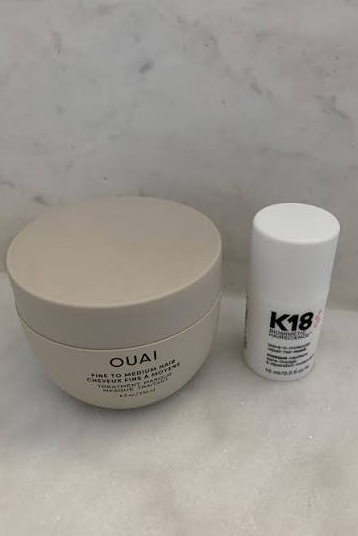
Damaged hair can look dry, dull, frizzy, and rough, while split ends and breakage can make it difficult to maintain a healthy-looking hairstyle. Heat styling, bleaching, coloring, chemical treatments, excessive brushing, and environmental exposure can all contribute to hair damage.
The best hair masks for damaged hair are designed to provide conditioning, improve softness, reduce the appearance of frizz, and make hair easier to manage. While a hair mask cannot permanently repair hair that has already broken or split, the right formula can temporarily improve the feel and appearance of damaged strands.
Whether your hair is dry, chemically treated, heat-damaged, curly, or prone to breakage, choosing a mask based on your hair’s needs can make your routine more effective.
Why Use a Hair Mask for Damaged Hair?
Hair masks are usually more concentrated than everyday conditioners. They can provide additional conditioning to hair that feels especially dry or rough.
Damaged hair often has a more porous and uneven surface, which can increase tangling and moisture loss. Conditioning ingredients can coat the hair fiber and improve smoothness.
The best results come from using a hair mask as part of a broader hair-care routine that includes gentle washing, regular conditioning, reduced heat exposure, and careful handling.
1. Coconut Oil Hair Mask
Coconut oil is a popular natural ingredient for hair care. It can help condition the hair and may be useful for reducing the dry, rough feeling associated with damaged strands.
For a simple treatment, apply a small amount to the lengths and ends of your hair. Leave it on according to your chosen product’s instructions and wash thoroughly afterward.
Because coconut oil can feel heavy, people with fine hair may need to use a smaller amount.
Best for: Dry, thick, coarse, and damaged hair.
2. Shea Butter Hair Mask
Shea butter is a rich conditioning ingredient that can help soften dry hair. It is particularly useful in masks designed for coarse or highly textured hair.
A shea butter-based mask can make strands feel smoother and easier to detangle. However, very fine hair may become weighed down by rich formulas.
Best for: Very dry, coarse, curly, and textured hair.
3. Avocado Hair Mask
Avocado contains fats and other nutrients and is a popular ingredient in DIY and commercial hair treatments.
A properly formulated avocado hair mask can provide conditioning and improve the softness of dry hair. If using a homemade preparation, rinse thoroughly to avoid leaving food particles or residue in your hair.
Best for: Dry and rough hair.
4. Aloe Vera Hair Mask
Aloe vera is commonly used in hair products because of its moisturizing and soothing properties. An aloe-based hair mask can help improve the feel of dry strands without necessarily being as heavy as an oil-based treatment.
Choose a hair product formulated for use on hair rather than applying products containing unnecessary fragrance or potentially irritating ingredients to the scalp.
Best for: Dry, frizzy, and normal-to-dry hair.
5. Honey Hair Mask
Honey is a natural humectant that can help attract moisture. It is commonly included in conditioning treatments for dry hair.
A professionally formulated honey hair mask may be more convenient than a homemade mixture because it provides a balanced formula designed for hair.
If you use a DIY mask, rinse thoroughly and avoid applying sticky ingredients directly to an irritated scalp.
Best for: Dry and dull-looking hair.
6. Protein Hair Mask
Protein treatments can temporarily improve the feel and strength of damaged hair by helping reinforce the hair fiber’s appearance and reduce roughness.
Ingredients such as hydrolyzed keratin, wheat protein, rice protein, or silk protein are commonly used in hair products.
Protein treatments are not suitable for everyone when used excessively. If your hair starts feeling unusually stiff or brittle, reduce the frequency and focus on moisturizing conditioning.
Best for: Chemically treated, bleached, and damaged hair.
7. Keratin Hair Mask
Keratin is a protein naturally associated with the structure of hair. Keratin-containing masks can help improve smoothness and manageability.
These products may be particularly useful for hair that has been exposed to repeated coloring or heat styling.
Remember that a keratin mask is a conditioning treatment, not a permanent repair for severely damaged hair.
Best for: Frizzy, chemically treated, and damaged hair.
8. Argan Oil Hair Mask
Argan oil is a popular hair-care ingredient because of its emollient properties. It can help make dry hair feel softer and smoother.
Argan oil masks are often lighter than some heavy butter-based treatments, making them a useful option for medium or thick hair.
Apply primarily to the lengths and ends if your scalp becomes oily easily.
Best for: Dry, frizzy, and dull hair.
9. Olive Oil Hair Mask
Olive oil can provide conditioning and softness to dry hair. It is especially popular in homemade hair treatments.
Because olive oil is relatively rich, use a small amount and wash thoroughly afterward. Fine hair may become greasy or weighed down if too much is applied.
Best for: Thick and very dry hair.
10. Deep Conditioning Mask
A commercial deep-conditioning mask can be one of the simplest choices for damaged hair. These products are formulated with a combination of conditioning agents, oils, butters, proteins, and other ingredients.
Look for a mask that matches your specific needs rather than choosing solely based on marketing claims.
Best for: Most types of dry and damaged hair.
Best Hair Mask Ingredients for Damaged Hair
When shopping for the best hair masks for damaged hair, consider the ingredients that match your hair’s needs.
Keratin and Hydrolyzed Proteins
Protein-based ingredients can temporarily improve the feel and strength of damaged strands.
Shea Butter
Shea butter provides rich conditioning and can help soften coarse hair.
Coconut Oil
Coconut oil can provide conditioning and is particularly popular for dry hair.
Argan Oil
Argan oil can help improve softness and smoothness without necessarily feeling as heavy as some richer oils.
Glycerin
Glycerin is a humectant that can help attract moisture and is commonly found in conditioning formulas.
Panthenol
Panthenol is frequently included in hair products to improve conditioning and the feel of the hair.
How Often Should You Use a Hair Mask?
The ideal frequency depends on your hair type, the mask’s formulation, and how damaged your hair is.
Many people can use a moisturizing mask once or twice a week. Protein treatments may need to be used less frequently.
Always follow the product’s directions. Using a very rich treatment too often can make some hair types feel heavy or coated.
How to Apply a Hair Mask Correctly
Start by shampooing your hair if the product instructions recommend applying the mask to clean hair.
Gently remove excess water before applying the mask. Work the product through the lengths and ends, concentrating on the areas that feel driest or most damaged.
Use your fingers or a wide-tooth comb to distribute the product gently. Leave it on for the recommended amount of time, then rinse thoroughly.
Avoid aggressive brushing while your hair is wet.
Hair Masks for Different Types of Damage
Heat-Damaged Hair
Choose moisturizing and conditioning masks and reduce the use of high-temperature styling tools.
Bleached or Chemically Treated Hair
A combination of moisturizing and protein-containing treatments may help improve the feel and manageability of chemically treated hair.
Dry and Brittle Hair
Look for rich conditioning ingredients such as shea butter, oils, and moisturizing agents.
Frizzy Hair
Choose masks designed to smooth and condition the hair fiber. Regular conditioning and reduced heat exposure can also help.
Curly Hair
Curly hair often benefits from rich conditioning treatments that improve softness and reduce tangling.
Common Hair Mask Mistakes
Applying Too Much Product
More product does not always mean better results. Excessive amounts can make hair greasy or difficult to rinse.
Using Protein Treatments Too Often
Protein can be useful for damaged hair, but excessive protein treatments may make some hair feel stiff or brittle.
Applying Heavy Masks to an Oily Scalp
Many masks are designed for the lengths and ends rather than the scalp. If your scalp becomes oily easily, keep rich products away from the roots.
Expecting Permanent Repair
Hair masks can improve the appearance and feel of damaged hair, but they cannot permanently restore split or broken hair.
Using Excessive Heat
Even the best hair mask cannot compensate for repeated high-heat styling. Reduce heat exposure and use appropriate heat protection.
Frequently Asked Questions
What is the best hair mask for damaged hair?
The best hair mask depends on the type and severity of damage. Moisturizing masks containing shea butter, oils, glycerin, or conditioning agents can help dry hair, while protein or keratin-containing masks may be useful for chemically treated or weakened-looking hair.
Can hair masks repair damaged hair?
Hair masks can improve the feel, softness, smoothness, and appearance of damaged hair, but they cannot permanently repair split ends or completely reverse structural damage.
How often should I use a hair mask for damaged hair?
Many people can use a moisturizing mask once or twice a week. Follow the instructions for your specific product, especially if it contains protein.
Is coconut oil good for damaged hair?
Coconut oil can provide conditioning and may help dry hair feel softer. It can be especially useful for thick or coarse hair, but it may feel too heavy for some fine hair types.
Are protein hair masks good for damaged hair?
Protein treatments can be useful for certain types of damaged hair, particularly chemically treated hair. However, they should not necessarily be used every day or in excessive amounts.
Can I make a hair mask at home?
Yes, simple ingredients such as coconut oil, avocado, honey, or aloe vera are commonly used in DIY hair treatments. However, professionally formulated masks generally provide more predictable results and balanced ingredients.
Should I put a hair mask on my scalp?
Most conditioning hair masks are intended for the lengths and ends rather than the scalp. Follow the product directions and avoid applying heavy products to an oily or irritated scalp unless specifically formulated for that purpose.
Is argan oil good for dry hair?
Argan oil can help condition and soften dry hair and is commonly included in masks and leave-in products for frizzy or damaged-looking hair.
Can a hair mask stop split ends?
A hair mask cannot permanently repair split ends. It may temporarily make them look smoother, but trimming is the only way to physically remove split ends.
How can I prevent further hair damage?
Reduce excessive heat styling, avoid unnecessarily frequent chemical treatments, handle wet hair gently, use conditioner regularly, and protect your hair when using hot styling tools.
Final Thoughts
The best hair masks for damaged hair can make dry, rough, and chemically treated hair feel softer, smoother, and easier to manage. Ingredients such as coconut oil, shea butter, argan oil, aloe vera, glycerin, keratin, and hydrolyzed proteins can each serve different hair-care needs.
The most effective approach is to match the mask to your hair type and type of damage. Use moisturizing treatments regularly, introduce protein treatments carefully, and avoid excessive heat and chemical processing.
Remember that hair masks improve the appearance and feel of damaged hair but cannot permanently repair split or broken strands. Combine regular conditioning with gentle handling and appropriate trims for healthier-looking hair over time.