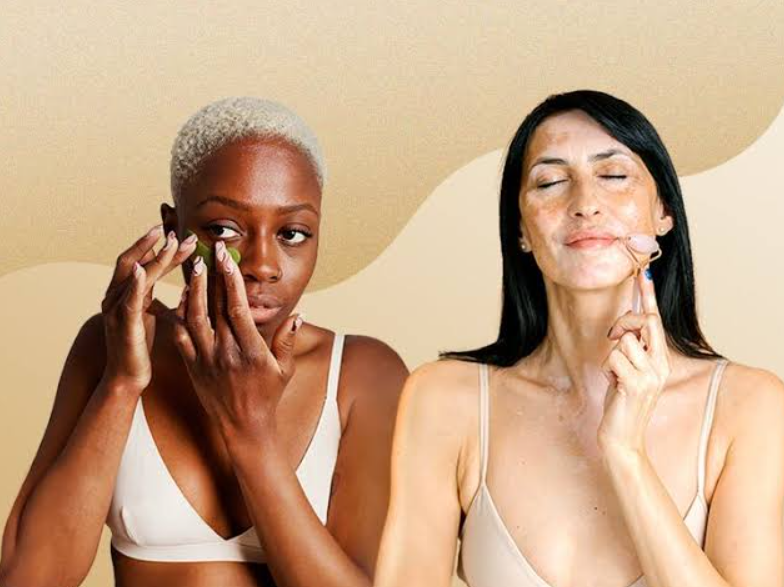

Healthy, glowing skin does not always require expensive beauty products or complicated skincare routines. Simple daily habits such as protecting your skin from the sun, getting enough sleep, eating a balanced diet, staying hydrated, and using gentle skincare products can make a meaningful difference.
The idea behind natural glowing skin should be healthy, comfortable, and well-cared-for skin rather than trying to change your natural complexion. Every skin type is different, so what works well for one person may not work for another.
If you want to improve the appearance of your skin naturally, these best beauty tips for glowing skin can help you build a simple and sustainable routine.
1. Clean Your Face Gently
Keeping your skin clean is an important part of basic skincare. Dirt, sweat, makeup, and excess oil can accumulate on the skin throughout the day.
Use a gentle cleanser that suits your skin type and avoid aggressive scrubbing. Washing your face too frequently or using harsh products can irritate the skin and make dryness worse.
For most people, cleansing in the evening is especially important because it removes sunscreen, makeup, and the day’s buildup.
2. Moisturize Regularly
Moisturizer helps maintain the skin’s protective barrier and can make skin appear softer and smoother.
Choose a moisturizer based on your skin type. Lightweight, non-comedogenic formulas may work well for oily or acne-prone skin, while richer moisturizers may be more comfortable for dry skin.
Even oily skin can benefit from appropriate hydration. Skipping moisturizer does not necessarily reduce oil production and may leave the skin feeling uncomfortable.
3. Never Skip Sunscreen
One of the most important beauty tips for glowing skin naturally is daily sun protection.
Sun exposure contributes to premature skin aging, including wrinkles, uneven pigmentation, and other forms of skin damage. The American Academy of Dermatology recommends using a broad-spectrum, water-resistant sunscreen with an SPF of 30 or higher. (aad.org)
Apply sunscreen to exposed skin and reapply as recommended, particularly when spending extended periods outdoors.
Sunscreen is not only about preventing sunburn. Consistent sun protection can also help prevent the appearance of dark spots and premature aging.
4. Drink Enough Water
Staying hydrated is important for overall health, and dehydration can make you feel tired and may contribute to dry-looking skin.
Instead of focusing on a specific number of glasses, drink water regularly throughout the day and pay attention to your thirst. Your hydration needs vary according to your activity level, weather, diet, and individual circumstances.
Water is helpful, but it is not a miracle skincare treatment. Healthy skin also depends on nutrition, sleep, sun protection, and appropriate skincare.
5. Eat a Balanced Diet
Your skin benefits from good overall nutrition.
Include a variety of fruits, vegetables, whole grains, legumes, nuts, seeds, and protein sources in your diet. Foods rich in nutrients and antioxidants can support overall health.
Colorful fruits and vegetables provide vitamins and other beneficial plant compounds. Healthy fats from foods such as fish, nuts, seeds, and avocados can also be part of a balanced eating pattern.
Rather than relying on a single “beauty food,” focus on dietary variety.
6. Get Enough Sleep
Sleep is an important part of overall health and can influence how refreshed you look.
Adults generally need around 7 to 9 hours of sleep per night, although individual needs vary.
A consistent sleep schedule can be more useful than occasionally getting a very long night’s sleep. Create a relaxing bedtime routine, reduce unnecessary screen time before bed, and keep your sleeping environment comfortable.
7. Avoid Smoking
Smoking can negatively affect skin health and contributes to premature skin aging. It can also affect blood vessels and reduce oxygen delivery to tissues.
If you smoke, quitting can benefit your overall health as well as your skin. Avoiding exposure to tobacco smoke is one of the most effective long-term lifestyle choices you can make for your health.
8. Limit Excessive Alcohol
Heavy alcohol consumption can contribute to dehydration and may negatively affect overall health.
If you drink alcohol, moderation is important. For people who do not drink, there is no health reason to start drinking for skincare purposes.
Your skin is more likely to benefit from healthy daily habits than from beauty trends involving alcoholic drinks or unusual topical treatments.
9. Avoid Over-Exfoliating
Exfoliation can help remove dead skin cells, but more is not necessarily better.
Using strong exfoliating products too frequently can irritate the skin, damage its protective barrier, and make redness or sensitivity worse.
If you want to exfoliate, choose a product appropriate for your skin type and follow its instructions. People with sensitive skin may need to exfoliate less frequently or avoid certain exfoliating ingredients altogether.
10. Do Not Pick Pimples
It can be tempting to squeeze or pick at acne, but doing so can increase inflammation and may contribute to scarring or dark marks.
Instead, use appropriate acne treatments and give blemishes time to heal. If acne is persistent, painful, or leaving scars, consider speaking with a dermatologist.
Healthy skin does not mean completely poreless or blemish-free skin. Occasional pimples are normal.
11. Keep Your Skin Routine Simple
You do not need ten or twenty skincare products.
A simple routine can include:
Morning:
Cleanser → Moisturizer → Sunscreen
Evening:
Cleanser → Moisturizer
You can add targeted products for specific concerns if needed, but introducing many products at once makes it difficult to determine what is helping or causing irritation.
Consistency is usually more important than having a complicated routine.
12. Choose Products for Your Skin Type
Understanding whether your skin is oily, dry, combination, normal, or sensitive can help you choose appropriate products.
If your skin feels tight and flaky, you may need more moisturizing products. If it becomes shiny quickly, lightweight formulas may be more comfortable.
Sensitive skin often benefits from fragrance-free, gentle products and a gradual approach to introducing new ingredients.
13. Try Natural Ingredients Carefully
Natural ingredients such as aloe vera, oatmeal, and certain plant oils are commonly used in skincare. However, “natural” does not automatically mean safe for every person.
Lemon juice, baking soda, undiluted essential oils, and other harsh DIY ingredients can irritate or damage the skin.
Always research an ingredient before applying it to your face and consider patch testing new products.
14. Keep Your Pillowcases and Towels Clean
Your face comes into contact with pillowcases and towels regularly. Keeping them clean is a simple hygiene habit that can support a healthy skincare routine.
If you have acne-prone skin, avoid repeatedly using very dirty towels or pillowcases. Use clean, soft fabrics and avoid aggressive rubbing.
15. Exercise Regularly
Regular physical activity supports overall health and can contribute to a healthy appearance.
Exercise improves cardiovascular health, helps manage stress, and can improve sleep. However, remember to wash away sweat after workouts if it tends to irritate your skin.
Exercise itself is not a treatment for acne or other skin conditions, but it can be part of a healthy lifestyle.
16. Manage Stress
Stress can affect overall well-being and may worsen certain skin conditions in some people.
Find healthy ways to manage stress, such as walking, exercise, meditation, hobbies, spending time with friends, or getting enough rest.
You do not need to eliminate stress completely. The goal is to develop healthy ways of coping with it.
17. Avoid Constantly Changing Products
Skincare results often take time. Changing products every few days makes it difficult to know whether a product works.
Introduce new products gradually and give your skin enough time to adjust unless irritation occurs.
If a product causes burning, swelling, severe redness, or other concerning reactions, stop using it and seek appropriate medical advice.
18. Protect Your Skin From the Environment
If you spend a lot of time outdoors, protect your skin from excessive sun exposure. Seek shade when appropriate, wear protective clothing, and use sunscreen.
During cold or dry weather, use a suitable moisturizer and avoid very hot showers if they leave your skin excessively dry.
Your skincare routine should change according to the environment and how your skin responds.
FAQs About Natural Glowing Skin
How can I make my skin glow naturally?
Focus on consistent basics: gentle cleansing, regular moisturizing, daily sunscreen, adequate sleep, balanced nutrition, hydration, exercise, and stress management.
What should I drink for glowing skin?
Water is the simplest choice for staying hydrated. Unsweetened beverages can also contribute to fluid intake. No particular drink can guarantee glowing skin.
Which foods are best for healthy skin?
A varied diet containing fruits, vegetables, whole grains, legumes, nuts, seeds, healthy fats, and adequate protein can support overall health and provide nutrients important for normal skin function.
Can drinking more water clear my skin?
Staying hydrated is important for health, but simply drinking excessive amounts of water is not a guaranteed treatment for acne or other skin conditions. Hydration should be combined with appropriate skincare and a balanced lifestyle.
How can I get glowing skin overnight?
There is no reliable overnight method that can completely transform your skin. A gentle cleansing and moisturizing routine, adequate sleep, and avoiding irritating products can help you look more refreshed the next morning.
Is sunscreen necessary every day?
If you are exposed to daylight, daily sun protection is an important part of skincare. The American Academy of Dermatology recommends broad-spectrum SPF 30 or higher sunscreen as part of sun protection. (aad.org)
Is lemon good for glowing skin?
Applying lemon juice directly to the skin is not recommended because it can cause irritation and increase sensitivity to sunlight. Safer, properly formulated skincare products are preferable.
How often should I exfoliate my face?
It depends on your skin type and the exfoliating product. Over-exfoliation can irritate the skin, so follow product instructions and reduce frequency if you experience dryness, redness, or sensitivity.
Can natural oils make skin glow?
Some plant oils can help moisturize and soften the skin, but they are not suitable for everyone. If you have oily or acne-prone skin, some oils may clog pores or worsen breakouts.
What is the most important beauty tip for healthy skin?
Daily sun protection is one of the most important habits. A simple routine that includes sunscreen, gentle cleansing, and appropriate moisturizing can provide a strong foundation for healthy-looking skin.
Final Thoughts
The best beauty tips for glowing skin naturally are usually simple rather than complicated. Protect your skin from the sun, keep it moisturized, cleanse gently, eat a balanced diet, sleep well, stay hydrated, manage stress, and avoid habits that can damage your skin.
You do not need to chase unrealistic beauty standards or use dozens of products to have healthy-looking skin. Consistency and patience are more valuable than expensive trends.
If you experience persistent acne, unexplained rashes, severe dryness, pigmentation changes, or other ongoing skin problems, consider consulting a dermatologist. Professional advice can help identify the cause and choose appropriate treatment.