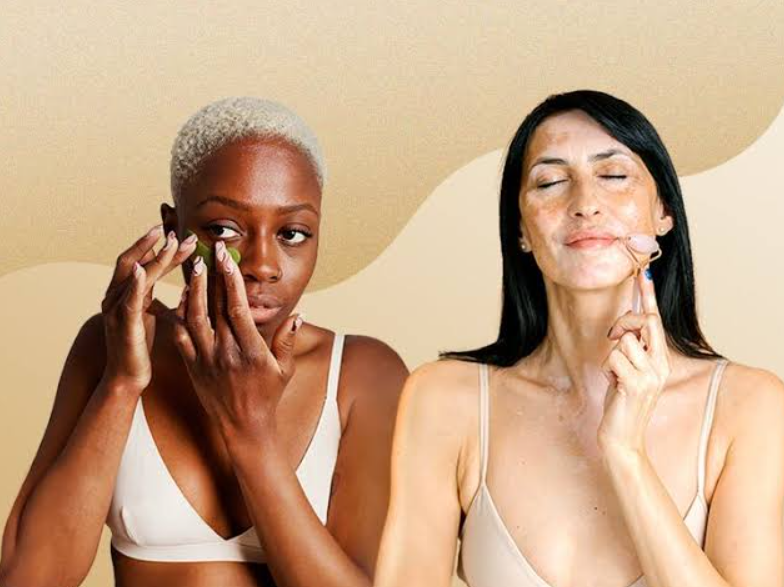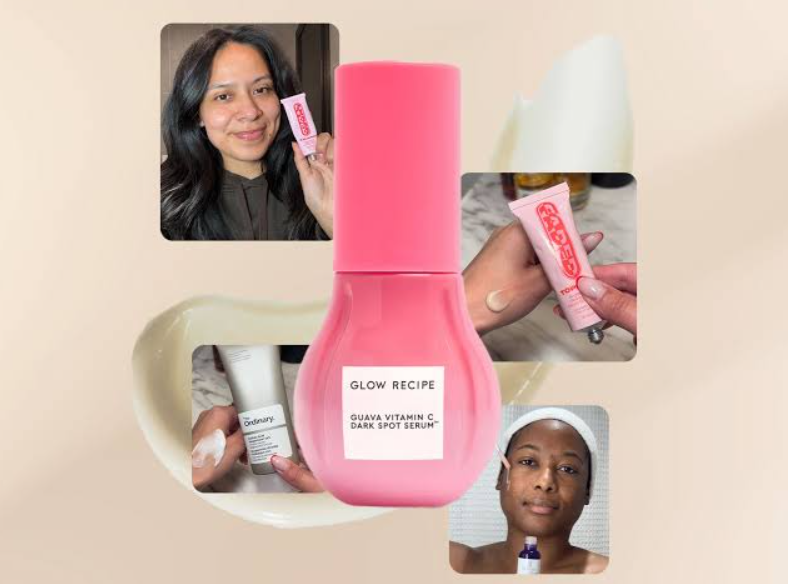
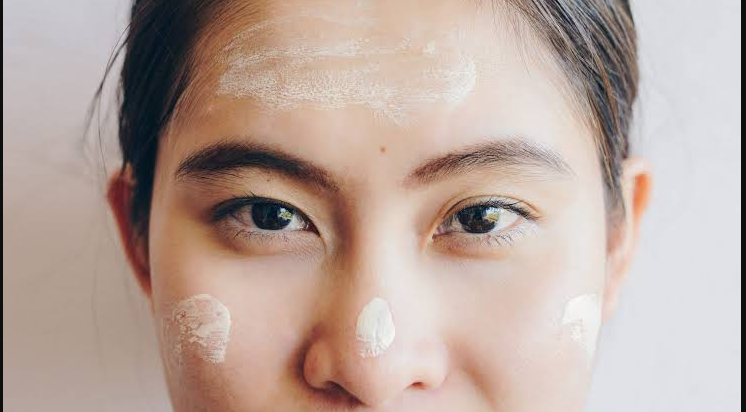
Smooth, healthy-looking skin does not have to depend on expensive beauty treatments or complicated skincare routines. While genetics, age, hormones, and skin type all influence your natural skin texture, simple daily habits can help your skin look softer, more even, and healthier.
The best ways to improve skin texture naturally include keeping your skin moisturized, protecting it from the sun, eating a balanced diet, getting enough sleep, avoiding harsh skincare habits, and maintaining a consistent routine.
Whether you are dealing with roughness, dryness, uneven texture, or dull-looking skin, the following tips can help you build a practical skincare routine.
1. Keep Your Skin Properly Hydrated
One of the easiest ways to improve the appearance of skin texture is to keep the skin moisturized.
Dry skin can look rough, flaky, and uneven. A suitable moisturizer helps support the skin barrier and gives the surface a softer appearance.
Choose a moisturizer according to your skin type. Lightweight lotions or gels may feel more comfortable on oily skin, while creams can be useful for dry skin.
Apply moisturizer after cleansing while your skin is slightly damp to help lock in moisture.
2. Wear Sunscreen Every Day
Sun exposure can contribute to uneven skin tone, roughness, fine lines, and premature skin aging.
Make sunscreen an essential part of your daily skincare routine. Choose a broad-spectrum sunscreen with SPF 30 or higher and apply it to exposed areas.
If you spend a lot of time outdoors, reapply sunscreen as needed and consider additional protection such as hats, sunglasses, and shade.
Consistent sun protection can help preserve smoother-looking skin over time.
3. Cleanse Your Face Gently
Cleansing removes sweat, excess oil, dirt, makeup, and other substances that accumulate on the skin.
However, aggressive cleansing can damage the skin barrier and make roughness worse.
Use a gentle cleanser that suits your skin type and avoid scrubbing your face aggressively. For many people, cleansing in the morning and evening is sufficient, although routines can vary depending on skin type and lifestyle.
4. Exfoliate Carefully
Exfoliation can improve the appearance of rough skin by helping remove excess dead skin cells.
However, excessive exfoliation can cause redness, dryness, irritation, and increased sensitivity.
If you choose to exfoliate, consider gentle chemical exfoliants such as lactic acid or salicylic acid rather than harsh physical scrubs.
Start slowly and pay attention to how your skin responds.
If your skin becomes irritated, reduce the frequency or stop exfoliating until it recovers.
5. Avoid Harsh Face Scrubs
Many people believe that vigorous scrubbing will make the skin smoother. In reality, rough scrubs can irritate the skin and make texture appear worse.
Avoid aggressively rubbing your face with sugar, salt, rough brushes, or other abrasive materials.
Healthy exfoliation should not leave your skin feeling raw or burning.
6. Use a Gentle Retinoid
Retinoids are widely used in skincare for improving acne, fine lines, uneven tone, and overall skin texture.
They encourage skin-cell turnover and can gradually help create a smoother-looking complexion.
If you are new to retinoids, introduce them gradually. They can initially cause dryness, peeling, or irritation.
Use moisturizer regularly and protect your skin from the sun during the day.
7. Try Niacinamide
Niacinamide is a versatile skincare ingredient that can be useful for several skin concerns.
It may help support the skin barrier and improve the appearance of uneven skin tone and texture.
It is available in serums, moisturizers, and other skincare products.
You do not need a very high concentration to benefit from niacinamide. Choose a well-formulated product and introduce it gradually if your skin is sensitive.
8. Eat a Balanced Diet
Your skin is affected by your overall nutrition.
Instead of searching for one “superfood” for beautiful skin, focus on a balanced diet containing a variety of:
- Fruits
- Vegetables
- Whole grains
- Legumes
- Nuts
- Seeds
- Protein-rich foods
- Healthy fats
Colorful fruits and vegetables provide a variety of nutrients and plant compounds that support overall health.
A balanced diet is much more valuable than relying on beauty supplements or restrictive diets.
9. Drink Enough Water
Adequate hydration is important for overall health.
When you are dehydrated, you may feel tired and your skin can appear less healthy. Drink water regularly according to your body’s needs.
However, drinking excessive amounts of water will not automatically eliminate pores, acne, wrinkles, or uneven texture.
Hydration works best as part of a complete healthy lifestyle.
10. Get Enough Sleep
Sleep is an important part of overall health and can affect how refreshed your skin looks.
Aim for a consistent sleep schedule and give your body enough time to rest.
Adults commonly need around seven to nine hours of sleep each night, although individual needs can vary.
If you regularly sacrifice sleep because of work or late-night screen time, improving your sleep habits may be one of the simplest lifestyle changes you can make.
11. Manage Stress
Stress can affect your overall well-being and may worsen certain skin problems for some people.
Find healthy ways to manage stress, such as:
- Walking
- Exercise
- Meditation
- Deep breathing
- Reading
- Spending time outdoors
- Enjoying hobbies
- Socializing with friends and family
You do not need to eliminate stress completely. The goal is to develop healthy ways of managing it.
12. Avoid Smoking
Smoking can negatively affect overall health and can contribute to premature skin aging.
If you smoke, quitting can benefit your skin as well as your general health.
Avoiding tobacco smoke is a much more meaningful long-term skin-care choice than relying on expensive anti-aging products.
13. Limit Excessive Alcohol
Heavy alcohol consumption can affect overall health and may contribute to dehydration.
If you drink, moderation is important. If you do not drink, there is no need to start for skincare purposes.
A balanced lifestyle is more beneficial to your skin than any beauty trend involving alcohol.
14. Keep Your Pillowcases Clean
Your face spends many hours in contact with your pillowcase.
Regularly changing and washing pillowcases can be a simple hygiene habit, particularly if you have oily or acne-prone skin.
Choose soft fabrics that feel comfortable against your face and avoid using excessively rough materials.
15. Don’t Pick Your Skin
Picking at pimples, blackheads, or flaky areas can cause inflammation and potentially lead to marks or scars.
If you have acne, use appropriate acne treatments instead of repeatedly touching your face.
Keeping your hands away from your face is a simple habit that can help prevent unnecessary irritation.
16. Exercise Regularly
Regular exercise supports cardiovascular health, stress management, and overall well-being.
Physical activity can also help you sleep better and feel more energetic.
Remember to cleanse your face appropriately after exercise if sweat and products remain on your skin. Avoid leaving heavy makeup on while exercising if it tends to cause irritation.
17. Use Lukewarm Water
Very hot water can remove natural oils from the skin and leave it feeling dry or tight.
Use lukewarm water when washing your face and avoid spending excessive amounts of time in very hot showers.
After cleansing, gently pat your skin dry instead of rubbing it aggressively with a towel.
18. Choose Fragrance-Free Products if Your Skin Is Sensitive
Fragrance can irritate some people’s skin.
If your skin frequently becomes red, itchy, or uncomfortable, consider choosing fragrance-free skincare products.
Avoid introducing several new products at once. If irritation develops, it will be easier to identify the potential cause when you introduce products one at a time.
19. Avoid Constantly Changing Your Routine
Skin improvement takes time.
Switching products every few days makes it difficult to determine whether a particular product is effective.
Choose a simple routine and use it consistently. Give suitable products enough time to show results unless they cause irritation.
Consistency is often more valuable than following every new skincare trend.
20. Be Patient With Natural Skin Improvement
There is no reliable overnight method for completely transforming skin texture.
Your skin naturally changes with age, hormones, environment, and lifestyle.
Instead of trying to achieve unrealistic perfection, focus on creating skin that is healthy, comfortable, and well cared for.
Simple Natural Skincare Routine for Better Texture
A basic routine can be surprisingly effective.
Morning
Step 1: Gentle cleanser
Step 2: Niacinamide or another suitable treatment
Step 3: Moisturizer
Step 4: Broad-spectrum SPF 30+ sunscreen
Evening
Step 1: Gentle cleanser
Step 2: Retinoid or suitable exfoliating product
Step 3: Moisturizer
You do not necessarily need to use a retinoid and exfoliating acid on the same night. Using too many active ingredients together can increase irritation.
Natural Ingredients That May Support Smooth-Looking Skin
Some naturally derived ingredients are commonly included in skincare products.
Aloe Vera
Aloe vera can provide a soothing and moisturizing feel for some people.
Oatmeal
Colloidal oatmeal is commonly used in products designed for dry or sensitive skin.
Shea Butter
Shea butter can help moisturize dry skin and support a softer appearance.
Green Tea
Green tea contains naturally occurring antioxidant compounds and is found in many skincare formulations.
However, “natural” does not automatically mean safe for everyone. Avoid applying harsh kitchen ingredients such as lemon juice or baking soda directly to your face.
How Long Does It Take to Improve Skin Texture?
The timeframe depends on the cause of the uneven texture.
Dryness may improve relatively quickly once you establish an effective moisturizing routine. Acne, pigmentation, and fine lines can take considerably longer.
Ingredients such as retinoids and exfoliating acids generally require consistent use over time.
If your skin becomes irritated, reduce your routine rather than adding more products.
When to See a Dermatologist
Consider professional advice if you have persistent:
- Severe acne
- Deep acne scars
- Rough patches that do not improve
- Unexplained changes in skin texture
- Persistent redness
- Severe dryness
- Itching or inflammation
- Rapidly changing skin lesions
Some skin conditions can look like ordinary roughness but require specific treatment.
FAQs About Improving Skin Texture Naturally
How can I improve my skin texture naturally?
Focus on gentle cleansing, regular moisturizing, daily sun protection, balanced nutrition, adequate sleep, stress management, and avoiding harsh skincare practices.
What is the best natural ingredient for smooth skin?
There is no single best ingredient for everyone. Aloe vera, colloidal oatmeal, and shea butter can be useful in appropriate formulations, while ingredients such as niacinamide and retinoids may provide more targeted skincare benefits.
Can drinking water improve skin texture?
Staying hydrated supports overall health and can help when dehydration contributes to dry-looking skin. However, water alone cannot correct every type of uneven texture.
How often should I exfoliate my skin?
It depends on your skin type and the exfoliating product. Start slowly and avoid over-exfoliation. If you experience burning, redness, or excessive dryness, reduce use or stop temporarily.
Can I use lemon juice to make my skin smoother?
It is better to avoid applying lemon juice directly to your skin. It can cause irritation and make your skin more sensitive.
Does sleep improve skin texture?
Adequate sleep supports overall health and can help you look more refreshed. Consistently poor sleep may contribute to a tired appearance.
Can exercise make your skin glow?
Exercise supports overall health and can help with stress management and sleep. It is not a direct treatment for acne or other skin conditions, but it can be part of a healthy lifestyle.
How can I improve rough skin on my face?
Use a gentle cleanser, moisturize regularly, avoid harsh scrubbing, and consider a suitable exfoliating ingredient or retinoid. Introduce active ingredients gradually.
Can natural remedies remove acne scars?
Home remedies generally cannot remove deep acne scars. Mild pigmentation may improve over time with appropriate skincare, but significant scarring may require professional treatment.
How can I make my skin smooth overnight?
There is no reliable overnight solution for permanently changing skin texture. Moisturizing before bed can temporarily make dry skin look and feel smoother.
What should I avoid if I want smoother skin?
Avoid excessive exfoliation, harsh scrubs, picking at acne, irritating DIY treatments, excessive sun exposure, and constantly changing your skincare products.
Final Thoughts
The best ways to improve skin texture naturally involve simple habits rather than complicated beauty treatments. Keep your skin moisturized, cleanse gently, protect it from the sun, eat a balanced diet, drink enough water, sleep well, exercise regularly, and avoid unnecessary irritation.
If you want to add skincare ingredients, introduce them gradually and choose products suited to your skin type. Remember that healthy skin does not need to be perfectly smooth or poreless. Natural pores, fine lines, and small variations in texture are completely normal.
With patience and consistency, a simple skincare and lifestyle routine can help your skin look smoother, healthier, and more radiant over time.