
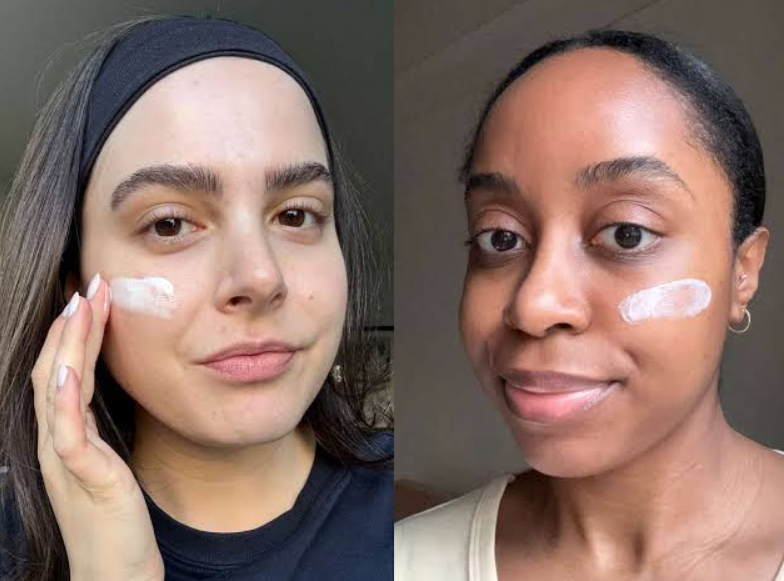
Finding the best moisturizer for dry sensitive skin can be challenging. Dry skin needs enough hydration to feel soft and comfortable, while sensitive skin requires gentle ingredients that are less likely to cause irritation. The right moisturizer can help reduce dryness, support the skin barrier, and leave your skin feeling smoother and more comfortable.
You do not necessarily need an expensive moisturizer to care for dry sensitive skin. What matters most is choosing a formula with moisturizing and barrier-supporting ingredients while avoiding ingredients that your skin does not tolerate well.
Why Does Dry Sensitive Skin Need a Good Moisturizer?
Dry skin often lacks enough moisture and may feel tight, rough, flaky, or uncomfortable. Sensitive skin can react more easily to environmental factors and certain skincare ingredients.
When the skin barrier becomes weakened, moisture can escape more easily. This can make the skin feel even drier and more sensitive.
A suitable moisturizer can help lock in moisture and support the skin barrier. For dry sensitive skin, consistency is often more important than having a large skincare collection.
What to Look for in a Moisturizer for Dry Sensitive Skin
When choosing a moisturizer, focus on ingredients that provide hydration and help protect the skin barrier.
Some useful ingredients include:
- Ceramides: Help support the skin barrier.
- Glycerin: Helps attract moisture to the skin.
- Hyaluronic acid: Helps the skin retain hydration.
- Squalane: Provides lightweight moisture.
- Shea butter: Offers rich moisturization for dry skin.
- Panthenol: Can help soothe and hydrate the skin.
- Colloidal oatmeal: Can be useful for dry and uncomfortable skin.
- Petrolatum: Helps reduce moisture loss and is useful for very dry areas.
You do not need a moisturizer containing every ingredient on this list. A simple formula with a few effective ingredients can be enough.
Best Types of Moisturizers for Dry Sensitive Skin
Different moisturizer textures work better for different levels of dryness.
| Moisturizer Type | Best For | Texture |
|---|---|---|
| Cream | Dry and sensitive skin | Rich and nourishing |
| Lotion | Mild to moderate dryness | Lightweight |
| Balm | Very dry or irritated areas | Thick and protective |
| Gel-cream | Slightly dry sensitive skin | Light and refreshing |
| Ointment | Extremely dry areas | Very rich |
For very dry skin, a cream or balm may provide more comfort than a lightweight gel.
If your skin is sensitive but only mildly dry, a lightweight cream or lotion may be sufficient.
Fragrance-Free Moisturizer for Sensitive Skin
Fragrance is one of the ingredients that can bother some people with sensitive skin. If your skin frequently becomes red, itchy, or irritated, a fragrance-free moisturizer may be a better option.
However, “fragrance-free” does not automatically mean that a product will work for everyone. Individual sensitivities vary.
When possible, choose a simple formula and introduce it gradually.
Can Dry Sensitive Skin Use Hyaluronic Acid?
Yes, hyaluronic acid can be useful for dry skin because it helps attract and retain moisture.
However, a hydrating ingredient works best as part of a complete moisturizing routine. If your skin is very dry, you may benefit from applying a moisturizer over a hydrating serum rather than relying on a serum alone.
A moisturizer containing both humectants and barrier-supporting ingredients can be a convenient choice.
Are Ceramides Good for Dry Sensitive Skin?
Ceramides are commonly used in skincare products designed to support the skin barrier.
Because dry sensitive skin can be more prone to moisture loss and irritation, a moisturizer containing ceramides may be a useful addition to a daily routine.
Look for a product that combines ceramides with moisturizing ingredients such as glycerin or other humectants.
How to Apply Moisturizer Correctly
The way you apply moisturizer can also make a difference.
After cleansing, gently pat your face without completely drying it. Apply moisturizer while the skin still has some moisture.
Use enough product to cover the face and neck comfortably without aggressively rubbing the skin.
If your skin is extremely dry, you can apply another thin layer to particularly dry areas at night.
Morning Skincare Routine for Dry Sensitive Skin
A simple morning routine can include:
Gentle cleanser → Moisturizer → Sunscreen
If cleansing in the morning makes your skin feel tight, you may prefer a very gentle cleansing approach.
After moisturizing, apply a broad-spectrum sunscreen with SPF 30 or higher.
Choose a sunscreen that feels comfortable and does not irritate your skin.
Nighttime Routine for Dry Sensitive Skin
Your nighttime routine can focus on hydration and barrier support.
Gentle cleanser → Moisturizer
If your skin is extremely dry, you can use a richer moisturizer at night.
You do not necessarily need a separate night cream. A suitable moisturizer can often be used both morning and night.
Ingredients to Be Careful With
Sensitive skin can react to different ingredients depending on the individual. If you frequently experience irritation, consider being cautious with strongly fragranced products and aggressive exfoliating ingredients.
You may also want to avoid introducing several new active ingredients at the same time.
Products containing strong acids, retinoids, or other active ingredients may require gradual introduction, especially if your skin is already dry or irritated.
The goal is to keep your routine comfortable rather than constantly pushing your skin with stronger products.
Common Moisturizing Mistakes
Even a good moisturizer may not seem effective if your routine contains habits that increase dryness.
Common mistakes include:
- Using very hot water
- Washing the face too frequently
- Scrubbing dry skin
- Skipping moisturizer
- Using heavily fragranced products
- Applying too many active ingredients
- Changing moisturizers too frequently
- Forgetting sunscreen
- Using harsh exfoliators on dry skin
Keeping your routine simple can help reduce unnecessary irritation.
How to Choose the Best Moisturizer on a Budget
You do not need to spend a lot of money on skincare.
When shopping for a moisturizer, focus on the ingredient list and how your skin responds rather than the brand name or packaging.
A budget-friendly moisturizer can be an excellent choice if it provides enough hydration and does not irritate your skin.
Look for products labeled:
- Fragrance-free
- Non-comedogenic, if you are prone to clogged pores
- For sensitive skin
- Hydrating
- Barrier-supporting
Remember that a higher price does not automatically mean a better moisturizer.
Best Moisturizer Ingredients by Skin Concern
| Skin Concern | Ingredients to Consider |
|---|---|
| Very dry skin | Shea butter, petrolatum, ceramides |
| Tight skin | Glycerin, hyaluronic acid |
| Sensitive skin | Ceramides, panthenol, oatmeal |
| Flaky skin | Ceramides, shea butter, squalane |
| Dehydrated skin | Glycerin, hyaluronic acid |
| Irritated-feeling skin | Panthenol, colloidal oatmeal |
| Combination sensitive skin | Glycerin, ceramides, lightweight emollients |
The ideal combination depends on your skin’s individual needs.
FAQs About Moisturizers for Dry Sensitive Skin
1. What is the best moisturizer for dry sensitive skin?
The best moisturizer is one that provides enough hydration without causing irritation. Cream-based, fragrance-free formulas containing ingredients such as ceramides, glycerin, or panthenol can be good options.
2. Should dry sensitive skin use moisturizer every day?
Yes. Moisturizing regularly can help maintain hydration and support the skin barrier. Using moisturizer consistently in the morning and at night can be a simple way to manage dryness.
3. Is a cream better than a lotion for dry skin?
Creams are generally richer than lotions and may be more comfortable for very dry skin. If your dryness is mild, a lotion may provide enough moisture.
4. Is hyaluronic acid good for sensitive skin?
Hyaluronic acid can provide hydration and is commonly used in sensitive-skin products. However, individual reactions vary, so choose a gentle formula and introduce it gradually.
5. Are ceramides good for dry skin?
Ceramides can help support the skin barrier and are commonly included in moisturizers designed for dry skin.
6. Should I avoid fragrance if I have sensitive skin?
If your skin is easily irritated, a fragrance-free moisturizer may be a good choice. Fragrance can bother some sensitive skin, although individual tolerance varies.
7. Can I use the same moisturizer during the day and at night?
Yes. If your moisturizer works well for your skin, you can generally use it both morning and night. During the day, apply sunscreen as the final skincare step.
8. How often should I moisturize dry sensitive skin?
Most people with dry skin can moisturize at least twice daily. You can also apply moisturizer whenever your skin feels particularly dry or uncomfortable.
9. Can moisturizer cause acne?
Some rich products may feel heavy or contribute to clogged pores for certain people. If you have both dry and acne-prone skin, look for a non-comedogenic moisturizer.
10. What should I do if my moisturizer burns?
Stop using a moisturizer that causes significant burning, redness, swelling, or persistent irritation. Return to a simple routine and seek professional advice if the reaction is severe or does not improve.
Final Thoughts
Choosing the best moisturizer for dry sensitive skin is mainly about finding the right balance between hydration and gentleness. Look for ingredients such as ceramides, glycerin, hyaluronic acid, panthenol, and other barrier-supporting ingredients.
A simple routine with a gentle cleanser, moisturizer, and daily sunscreen can provide a strong foundation for dry sensitive skin. You do not need dozens of products or an expensive skincare collection.
Pay attention to how your skin responds, introduce new products gradually, and choose formulas that leave your skin comfortable rather than tight, dry, or irritated. With consistent care, the right moisturizer can help your skin feel softer, smoother, and more hydrated.