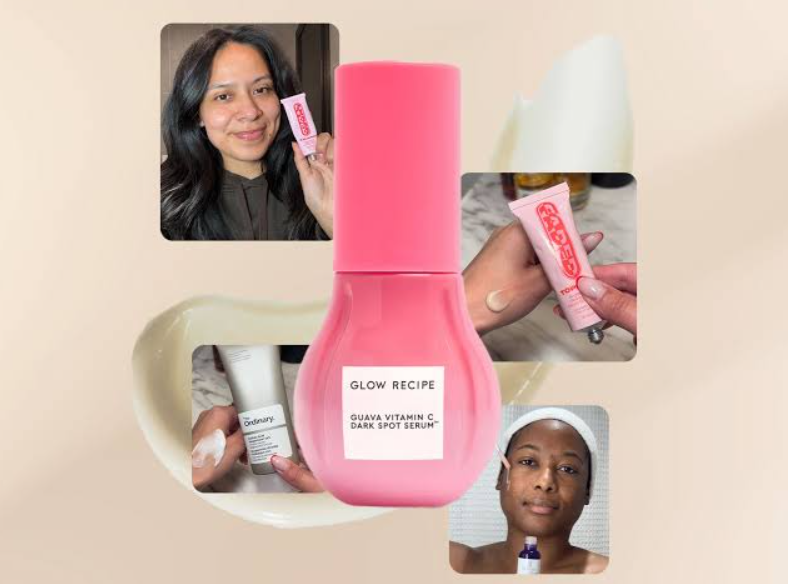
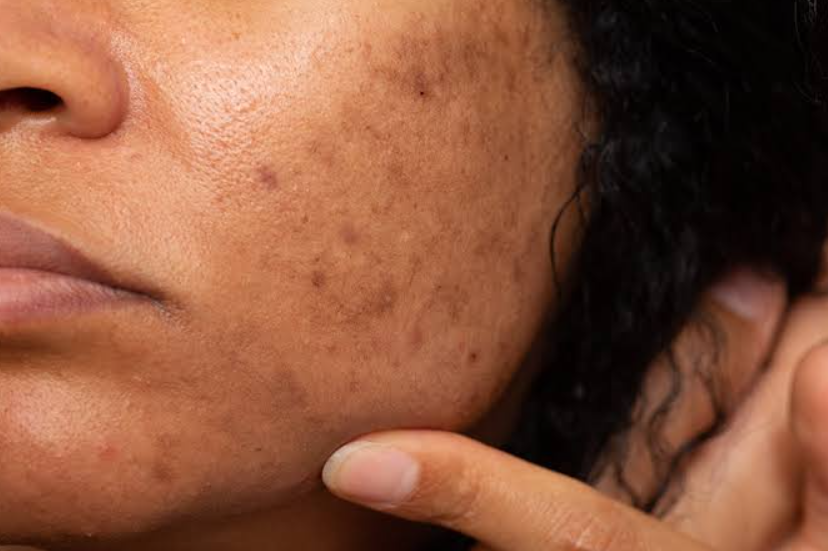
Dark spots on the face are a common skincare concern. They can appear after acne, excessive sun exposure, skin irritation, or hormonal changes. While dark spots are usually harmless, they can make the skin look uneven and may take time to fade.
If you are wondering how to reduce dark spots naturally on face, the most important approach is to protect your skin from the sun, avoid irritation, maintain a consistent skincare routine, and use gentle ingredients that support a more even-looking complexion.
Natural skincare can be helpful, but it is important to remember that natural does not always mean gentle or suitable for every skin type. Avoid harsh DIY remedies that can irritate your skin and potentially make pigmentation more noticeable.
What Causes Dark Spots on the Face?
Dark spots develop when certain areas of the skin produce more pigment than surrounding areas.
Common causes include:
- Acne and pimples
- Picking or squeezing breakouts
- Sun exposure
- Hormonal changes
- Skin irritation
- Minor injuries or inflammation
- Certain skincare products that irritate the skin
Dark spots left behind after acne are often called post-inflammatory hyperpigmentation. They can gradually become lighter, but the process may take time.
1. Use Sunscreen Every Day
One of the most important steps for reducing the appearance of dark spots is protecting your skin from the sun.
UV exposure can make existing pigmentation appear darker and can contribute to the development of new dark spots.
Use a broad-spectrum sunscreen with SPF 30 or higher every day. Apply it generously to exposed areas of your face and reapply when necessary, particularly during prolonged outdoor activities.
If you are trying to fade dark spots, sunscreen should be considered an essential part of your routine rather than an optional product.
2. Try Aloe Vera
Aloe vera is a popular natural skincare ingredient because of its soothing and hydrating properties.
It may help keep the skin comfortable and hydrated while you work on improving the appearance of uneven skin tone.
Choose a facial product containing aloe vera rather than using unknown or heavily fragranced products directly on your face.
If you have sensitive skin, test a small amount before applying it more widely.
3. Use Green Tea
Green tea contains naturally occurring antioxidants and is commonly used in skincare products.
A serum, moisturizer, or other facial product containing green tea extract can be a gentle addition to a skincare routine focused on maintaining a healthy-looking complexion.
Rather than relying on homemade green tea mixtures, a properly formulated skincare product can provide a more convenient option.
4. Consider Vitamin C
Vitamin C is a popular skincare ingredient for people concerned about dullness and uneven skin tone.
It can help support a brighter-looking complexion and is often included in products designed to improve the appearance of dark spots.
If you are new to vitamin C, start with a gentle product and introduce it gradually. Store the product according to its instructions because some vitamin C formulas can become less effective when exposed to air, heat, or light.
5. Try Azelaic Acid
Although azelaic acid is not a traditional kitchen-based natural remedy, it is a useful skincare ingredient derived from naturally occurring compounds and is commonly used for uneven skin tone and acne-related concerns.
It can be particularly interesting for people who experience both acne and dark marks.
Start gradually and monitor your skin for irritation.
6. Keep Your Skin Moisturized
A healthy skin barrier can make your overall skincare routine more comfortable.
When skin becomes excessively dry or irritated, it can look dull and uneven. Using a moisturizer appropriate for your skin type can help maintain hydration.
Choose a lightweight moisturizer if you have oily skin or a richer cream if your skin is dry.
Natural Ingredients for Dark Spots
Different ingredients can provide different benefits. However, no natural ingredient can guarantee that dark spots will disappear quickly.
| Natural Ingredient | Potential Skin Benefit | Best For |
|---|---|---|
| Aloe vera | Soothing and hydration | Sensitive or dry skin |
| Green tea | Antioxidant support | Dull-looking skin |
| Licorice extract | Helps improve uneven appearance | Dark spots |
| Turmeric | Antioxidant properties | Dull-looking skin |
| Vitamin C | Brightening support | Uneven skin tone |
| Aloe-based products | Hydration and comfort | Most skin types |
| Oatmeal | Soothing support | Sensitive skin |
Choose properly formulated products whenever possible rather than applying raw ingredients directly to your face.
Avoid Lemon Juice for Dark Spots
Lemon juice is a popular DIY remedy for pigmentation, but it is not a good choice for facial skincare.
Applying acidic kitchen ingredients directly to your face can cause irritation and make your skin more sensitive. Irritation can potentially make pigmentation look worse rather than better.
The same principle applies to other harsh DIY remedies. If a treatment causes burning or significant irritation, it is not a good solution for dark spots.
Avoid Baking Soda and Harsh Scrubs
Baking soda is sometimes promoted online as a natural skin treatment, but it can be too harsh for facial skin.
Similarly, aggressive sugar, salt, or other physical scrubs can create unnecessary friction.
Instead of trying to physically scrub dark spots away, focus on gentle cleansing, moisturizing, targeted ingredients, and sun protection.
Do Not Pick Your Pimples
If your dark spots appear after acne, preventing new inflammation is just as important as treating existing marks.
Picking, squeezing, or scratching pimples can irritate the skin and increase the chance of developing visible marks.
Allow breakouts to heal without repeatedly touching them.
Create a Simple Routine
You do not need a complicated routine to work on dark spots.
Morning
Gentle cleanser → Vitamin C or another suitable treatment → Moisturizer → Sunscreen
Night
Gentle cleanser → Targeted treatment → Moisturizer
If your skin is sensitive, start with fewer products and introduce treatments gradually.
Using too many active ingredients at once can cause irritation and make your skin harder to manage.
How Long Do Dark Spots Take to Fade?
Dark spots rarely disappear overnight. The time required depends on the cause, depth of pigmentation, skin type, sun exposure, and your skincare routine.
Some marks may gradually become less noticeable over several weeks or months, while deeper pigmentation can take longer.
Consistency is more important than constantly switching products.
If you do not see immediate results, avoid using increasingly harsh treatments. Patience and sun protection are important parts of managing pigmentation.
Tips to Prevent New Dark Spots
Preventing new pigmentation can make it easier to improve the appearance of existing marks.
Follow these habits:
- Wear sunscreen every day.
- Avoid picking or squeezing pimples.
- Treat acne early.
- Avoid harsh scrubs.
- Do not use irritating DIY remedies.
- Keep your skin moisturized.
- Introduce new products gradually.
- Avoid excessive sun exposure.
- Stop using products that consistently irritate your skin.
When Should You See a Dermatologist?
If a dark spot suddenly changes in size, shape, color, or appearance, it should be evaluated by a healthcare professional.
You may also want professional advice if pigmentation is widespread, persistent, or not improving despite consistent skincare.
A dermatologist can determine the likely cause and recommend appropriate treatments based on your individual skin.
FAQs About Reducing Dark Spots Naturally
1. How can I reduce dark spots naturally on my face?
Focus on daily sunscreen, gentle skincare, hydration, and ingredients such as aloe vera, green tea, licorice extract, and vitamin C. Avoid harsh DIY treatments that can irritate your skin.
2. Can aloe vera remove dark spots?
Aloe vera can soothe and hydrate the skin, but it should not be expected to instantly remove pigmentation. Consistent skincare and sun protection are more important for long-term improvement.
3. Is lemon good for dark spots?
Lemon juice is not recommended as a DIY treatment for facial dark spots. Its acidity can irritate the skin and potentially worsen pigmentation.
4. Can vitamin C help with dark spots?
Vitamin C is commonly used in skincare routines aimed at improving dullness and uneven skin tone. Introduce it gradually, especially if your skin is sensitive.
5. Does sunscreen help dark spots fade?
Sunscreen can help prevent pigmentation from becoming darker and protects the skin from additional UV exposure. It is an important part of any routine targeting dark spots.
6. Can turmeric remove dark spots?
Turmeric is traditionally used in skincare and contains antioxidant compounds, but applying raw turmeric does not guarantee that dark spots will disappear. Properly formulated products are generally easier to use and control.
7. How long does it take for dark spots to fade naturally?
The timeline varies significantly. Some dark spots can become less noticeable over several weeks or months, while others may take considerably longer.
8. Can moisturizer help with dark spots?
Moisturizer does not directly remove pigmentation, but keeping your skin hydrated can support a healthy skin barrier and make your skincare routine more comfortable.
9. Should I exfoliate dark spots?
Gentle exfoliation may be appropriate for some people, but aggressive exfoliation can irritate the skin and potentially worsen pigmentation. Start slowly if you choose to exfoliate.
10. What is the best natural treatment for dark spots?
There is no single natural treatment that works for everyone. A combination of daily sunscreen, gentle skincare, hydration, and suitable brightening ingredients is a more practical approach.
Final Thoughts
Learning how to reduce dark spots naturally on face starts with protecting your skin and avoiding unnecessary irritation. Daily sunscreen, gentle cleansing, moisturizer, and carefully selected ingredients can help support a more even-looking complexion over time.
Avoid harsh remedies such as lemon juice, baking soda, and aggressive scrubbing. Natural skincare should be gentle and consistent rather than extreme.
Most importantly, be patient. Dark spots often take time to fade, and preventing new pigmentation is just as important as improving existing marks. With a simple routine and consistent care, your skin can gradually look more even, healthy, and radiant.