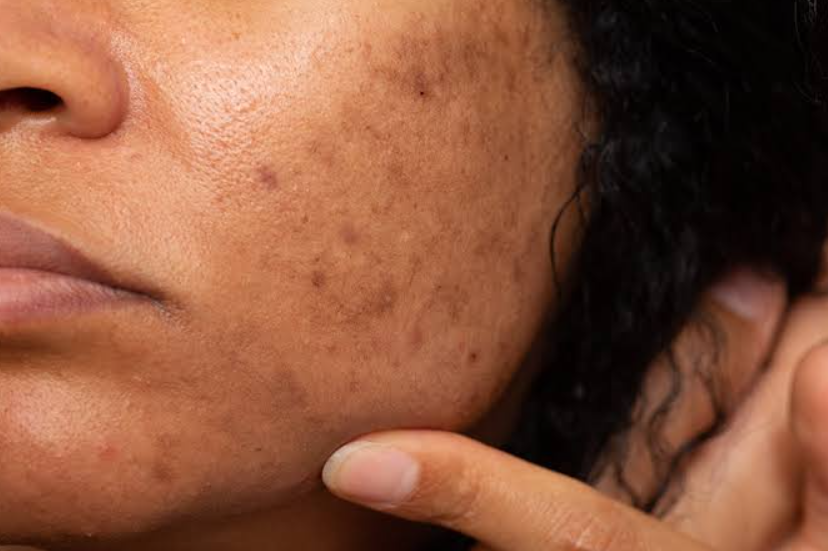
Dark spots on the face are a common skincare concern. They can appear after acne, sun exposure, hormonal changes, skin irritation, or inflammation. While dark spots are usually harmless, they can make the complexion look uneven and may take time to fade.
If you are wondering how to get rid of dark spots on face, the key is to follow a consistent skincare routine that protects the skin and supports a more even-looking complexion. Ingredients such as vitamin C, niacinamide, retinoids, and gentle exfoliating acids are commonly used in skincare products designed for uneven skin tone.
However, dark spots can have different causes, so the best approach depends on why they developed in the first place.
What Causes Dark Spots on the Face?
Dark spots can develop when the skin produces extra pigment after inflammation or irritation. Acne is one common cause. A pimple may disappear, but the area can remain darker for weeks or months.
Sun exposure is another major factor. Frequent exposure to ultraviolet radiation can contribute to pigmentation and make existing dark spots more noticeable.
Hormonal changes can also contribute to pigmentation, while irritation from skincare products may leave temporary discoloration.
Understanding the cause can help you choose a more suitable skincare routine.
1. Use Sunscreen Every Day
Daily sun protection is one of the most important steps when dealing with dark spots.
Sun exposure can make pigmentation more noticeable and may slow the process of achieving a more even-looking complexion.
Choose a broad-spectrum sunscreen with an appropriate SPF and apply it consistently during the daytime. Reapply according to the product’s directions, especially when spending extended time outdoors.
If you have oily or acne-prone skin, choose a lightweight, non-comedogenic formula that feels comfortable enough for daily use.
2. Try Vitamin C
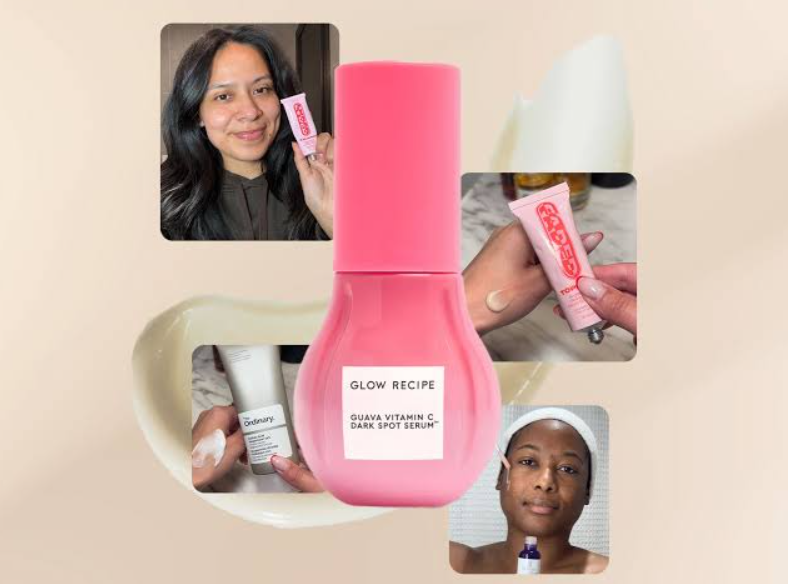
Vitamin C is a popular skincare ingredient for uneven skin tone. It is commonly found in serums designed to brighten the appearance of the complexion.
A vitamin C product may be useful for people dealing with post-acne marks and other forms of uneven pigmentation.
Start with a suitable formulation and introduce it gradually if you have sensitive skin. Avoid using too many active ingredients at the same time, particularly when starting a new routine.
3. Consider Niacinamide
Niacinamide, also known as vitamin B3, is another commonly used skincare ingredient.
It can be found in serums, moisturizers, and other products designed to support a more balanced and even-looking complexion.
Niacinamide is often suitable for different skin types, but individual reactions can vary. Introduce new products gradually and stop using them if they cause persistent irritation.
4. Use Retinoids Carefully
Retinoid-based skincare products are commonly used to support skin renewal and improve the appearance of uneven texture and tone.
Retinol is available in many over-the-counter skincare products, while stronger retinoids may require professional guidance.
Retinoids can cause dryness, peeling, or irritation, especially when first introduced. Start slowly and follow the product’s directions.
People who are pregnant or trying to become pregnant should speak with a healthcare professional before using retinoid products.
5. Try Gentle Exfoliation
Gentle exfoliation can help remove accumulated dead skin cells and support a smoother-looking complexion.
Ingredients such as alpha hydroxy acids and salicylic acid are commonly used in exfoliating skincare products.
However, more exfoliation does not necessarily mean faster results. Over-exfoliating can irritate the skin and potentially worsen discoloration.
Choose one suitable exfoliating product and use it according to its directions rather than combining multiple strong acids.
6. Keep Your Skin Moisturized
Moisturizer may not directly remove dark spots, but it plays an important role in maintaining a comfortable skincare routine.
Some ingredients used for pigmentation concerns can cause dryness or irritation. A suitable moisturizer can help support the skin barrier and reduce uncomfortable dryness.
Choose a lightweight moisturizer if you have oily skin or a richer formula if your skin is dry.
Dark Spot Treatment Guide
| Treatment | Main Purpose | Suitable For | Important Consideration |
|---|---|---|---|
| Sunscreen | Protects from UV exposure | All skin types | Use every day |
| Vitamin C | Supports brighter-looking skin | Uneven tone | Introduce gradually |
| Niacinamide | Supports even-looking complexion | Most skin types | Monitor sensitivity |
| Retinol | Supports skin renewal | Texture and pigmentation | Start slowly |
| AHA exfoliant | Removes surface buildup | Uneven texture | Avoid overuse |
| Salicylic acid | Supports clearer pores | Acne-prone skin | Can cause dryness |
| Moisturizer | Supports skin barrier | All skin types | Choose suitable texture |
Avoid Picking at Pimples
If your dark spots developed after acne, preventing new marks is just as important as treating existing ones.
Picking or squeezing pimples can increase inflammation and may contribute to longer-lasting discoloration.
Instead, use suitable acne products and allow breakouts to heal without unnecessary manipulation.
A consistent acne routine can help reduce the cycle of breakouts followed by dark marks.
Avoid Harsh Home Remedies
Many DIY treatments for dark spots are promoted online, but some can irritate the skin.
Ingredients such as lemon juice, baking soda, or undiluted essential oils can be harsh and may cause irritation when applied directly to the face.
Skin irritation can make pigmentation concerns more difficult to manage.
Instead of experimenting with kitchen ingredients, choose skincare products specifically formulated for facial use.
Choose Gentle Skincare Products
Harsh cleansers and irritating products can interfere with your skincare routine.
Use a gentle cleanser and avoid excessive scrubbing. Choose products that match your skin type and introduce new active ingredients one at a time.
If a product causes persistent burning, redness, itching, or peeling, stop using it and reassess your routine.
Be Patient With Dark Spots
One of the most important things to understand about pigmentation is that it usually does not disappear overnight.
Depending on the cause and depth of pigmentation, dark spots may take weeks or months to become less noticeable.
Consistency is more useful than constantly switching between products. Give a suitable routine enough time before deciding whether it is working.
Build a Simple Routine
A simple morning routine can include a gentle cleanser, vitamin C or niacinamide if suitable, moisturizer, and sunscreen.
In the evening, cleanse your face and apply an appropriate treatment product followed by moisturizer.
You do not need to use every ingredient mentioned in this article. Choose products according to your specific concerns and skin tolerance.
Using too many active ingredients together can increase irritation and make your routine unnecessarily complicated.
Dark Spots on Different Skin Types
People with oily skin may prefer lightweight serums and non-comedogenic moisturizers. Dry skin may need more moisturizing products to maintain comfort.
Sensitive skin should be especially careful with strong exfoliating acids and retinoids. Introduce active ingredients gradually and consider professional advice if your skin reacts easily.
Acne-prone skin should focus on both treating existing pigmentation and preventing new breakouts.
When to See a Dermatologist
Not every dark spot should be treated at home. If a spot is new, changing in size, shape, or color, bleeding, painful, or otherwise unusual, seek medical evaluation rather than assuming it is ordinary pigmentation.
A dermatologist can also help if dark spots do not improve with a consistent skincare routine.
Professional treatments may be considered for certain pigmentation concerns, depending on the underlying cause and your skin type.
Conclusion
Learning how to get rid of dark spots on face starts with identifying what may be causing the pigmentation and protecting your skin from further damage.
Daily sunscreen, gentle skincare, and carefully selected ingredients such as vitamin C, niacinamide, retinoids, and exfoliating acids can support a more even-looking complexion. Avoid harsh DIY remedies, excessive exfoliation, and picking at acne.
Most importantly, give your skincare routine time. Dark spots often fade gradually rather than overnight. If pigmentation persists, becomes unusual, or causes concern, professional evaluation can help determine the most appropriate approach.
FAQs
How can I get rid of dark spots on my face naturally?
Gentle skincare, daily sun protection, avoiding skin picking, and maintaining a healthy routine can support the gradual fading of some dark spots.
What is the best ingredient for dark spots?
Vitamin C, niacinamide, retinoids, and certain exfoliating acids are commonly used for uneven pigmentation. The most suitable ingredient depends on your skin and the cause of the dark spots.
Does sunscreen remove dark spots?
Sunscreen does not directly remove existing spots, but it helps protect the skin from UV exposure that can worsen pigmentation.
Can vitamin C help dark spots?
Vitamin C is commonly used in skincare products designed to improve the appearance of uneven skin tone and dark marks.
Does niacinamide help pigmentation?
Niacinamide is commonly included in products designed to support a more even-looking complexion and may be suitable for many skin types.
How long do dark spots take to fade?
The time varies depending on the cause, depth, and individual skin characteristics. Some marks may fade gradually over weeks or months.
Can lemon juice remove dark spots?
Lemon juice can irritate facial skin and is not a recommended DIY treatment for dark spots. A properly formulated skincare product is a safer approach.
Should I exfoliate dark spots?
Gentle exfoliation may support smoother-looking skin, but excessive exfoliation can cause irritation and potentially worsen discoloration. Use exfoliating products according to their directions.