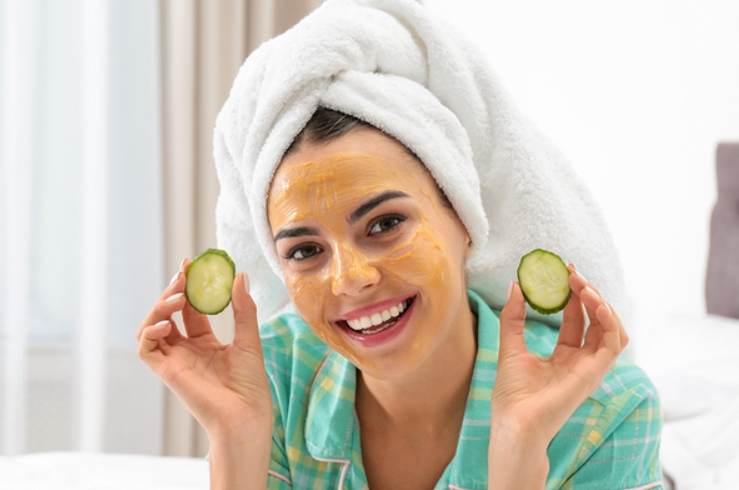
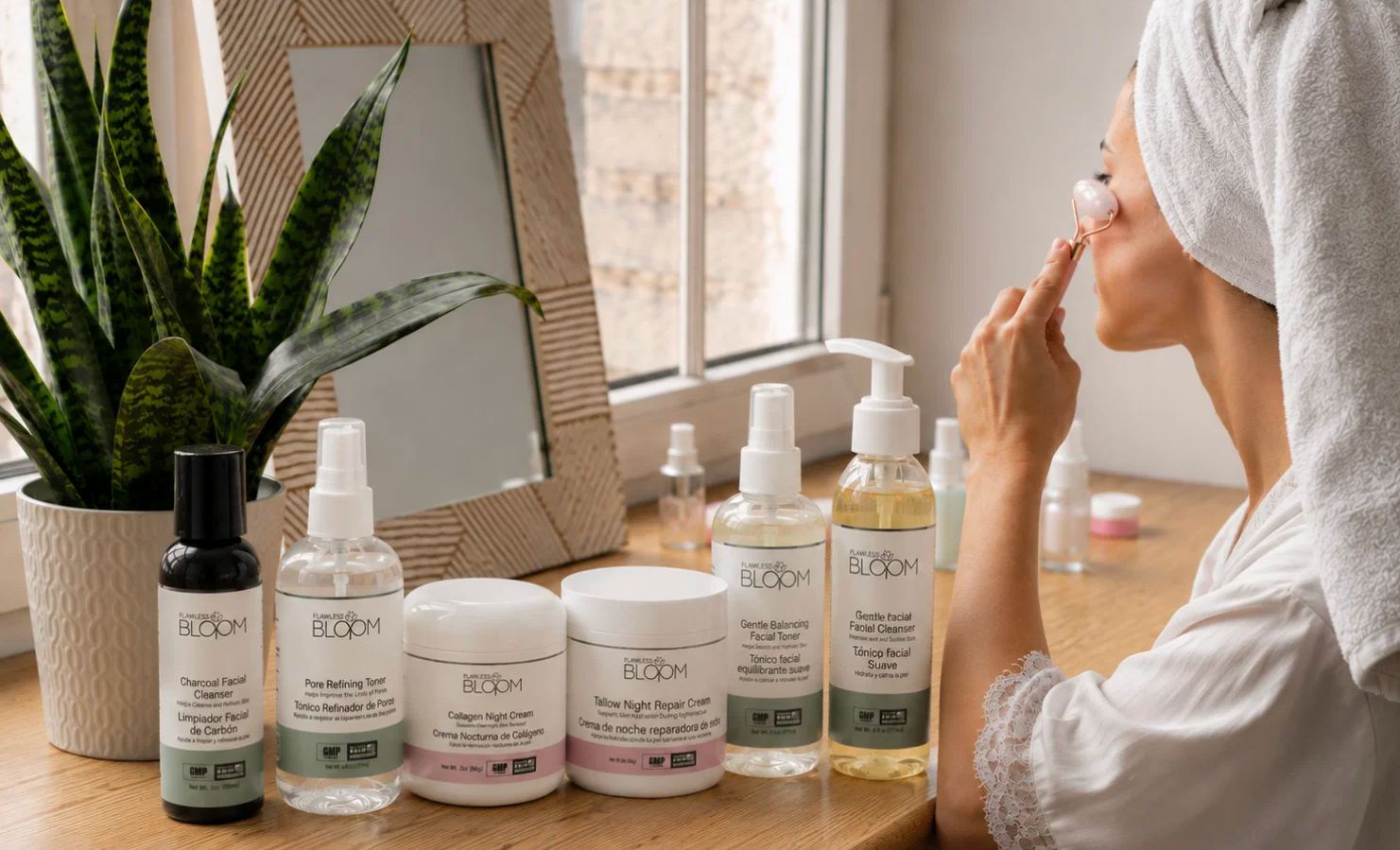
Your skin goes through a lot during the day. Makeup, sunscreen, sweat, excess oil, pollution, and environmental stress can leave your complexion looking tired and dull. A consistent night skincare routine for glowing skin can help remove buildup, maintain hydration, and support a smoother, healthier-looking complexion.
The good news is that you do not need a complicated nighttime routine. A few carefully chosen products can be enough to keep your skin clean, hydrated, and comfortable.
The ideal routine depends on your skin type and concerns, but the basic steps remain similar: cleanse, treat, moisturize, and let your skin rest overnight.
Why Is a Night Skincare Routine Important?
Nighttime is a convenient opportunity to focus on skincare because you are no longer exposed to makeup, sweat, sunlight, and other daytime factors.
A good nighttime routine can help:
- Remove dirt, oil, sunscreen, and makeup
- Maintain skin hydration
- Support the skin barrier
- Improve the appearance of dull skin
- Address specific concerns such as acne or uneven texture
- Keep the skin feeling soft and comfortable
Consistency is more important than having a large number of products.
Step 1: Remove Makeup and Sunscreen
If you wear makeup or sunscreen during the day, start your nighttime routine by removing them thoroughly.
You can use a gentle cleansing balm, micellar water, or another suitable makeup remover before cleansing your face.
Avoid rubbing the skin aggressively, especially around the eyes. Gentle removal can help reduce unnecessary irritation.
Even if you do not wear makeup, removing sunscreen and daily buildup before bed is an important part of a clean nighttime routine.
Step 2: Cleanse Your Face
After removing makeup, cleanse your face with a gentle cleanser.
A cleanser helps remove remaining oil, sweat, dirt, and product residue.
Choose your cleanser according to your skin type:
| Skin Type | Suitable Cleanser |
|---|---|
| Dry skin | Creamy or hydrating cleanser |
| Oily skin | Gentle gel cleanser |
| Combination skin | Mild balancing cleanser |
| Sensitive skin | Fragrance-free gentle cleanser |
| Acne-prone skin | Gentle or suitable acne cleanser |
Avoid using very hot water or scrubbing your face aggressively. Your skin should feel clean but not painfully tight after cleansing.
Step 3: Use a Toner or Essence If Needed
A toner or essence is optional rather than essential.
If you enjoy using one, choose a hydrating formula that makes your skin feel comfortable.
Avoid adding a toner simply because you think every skincare routine requires one. If your cleanser, moisturizer, and treatment already work well, you can skip this step.
If your skin is sensitive, avoid heavily fragranced or overly harsh toners.
Step 4: Apply a Targeted Serum
A serum can be useful when you want to address a specific skincare concern.
Choose one based on your main goal rather than using several different serums at once.
| Skin Concern | Ingredients to Consider |
|---|---|
| Dry or dehydrated skin | Hyaluronic acid, glycerin |
| Dull skin | Vitamin C derivatives, niacinamide |
| Uneven skin tone | Niacinamide, azelaic acid |
| Clogged pores | Salicylic acid |
| Fine lines | Retinoids |
| Sensitive skin | Panthenol, soothing ingredients |
If you are new to active ingredients, introduce one product at a time.
Using several powerful treatments together can cause dryness or irritation.
Step 5: Apply an Acne Treatment if Needed
If acne is one of your main concerns, nighttime can be a convenient time to use an appropriate acne treatment.
Ingredients such as salicylic acid, benzoyl peroxide, and retinoid-based products are commonly used for acne.
Do not automatically combine multiple acne treatments. Start slowly and follow the directions for your chosen product.
If your skin becomes excessively dry, flaky, or irritated, simplify your routine.
Step 6: Moisturize Your Skin
Moisturizer is one of the most important steps in a nighttime skincare routine.
Even oily skin needs hydration. Choose a moisturizer based on your skin type and concerns.
For dry skin, a richer cream may be more comfortable. Oily skin may prefer a lightweight gel or lotion.
Ingredients such as ceramides, glycerin, hyaluronic acid, and squalane can provide useful hydration and support a comfortable skin barrier.
Step 7: Use an Eye Cream Only If You Want To
Eye cream is optional.
The skin around your eyes can be more delicate, but you do not necessarily need a separate product for this area.
A gentle moisturizer may be sufficient for some people. If you choose an eye cream, look for a product that is specifically formulated for the eye area.
Avoid getting skincare products directly into your eyes.
Best Night Skincare Routine for Glowing Skin
If you want a simple routine, follow these steps:
1. Remove makeup and sunscreen
2. Cleanse
3. Apply toner or essence if desired
4. Use a targeted serum
5. Apply acne treatment if needed
6. Moisturize
You do not have to use every step every night. Your routine should be adjusted according to your skin type and the products you use.
Night Routine for Different Skin Types
Dry Skin
Focus on hydration and barrier support.
Cleanser → Hydrating serum → Rich moisturizer
Look for ingredients such as glycerin, ceramides, hyaluronic acid, and squalane.
Oily Skin
Keep your routine lightweight.
Cleanser → Lightweight treatment → Gel moisturizer
Avoid using extremely harsh products simply because your skin is oily.
Combination Skin
Treat different areas according to their needs.
Cleanser → Targeted serum → Lightweight moisturizer
You can apply a richer moisturizer to dry areas if necessary.
Sensitive Skin
Keep the routine as simple as possible.
Gentle cleanser → Soothing moisturizer
Introduce active ingredients slowly and avoid unnecessary fragrance or harsh exfoliation if your skin reacts easily.
Acne-Prone Skin
Focus on gentle cleansing and targeted acne care.
Cleanser → Acne treatment → Non-comedogenic moisturizer
Avoid picking or squeezing pimples.
Natural Ingredients for Nighttime Glow
If you prefer skincare containing natural ingredients, several options can provide hydration and soothing benefits.
| Natural Ingredient | Potential Benefit |
|---|---|
| Aloe vera | Hydration and soothing |
| Green tea | Antioxidant support |
| Oatmeal | Comfort for dry or sensitive skin |
| Jojoba oil | Lightweight moisture |
| Honey | Helps support skin hydration |
| Cucumber | Refreshing and hydrating feel |
Natural ingredients can still cause irritation, so test new products carefully.
Night Skincare Mistakes to Avoid
A nighttime routine can become less effective if you make common mistakes.
Sleeping With Makeup On
Leaving makeup on overnight can contribute to clogged pores and skin irritation.
Using Too Many Active Ingredients
Combining multiple strong treatments can make your skin dry and irritated.
Skipping Moisturizer
Even oily or acne-prone skin benefits from appropriate hydration.
Over-Exfoliating
Exfoliating too often can damage your skin’s comfort and make it look irritated rather than glowing.
Picking Your Skin
Touching and squeezing pimples can increase irritation and leave visible marks.
Changing Products Too Often
Give your routine enough time before deciding whether a product is suitable.
How to Get Better Results From Your Night Routine
A good skincare routine works best when combined with healthy habits.
Get enough sleep, maintain a balanced diet, stay hydrated, and manage stress as much as possible.
Keep your pillowcases clean and avoid constantly touching your face.
Most importantly, be consistent. A simple routine used regularly is generally more useful than an elaborate routine that you only follow occasionally.
How Long Does It Take to See Glowing Skin?
Hydration can sometimes make skin look more comfortable and refreshed relatively quickly. However, concerns such as acne, uneven tone, pigmentation, and texture can take considerably longer to improve.
Do not expect dramatic results after one night.
Give your routine time and avoid changing several products at once. This makes it easier to understand which products work well for your skin.
FAQs About Night Skincare Routine for Glowing Skin
1. What is the best night skincare routine for glowing skin?
A simple routine can include makeup and sunscreen removal, gentle cleansing, a suitable treatment or serum, and moisturizer. You do not need numerous products to maintain healthy-looking skin.
2. What should I apply first at night?
Start by removing makeup and sunscreen, then cleanse your face. Follow with lighter products such as serums and finish with moisturizer.
3. Can I use vitamin C at night?
Some vitamin C products can be used at night. Follow the instructions for your specific product and introduce it gradually if you have sensitive skin.
4. Should I moisturize before bed?
Yes. Applying moisturizer at night helps maintain hydration and can leave the skin feeling softer and more comfortable.
5. Is serum necessary in a nighttime routine?
No. Serum is optional. Add one only if you have a specific concern you want to address.
6. Can I use retinol every night?
Not necessarily. Beginners often need to introduce retinoid products gradually. Follow the product instructions and reduce frequency if your skin becomes irritated.
7. Should I exfoliate at night?
You can exfoliate at night if an exfoliating product is appropriate for your skin, but you do not need to exfoliate every night. Over-exfoliation can cause irritation.
8. How can I make my skin glow naturally at night?
Keep your skin clean and hydrated, use a suitable moisturizer, get enough sleep, and maintain a consistent skincare routine. Avoid harsh DIY treatments that can irritate the skin.
9. Can oily skin use a nighttime moisturizer?
Yes. Oily skin still needs hydration. Choose a lightweight, non-comedogenic moisturizer that does not feel heavy.
10. How long should I leave skincare products on at night?
You generally do not need to wash off leave-on skincare products unless the product specifically says otherwise. Apply your routine and allow the products to absorb before going to bed.
Final Thoughts
A night skincare routine for glowing skin does not have to be complicated. Start by removing makeup and sunscreen, cleanse gently, apply a targeted treatment if necessary, and finish with a moisturizer suited to your skin type.
The most important part is consistency. Avoid using too many products or harsh treatments in an attempt to achieve faster results. Give your skin time to adjust and focus on keeping it clean, hydrated, and comfortable.
With a simple nighttime routine and healthy daily habits, you can support a smoother, softer, and naturally radiant-looking complexion over time.