Taking care of your skin does not have to become complicated as you get older. If you are new to anti-aging skincare, the best approach is to start with a few simple habits that support healthy, hydrated, and protected skin.
The best anti-aging skincare routine for beginners usually focuses on three important areas: daily sun protection, consistent moisturization, and carefully introducing targeted ingredients. You do not need a shelf full of expensive products to create an effective routine.
Fine lines, uneven skin tone, dryness, and changes in skin texture are normal parts of aging. A consistent skincare routine can help maintain a healthier-looking complexion and support your skin over time.
What Is Anti-Aging Skincare?
Anti-aging skincare refers to products and habits designed to help maintain the appearance of youthful, healthy-looking skin.
Common concerns include:
- Fine lines
- Uneven skin tone
- Dryness
- Dullness
- Loss of skin firmness
- Rough texture
- Dark spots
- Enlarged-looking pores
The goal is not to stop the natural aging process. Instead, anti-aging skincare focuses on protecting the skin and improving the appearance of common signs of aging.
Step 1: Start With a Gentle Cleanser
A gentle cleanser should be the foundation of your routine.
Cleansing helps remove sweat, excess oil, sunscreen, makeup, and daily buildup without unnecessarily drying the skin.
Choose a cleanser according to your skin type:
| Skin Type | Suitable Cleanser |
|---|---|
| Dry | Cream or hydrating cleanser |
| Oily | Gentle gel cleanser |
| Combination | Mild balancing cleanser |
| Sensitive | Fragrance-free gentle cleanser |
| Normal | Lightweight gentle cleanser |
Avoid using extremely harsh cleansers simply because you are concerned about aging. Excessive dryness can make the skin look rough and uncomfortable.
Step 2: Use a Moisturizer Every Day
Hydration is an important part of an anti-aging skincare routine.
As skin becomes drier, fine lines can sometimes appear more noticeable. A good moisturizer can help keep the skin soft and hydrated.
Look for ingredients such as:
- Ceramides
- Glycerin
- Hyaluronic acid
- Squalane
- Shea butter
- Panthenol
Choose a lightweight moisturizer if you have oily skin and a richer cream if your skin is dry.
Step 3: Make Sunscreen Your Most Important Anti-Aging Product
Daily sun protection is one of the most important habits for maintaining healthy-looking skin.
Use a broad-spectrum sunscreen with SPF 30 or higher during the day.
Regular sun exposure can contribute to:
- Fine lines
- Uneven skin tone
- Dark spots
- Rough texture
- Premature-looking skin aging
Apply sunscreen as the final step of your morning skincare routine.
If you spend extended periods outdoors, reapply according to the product’s instructions and your level of sun exposure.
Step 4: Consider Adding Vitamin C
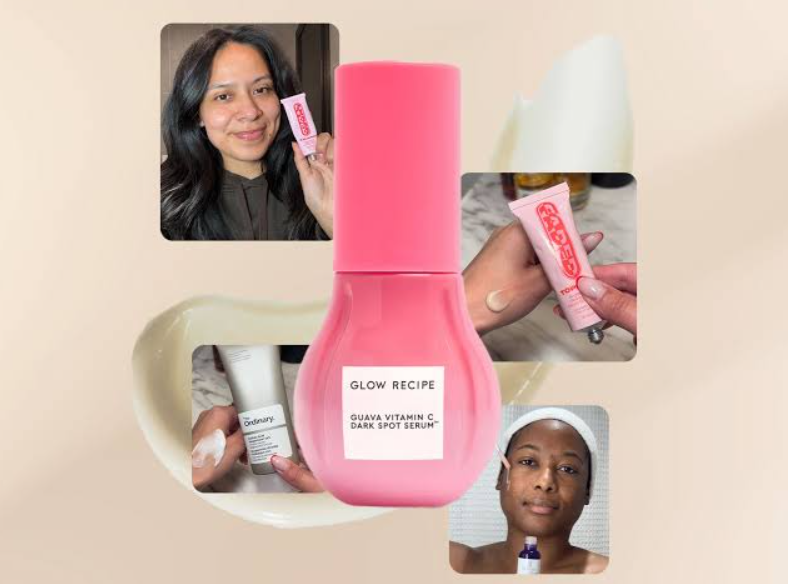
Vitamin C is a popular ingredient in anti-aging skincare routines.
It is commonly used to support a brighter-looking complexion and improve the appearance of uneven skin tone. Vitamin C also provides antioxidant support.
If you are a beginner, start with a simple vitamin C product rather than combining several active ingredients.
A basic morning routine can look like:
Cleanser → Vitamin C → Moisturizer → Sunscreen
If vitamin C causes irritation, reduce frequency or choose a gentler formula.
Step 5: Introduce Retinoids Gradually
Retinoids are among the most well-known ingredients used in anti-aging skincare.
They are commonly used to improve the appearance of fine lines, uneven texture, and other signs of skin aging.
However, beginners should not rush into using a strong retinoid every night.
Start with a suitable low-strength product and use it gradually. Depending on your skin’s tolerance, you may begin with a few applications per week.
A nighttime routine could be:
Cleanser → Retinoid → Moisturizer
If your skin becomes dry or irritated, reduce the frequency and focus on hydration.
Step 6: Add Exfoliation Carefully
Exfoliation can help improve the appearance of dull or rough skin.
Common exfoliating ingredients include:
- Glycolic acid
- Lactic acid
- Salicylic acid
- Mandelic acid
However, exfoliation is not something you need to do every day.
Using too many active ingredients can cause irritation and dryness, particularly when you are also using a retinoid.
If you use a retinoid, avoid immediately adding multiple strong exfoliants. Introduce products one at a time.
Best Anti-Aging Ingredients for Beginners
Different ingredients target different skincare concerns.
| Ingredient | Main Purpose | Beginner Consideration |
|---|---|---|
| Sunscreen | Protects against UV exposure | Use daily |
| Retinoid | Supports smoother-looking skin | Introduce gradually |
| Vitamin C | Brightens and provides antioxidant support | Start gently |
| Hyaluronic acid | Supports hydration | Generally easy to add |
| Ceramides | Supports skin barrier | Good for dry skin |
| Niacinamide | Supports balanced-looking skin | Versatile ingredient |
| Peptides | Supports skin-conditioning | Optional |
You do not need to use all of these ingredients. Choose products based on your main concerns.
Best Morning Anti-Aging Routine
A beginner-friendly morning routine can be very simple.
1. Cleanser
Use a gentle cleanser to remove overnight buildup.
2. Vitamin C or Other Serum
If you want to target dullness or uneven tone, apply a suitable serum.
3. Moisturizer
Use a moisturizer that matches your skin type.
4. Sunscreen
Finish with broad-spectrum SPF 30 or higher.
Your morning routine does not need to contain several serums.
Best Night Anti-Aging Routine
Nighttime is a good opportunity to use targeted treatments.
Basic Routine
Cleanser → Moisturizer
With Retinoid
Cleanser → Retinoid → Moisturizer
If your skin is sensitive, you can use the moisturizer before and after the retinoid to make the routine more comfortable.
This approach can be particularly useful for beginners who are worried about dryness.
Anti-Aging Routine for Different Skin Types
Dry Skin
Focus on hydration and barrier support.
Gentle cleanser → Hydrating serum → Rich moisturizer → Sunscreen
At night, consider a richer moisturizer and introduce retinoids slowly.
Oily Skin
Choose lightweight, non-comedogenic products.
Gel cleanser → Lightweight serum → Gel moisturizer → Sunscreen
Avoid assuming that oily skin does not need moisturizer.
Combination Skin
Use lightweight products overall and add extra moisturizer to dry areas when needed.
Gentle cleanser → Serum → Lightweight moisturizer → Sunscreen
Sensitive Skin
Keep your routine simple and introduce active ingredients slowly.
Gentle cleanser → Moisturizer → Sunscreen
Once your skin is comfortable, you can gradually consider a suitable anti-aging treatment.
Common Anti-Aging Skincare Mistakes
Many beginners make the mistake of trying too many products at once.
Using Too Many Actives
Combining retinoids, exfoliating acids, vitamin C, and other treatments immediately can increase irritation.
Skipping Sunscreen
No anti-aging routine is complete without consistent sun protection.
Starting Retinoids Too Frequently
Using a retinoid every night from the beginning can cause dryness and irritation for some people.
Over-Exfoliating
More exfoliation does not necessarily mean smoother skin.
Buying Expensive Products
Price does not automatically determine how effective a skincare product will be.
Expecting Overnight Results
Skin changes take time. Consistency matters more than constantly switching products.
How Long Does Anti-Aging Skincare Take to Work?
The timeline depends on the product and the concern you are targeting.
Moisturizers can make skin feel softer and more hydrated relatively quickly. However, improvements in fine lines, texture, pigmentation, and other concerns generally require consistent use over a longer period.
Do not judge an anti-aging routine after just a few days.
Give your products time to work and avoid changing your entire routine every week.
Can Beginners Use Retinol?
Retinol and other retinoids can be introduced by beginners, but they should be used carefully.
Start with a suitable strength and use it gradually. Avoid applying too much product, and moisturize regularly to help manage dryness.
If you experience significant irritation, stop or reduce use and allow your skin to recover.
People who are pregnant or trying to become pregnant should seek appropriate medical advice before using retinoid products.
Affordable Anti-Aging Skincare Routine
You do not need a luxury skincare collection.
A simple routine can include:
- Gentle cleanser
- Basic moisturizer
- SPF 30+ sunscreen
- One targeted serum or retinoid
Start with the essentials before spending money on additional products.
If your budget is limited, prioritize sunscreen and moisturizer before adding multiple treatments.
FAQs About Anti-Aging Skincare for Beginners
1. What is the best anti-aging skincare routine for beginners?
Start with a gentle cleanser, moisturizer, and daily sunscreen. Once your skin is comfortable with these basics, gradually introduce a targeted ingredient such as vitamin C or a retinoid.
2. What is the most important anti-aging skincare product?
Daily sunscreen is one of the most important products for protecting the skin from UV exposure. Choose broad-spectrum SPF 30 or higher.
3. At what age should I start anti-aging skincare?
There is no specific age when everyone needs to start an anti-aging routine. Basic skincare, moisturizing, and sun protection can be useful at any age. Targeted treatments can be added according to individual concerns.
4. Is retinol good for beginners?
Retinol can be included in a beginner routine, but it should be introduced gradually. Start with a suitable product and use it less frequently until your skin adjusts.
5. Can I use vitamin C and retinol together?
They can both be part of the same overall routine, but beginners may find it easier to use vitamin C in the morning and retinoid products at night. This can also make it easier to identify which product is causing irritation if a reaction occurs.
6. Do I need an eye cream for anti-aging?
No. Eye cream is optional. A suitable moisturizer may be enough for some people, while others may prefer a dedicated eye product.
7. Can moisturizer reduce fine lines?
Moisturizer can temporarily make skin look smoother and more hydrated, which may make fine lines appear less noticeable. It does not permanently remove wrinkles.
8. How often should beginners exfoliate?
Start slowly and follow the instructions for your chosen product. Avoid excessive exfoliation, especially if you are also using a retinoid.
9. Can natural ingredients help with skin aging?
Ingredients such as green tea, aloe vera, and plant-based oils can provide hydration or antioxidant support. However, natural ingredients are not automatically better, and some can irritate sensitive skin.
10. How long does it take to see anti-aging results?
Some hydration benefits may appear quickly, while improvements in texture, pigmentation, and fine lines generally take longer. Consistent use is important.
Final Thoughts
The best anti-aging skincare routine for beginners is simple, consistent, and focused on protecting your skin. Start with a gentle cleanser, moisturizer, and broad-spectrum sunscreen. Once these basics are established, gradually add targeted ingredients such as vitamin C or a retinoid.
Avoid using multiple strong products at once. Your skin does not need an overwhelming routine to look healthy and well cared for.
Most importantly, be patient. Anti-aging skincare is about long-term skin care rather than instant results. With daily sun protection, adequate hydration, and carefully chosen treatments, you can maintain a smoother, healthier-looking complexion over time.